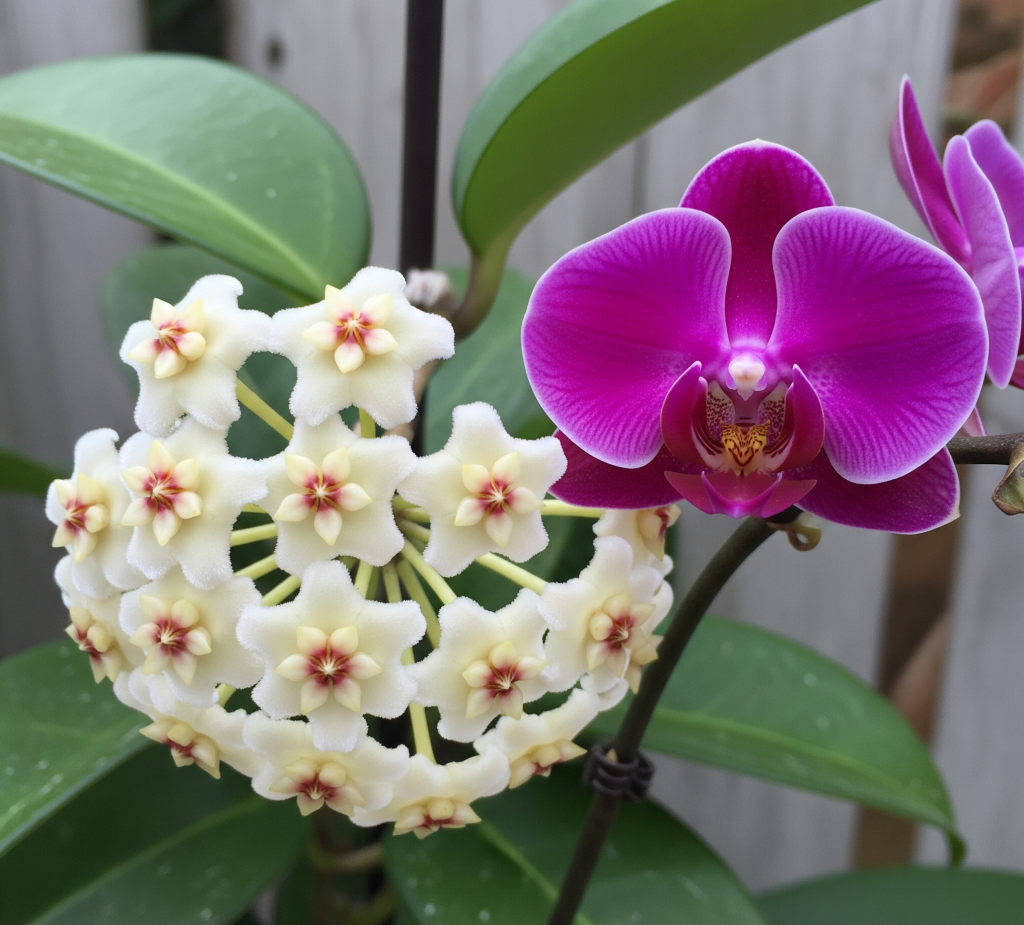
Walk into almost any plant-lover’s home, and you’re likely to spot a captivating orchid, a trailing hoya, or perhaps a striking tillandsia. These aren’t just pretty faces; they’re members of a fascinating group of plants known as epiphytes. Unlike their terrestrial cousins, epiphytes don’t grow in soil. Instead, they perch gracefully on other plants, trees, or even rocks, drawing their sustenance from the air, rain, and decaying organic matter. If you’ve ever been enchanted by these aerial wonders, you’re in for a treat as we delve into their unique world, how to care for them, why they’ve captivated so many, the secrets to coaxing them into glorious bloom, and how to tackle common challenges.
How Do Epiphytes Grow? The Art of Living Alof
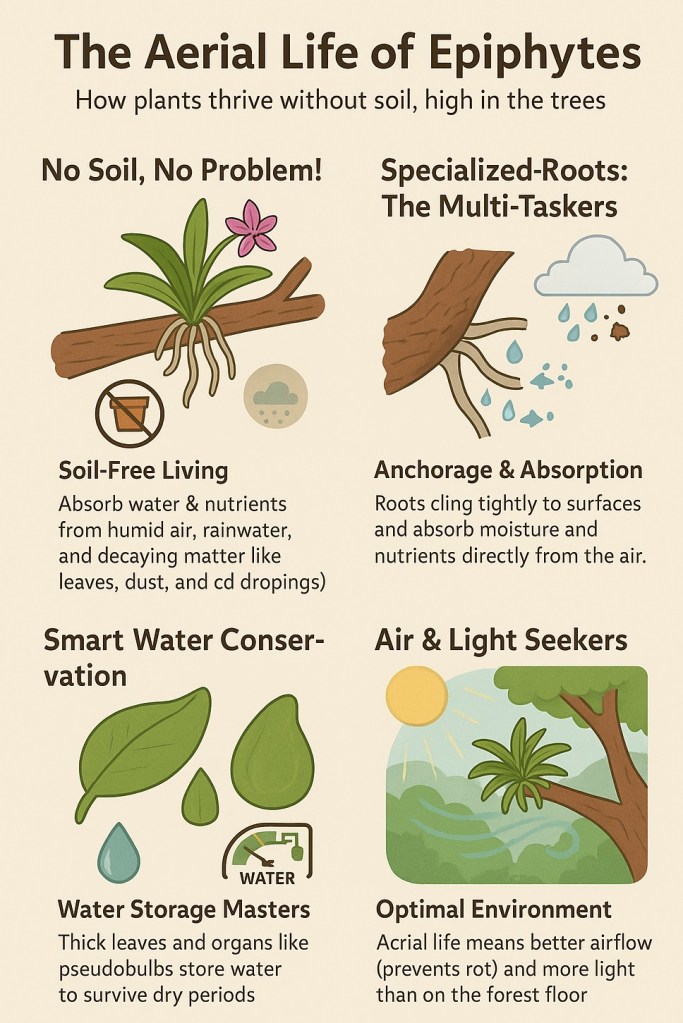
Ever wondered how a plant can thrive without a single speck of soil? Prepare to be amazed!
The term “epiphyte” literally means “upon plant,” and it perfectly describes their lifestyle. They are not parasitic; they simply use their host for physical support, much like a bird uses a branch for a nest. Their adaptations for this aerial existence are truly remarkable:
- No Soil Dependence: At the heart of their strategy is their complete independence from soil. Epiphytes absorb all their water and nutrients directly from the humid air, rainwater, and organic debris that collects around them (like decaying leaves, insect droppings, and dust).
- Specialized Roots for Anchorage and Absorption: Forget the typical soil-anchoring roots. Epiphytes possess specialized roots designed for clinging firmly to surfaces like tree bark or rocks. Many also have unique root structures that efficiently absorb moisture and nutrients from the atmosphere.
- Water Conservation: Without consistent access to soil moisture, epiphytes have evolved clever ways to gather and store water. Many have thick, succulent leaves or specialized storage organs to tide them over during dry periods.
- Air Circulation and Light-Seeking: Their aerial habitat means constant exposure to circulating air, which is crucial for preventing rot and disease. Growing aloft also allows them to access higher light levels than they would on the forest floor.
Caring for Epiphytes in Your Home: Mimicking Nature’s Embrace
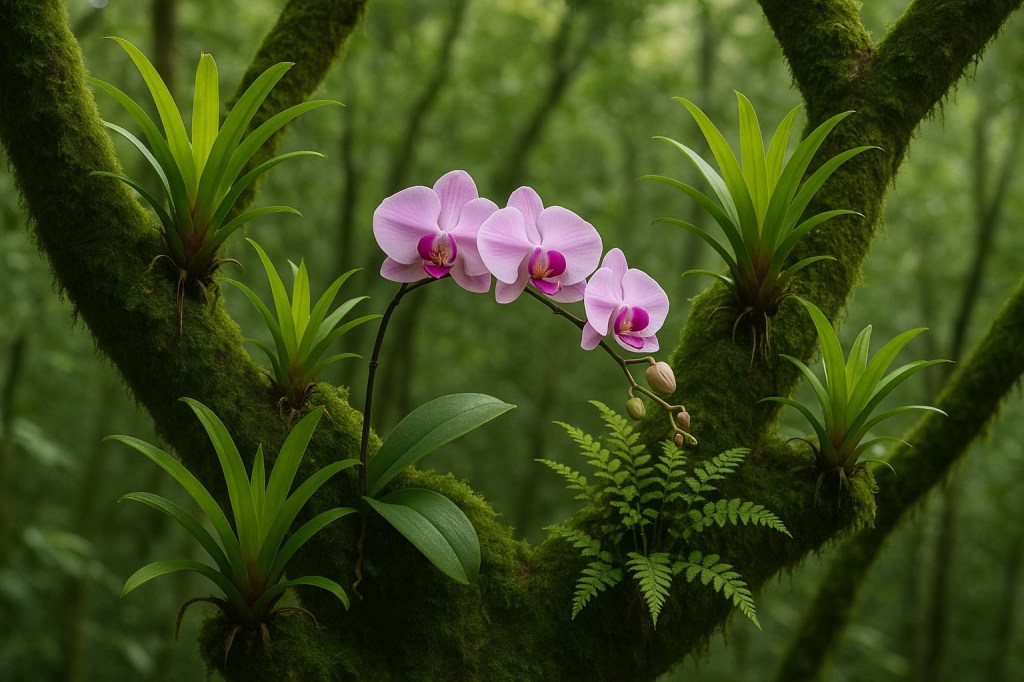
Ready to bring an aerial wonder into your space? Let’s talk about creating the perfect home for your new epiphyte!
Bringing an epiphyte into your home means recreating a sliver of their natural habitat. The key is understanding their aversion to traditional potting soil and their love for air circulation and humidity.
- Potting Medium: This is perhaps the most crucial aspect of epiphyte care. Never pot an epiphyte in regular potting soil. It will suffocate their roots and lead to rot. Instead, use a specialized, chunky, and well-draining epiphyte mix. Common components include:
- Orchid Bark: The most common and excellent choice for many orchids.
- Sphagnum Moss: Great for retaining moisture, but use sparingly and ensure good air circulation to prevent rot.
- Perlite, Charcoal, Lava Rock: These add drainage and aeration.
- Tree Fern Fiber: Another good option for air circulation.
- For Hoyas: While they appreciate good drainage, hoyas can often tolerate a slightly finer, yet still airy, mix than some orchids. A popular choice is a blend of orchid bark, perlite, and a small amount of coco coir or peat moss to retain a bit more moisture without becoming waterlogged. Some growers even do well with a standard succulent/cactus mix amended with extra perlite.
- Watering: The goal is to water thoroughly, then allow the potting medium to dry out almost completely before watering again.
- Drench and Drain: Water until it flows freely from the drainage holes.
- Frequency: This depends on your environment, the potting medium, and the plant type. For most orchids, it might be once a week or every 10 days. For air plants, misting several times a week or a weekly soak is common.
- Humidity: Epiphytes thrive in high humidity. Consider using a pebble tray, a humidifier, or grouping plants together to create a more humid microclimate.
- Light: While specific needs vary, most epiphytes prefer bright, indirect light. Direct, harsh sun can scorch their leaves. A good rule of thumb is a spot that receives plenty of ambient light but avoids direct midday sun.
- Fertilization: Since they don’t get nutrients from soil, regular, dilute fertilization is essential. Use a balanced, water-soluble fertilizer formulated for orchids or epiphytes, diluted to half or even quarter strength, and apply every other watering during the growing season.
- Air Circulation: Crucial for preventing fungal issues and root rot. Ensure your chosen location has good airflow.
Why Are Epiphytes So Popular? More Than Just Pretty Flowers
What’s the secret behind the widespread obsession with these unique plants? Let’s uncover their allure!
The surge in epiphyte popularity isn’t just a fleeting trend. Their appeal lies in a combination of factors:
- Exotic Beauty: Many epiphytes, especially orchids, boast breathtakingly beautiful and often intricate blooms that add an immediate touch of elegance and exoticism to any space.
- Unique Growth Habit: Their ability to grow without soil is fascinating and offers diverse display opportunities. You can mount them on cork bark, hang them in kokedama balls, or simply enjoy them in specialized pots.
- Relatively Low Maintenance (Once Understood): While their care differs from traditional potted plants, once you understand their specific needs, many epiphytes are surprisingly resilient and require less frequent watering than many soil-bound plants.
- Long-Lasting Blooms: Many popular epiphytes, like Phalaenopsis orchids, can hold their blooms for weeks, even months, providing extended enjoyment.
- Space-Saving: For those with limited space, epiphytes offer a vertical gardening solution, allowing you to bring greenery into your home without occupying precious floor space.
Why Hoyas Are Epiphytes: Embracing the Aerial Life
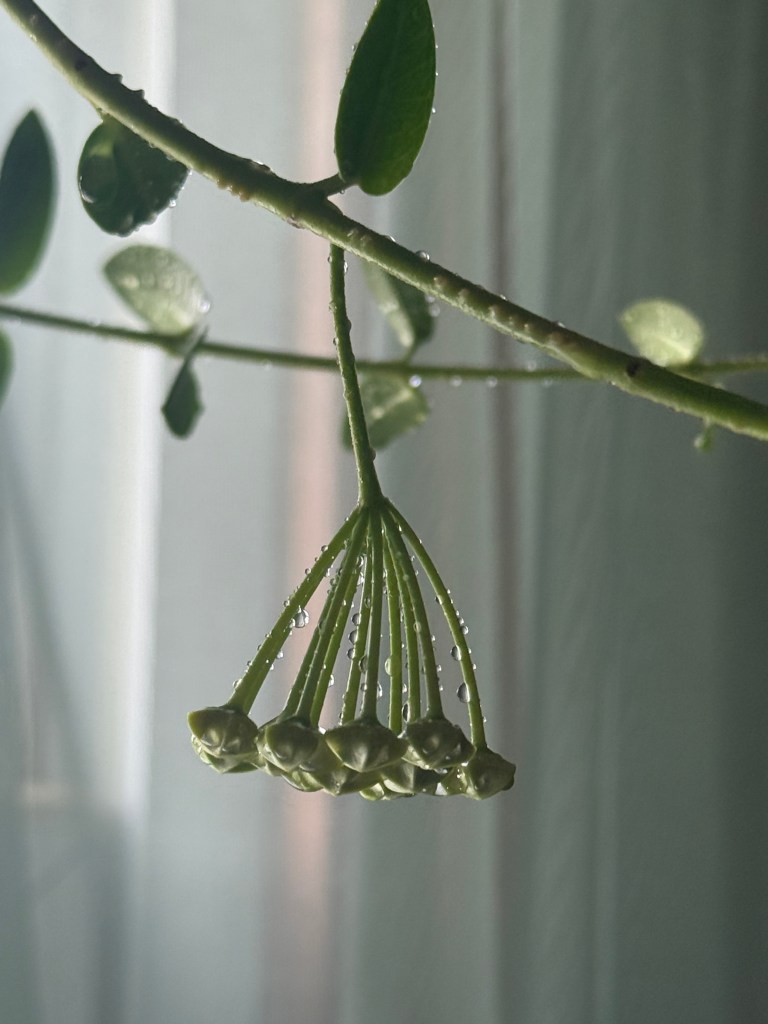
Have you ever noticed your Hoya plant sending out those intriguing aerial roots? That’s a classic epiphyte move!
Hoya plants, in their native tropical and subtropical habitats across Asia, Australia, and the Pacific Islands, naturally grow attached to the surfaces of other plants, typically trees, but also sometimes on rocks or cliffs. They don’t root in the ground like terrestrial plants. Instead, their growth strategy is all about securing a foothold and accessing resources available in the canopy or on exposed surfaces.
Here’s how they specifically embody the epiphytic lifestyle:
- Clinging Aerial Roots: Hoyas produce specialized aerial roots that serve primarily for anchorage. These roots grip onto the bark of trees or other supports, allowing the plant to climb upwards towards light or trail downwards. While these roots can absorb some moisture and nutrients, their primary function isn’t drawing water from a deep soil reservoir.
- Thick, Waxy, Succulent Leaves: These leaves are a hallmark of many hoya species and are crucial for their survival as epiphytes. Their succulent quality allows them to store water reserves, helping them cope with periods of dryness between rainfall or high humidity. The waxy coating further reduces water loss through transpiration.
- Climbing or Trailing Growth Habit: Without the need to root in the ground, hoyas naturally climb upwards using their aerial roots for support or trail downwards from their perch. This growth habit allows them to maximize their exposure to sunlight in the often-shaded understory of forests.
Why Orchids Are Epiphytes: Masters of the Air
When you picture an orchid, do you ever stop to think about how it naturally grows? Most aren’t in soil at all!
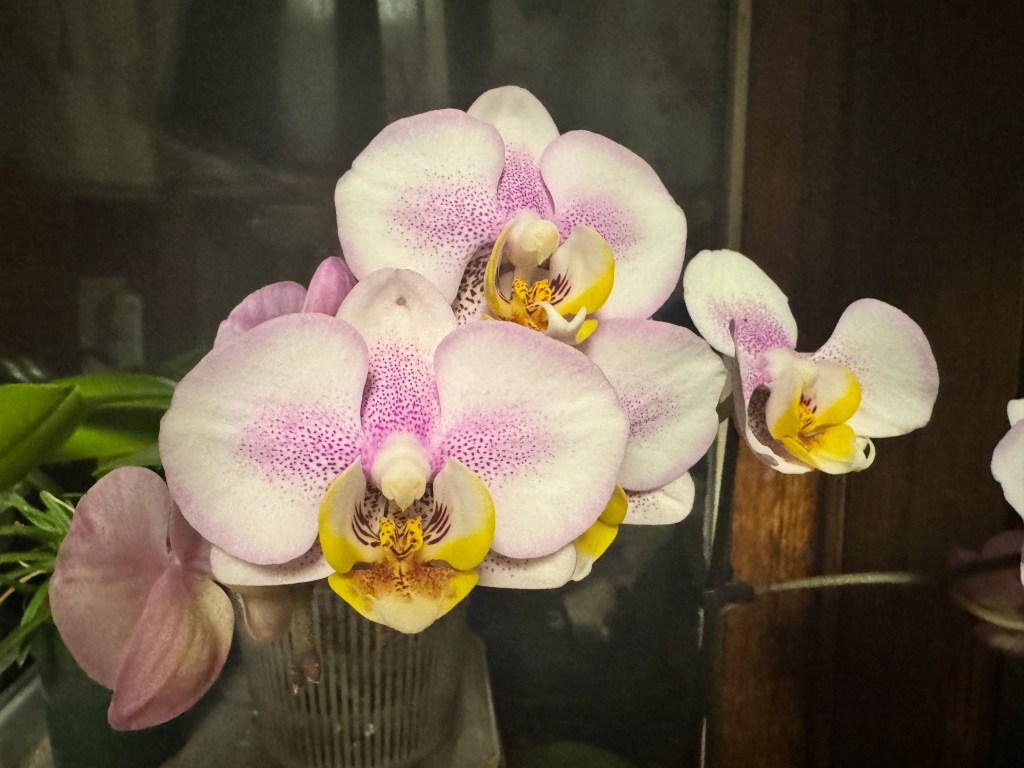
When most people think of an epiphyte, an orchid is often the first plant that comes to mind. This isn’t surprising, as the vast majority of orchid species are epiphytic, thriving in the upper reaches of rainforests and other humid environments around the globe. Their exquisite beauty and complex structures are perfectly adapted to a life lived aloft.
Here’s a detailed look at the specific characteristics that define orchids as epiphytes:
- Velamen Roots: The Spongy Lifeline: This is perhaps the most distinctive and crucial adaptation of epiphytic orchids. Their roots are typically thick, fleshy, and often appear silvery or green. The outer layer of these roots is covered by a specialized, multi-layered spongy tissue called the velamen.
- The velamen acts like a highly efficient sponge, rapidly absorbing moisture from the air, dew, and rainwater. When wet, the velamen becomes transparent, allowing the underlying green photosynthetic cells of the root to capture light.
- Beyond water absorption, these roots are crucial for physically attaching the orchid to tree bark, branches, or rocks, providing essential stability against winds and gravity.
- Pseudobulbs for Water Storage: Many epiphytic orchids, such as Cattleyas, Oncidiums, and Dendrobiums, have evolved swollen stems called pseudobulbs. These structures are vital for storing significant amounts of water and nutrients, allowing the orchid to survive extended dry periods. Even orchids without prominent pseudobulbs, like many Phalaenopsis, have thick, leathery leaves that serve a similar water-storage function.
Common Problems and Troubleshooting Tips for Epiphytes
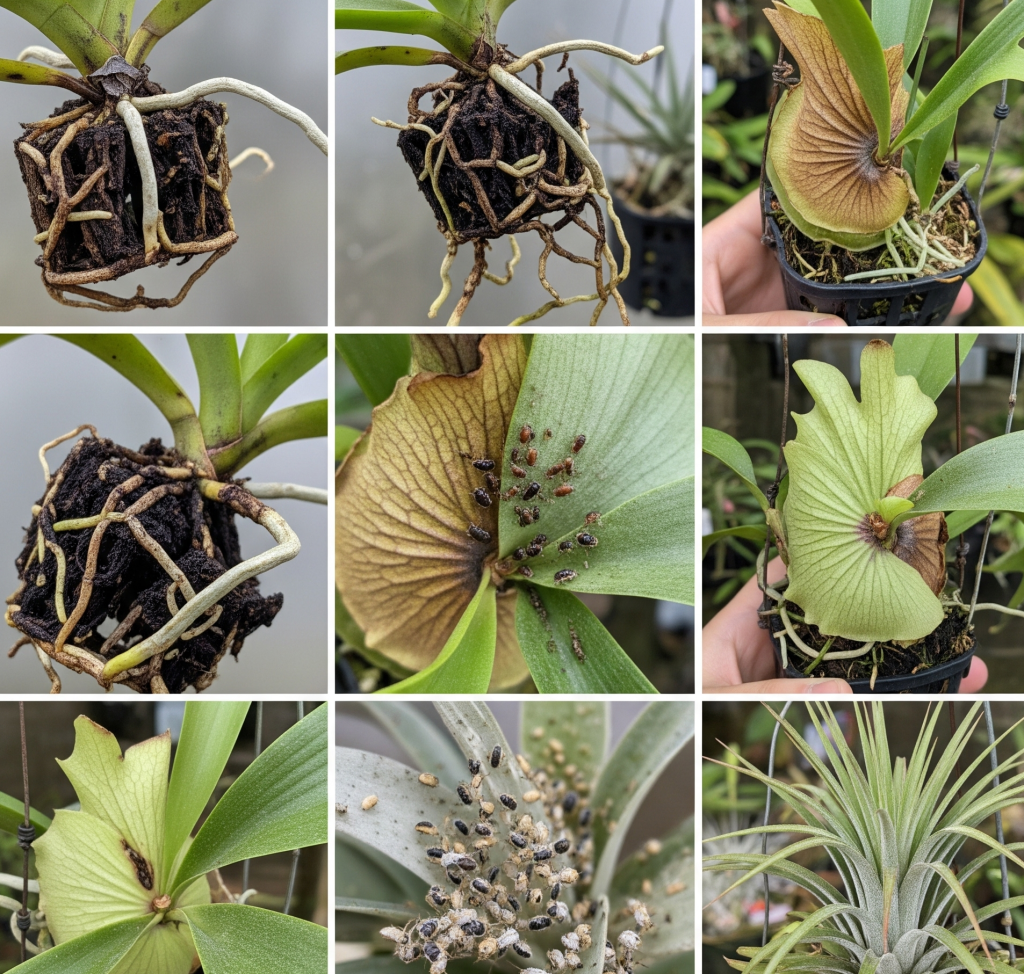
Even experienced plant parents face challenges. What’s bothering your epiphyte, and how can you fix it?
Even with the best intentions, plant parenthood comes with its share of challenges. Here’s a guide to common issues faced by epiphyte owners and how to troubleshoot them:
Root Rot (Mushy, Brown, or Black Roots)
- Problem: This is the most common killer of epiphytes, almost always due to overwatering or an improper potting medium. Their roots need air!
- Troubleshooting:
- Immediate Action: Carefully remove the plant from its pot. Using sterilized scissors, cut away all mushy, black, or brown roots. Healthy roots are firm and typically white, green, or silvery.
- Repot: Repot into fresh, dry, airy epiphyte mix (orchid bark, perlite, charcoal). Do not water for several days to allow any cuts to heal.
- Adjust Watering: Ensure you are allowing the medium to dry almost completely between waterings. Lift the pot to feel its weight (lighter when dry), or use a wooden skewer inserted into the mix; if it comes out damp, wait longer.
- Improve Airflow: Ensure the pot has ample drainage holes and the location has good air circulation.
Wrinkled Leaves (Orchids) or Shriveling Stems/Leaves (Hoyas)
- Problem: Often a sign of dehydration, but it can be misleading.
- Troubleshooting:
- Underwatering: If the potting medium is bone dry and your watering is infrequent, increase frequency or soak the pot longer. For air plants, try a longer soak.
- Root Damage/Rot: Paradoxically, root rot can also cause dehydration symptoms because damaged roots can’t absorb water. Check the roots (see “Root Rot” above). If the roots are gone, the plant can’t hydrate, even if you water. In this case, focus on root recovery in a fresh, airy medium.
- Low Humidity: If watering is consistent but leaves are still wrinkling, ambient humidity might be too low. Increase humidity with a pebble tray or humidifier.
No Blooms
- Problem: The plant is healthy but simply won’t flower.
- Troubleshooting:
- Light: This is the #1 reason. Is it getting enough bright, indirect light? Slowly increase light exposure.
- Temperature Fluctuation: Many epiphytes need a distinct temperature drop at night (10-15°F/5-8°C) to trigger blooming. Consider placing them near a cooler window at night if possible.
- Fertilization: Ensure consistent, dilute feeding. Consider a “bloom booster” fertilizer (higher phosphorus) during the active growth period leading up to when blooms are expected.
- Maturity: Is the plant mature enough? Young plants won’t bloom.
- Rest Period: Has the plant received its necessary rest period (if applicable for its species)?
- Bud Blast: If buds form but then shrivel and fall off, it’s often due to sudden environmental changes (drafts, temperature swings), very low humidity, or extreme dryness/wetness.
Yellowing Leaves
- Problem: Can indicate several issues.
- Troubleshooting:
- Overwatering: Often paired with mushy roots. Check roots.
- Nutrient Deficiency: If older leaves yellow uniformly and roots are healthy, it could be a lack of nutrients. Increase fertilization.
- Too Much Light: Yellowing that looks like bleaching or sunburn, especially on new leaves, could mean too much direct light. Move to a shadier spot.
- Natural Aging: Occasionally, an older leaf yellowing and dropping is normal.
Pests (Mealybugs, Scale, Spider Mites)
- Problem: Small insects clinging to leaves/stems, sticky residue, or webbing.
- Troubleshooting:
- Isolation: Isolate the infested plant immediately to prevent spread.
- Manual Removal: For small infestations, wipe off pests with a cotton swab dipped in rubbing alcohol.
- Insecticidal Soap/Neem Oil: For larger infestations, spray thoroughly with an insecticidal soap or neem oil solution, ensuring to cover all surfaces, including leaf undersides. Repeat applications are usually necessary.
- Good Air Circulation: Strong airflow can help deter pests.
By understanding these common pitfalls and applying these troubleshooting tips, you’ll be better equipped to keep your epiphytes thriving and enjoying their unique beauty for years to come.
For Further Exploration: Deepening Your Epiphyte Knowledge
Eager to learn more about specific epiphyte species or advanced care techniques? Here are some reliable resources to help you continue your journey:
- Reputable Botanical Gardens: Websites of major botanical gardens often feature excellent care guides for their tropical plant collections.
- University Extension Services: Many university programs provide free, research-backed publications on growing epiphytes in various climates. Search for “[your state] extension orchid care” for local advice.
Top Resources for Orchid Care:
- American Orchid Society (AOS): The ultimate resource for orchid enthusiasts, offering extensive articles, care sheets, and culture guides on their website (aos.org).
Hoya Specific Resources:
- Specialized Hoya Forums & Online Groups: The online Hoya community is incredibly active! Search for “Hoya plant forum” or “Hoya lovers group” on social media to connect with experienced growers and find practical tips.
- Hoya-Specific Blogs/Retailers: Many reputable Hoya nurseries and collectors share detailed care guides on their websites.
Remember to always cross-reference information from multiple reliable sources, as care techniques can vary.
Your Epiphyte Journey: Share Your Story!
Now that you’ve explored the fascinating world of epiphytes, we’d love to hear about your own experiences!
- Have you already grown orchids, hoyas, tillandsias, or other epiphytes? What are your favorite species and what have you learned along the way?
- What are the biggest challenges you’ve faced, and how did you overcome them? Your tips might help fellow enthusiasts!
- After reading this, are you inspired to grow an epiphyte for the first time? Which species are you considering?
Head to the comments below and share your epiphyte journey! Let’s build a community of aerial plant lovers.


 The Wax & The Bloom
Leave a reply to Tanner Cancel reply