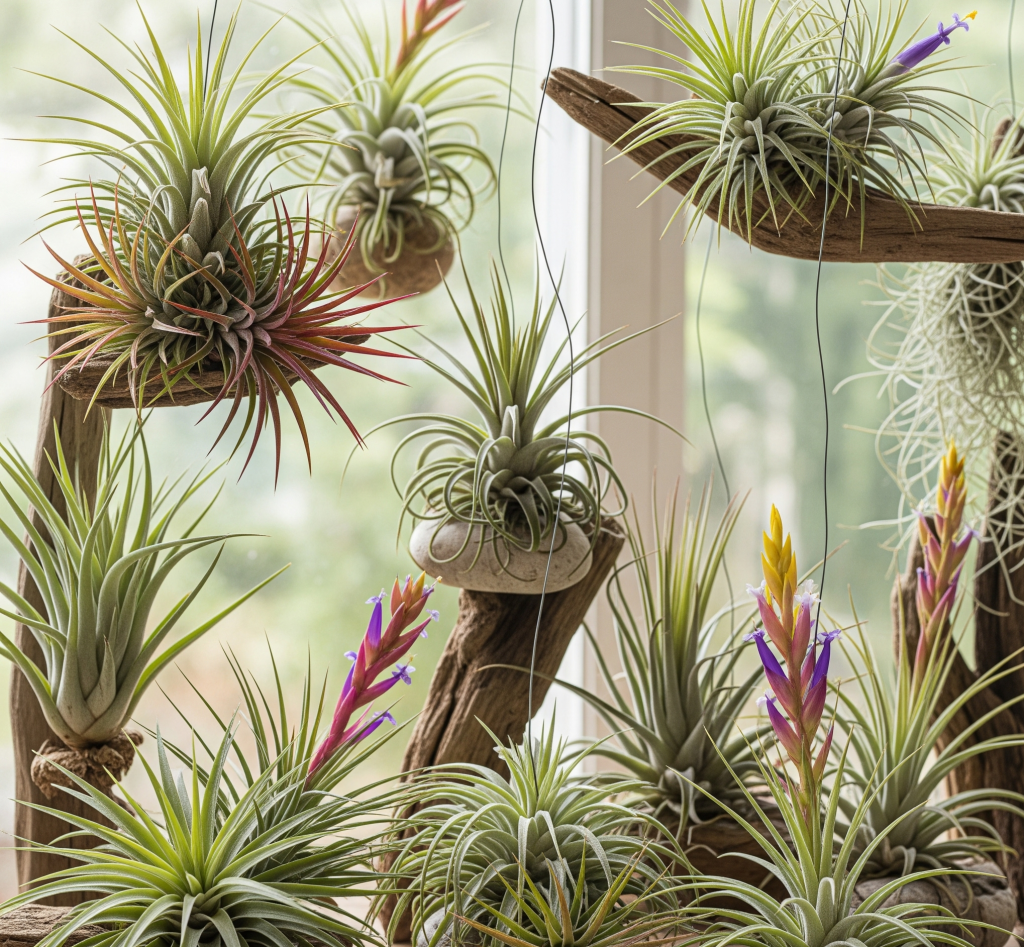
Tillandsias, or “air plants,” are unique epiphytes that thrive without soil by obtaining moisture and nutrients from the air, allowing them to adapt to diverse environments.
This unique trait makes Tillandsias incredibly versatile, requiring minimal care while thriving in various indoor settings and drawing moisture from humidity, making them ideal for drier climates. This guide provides essential information on their growth, covering light requirements, watering techniques, and ideal placement to ensure they flourish.
The Basics of Tillandsia Care
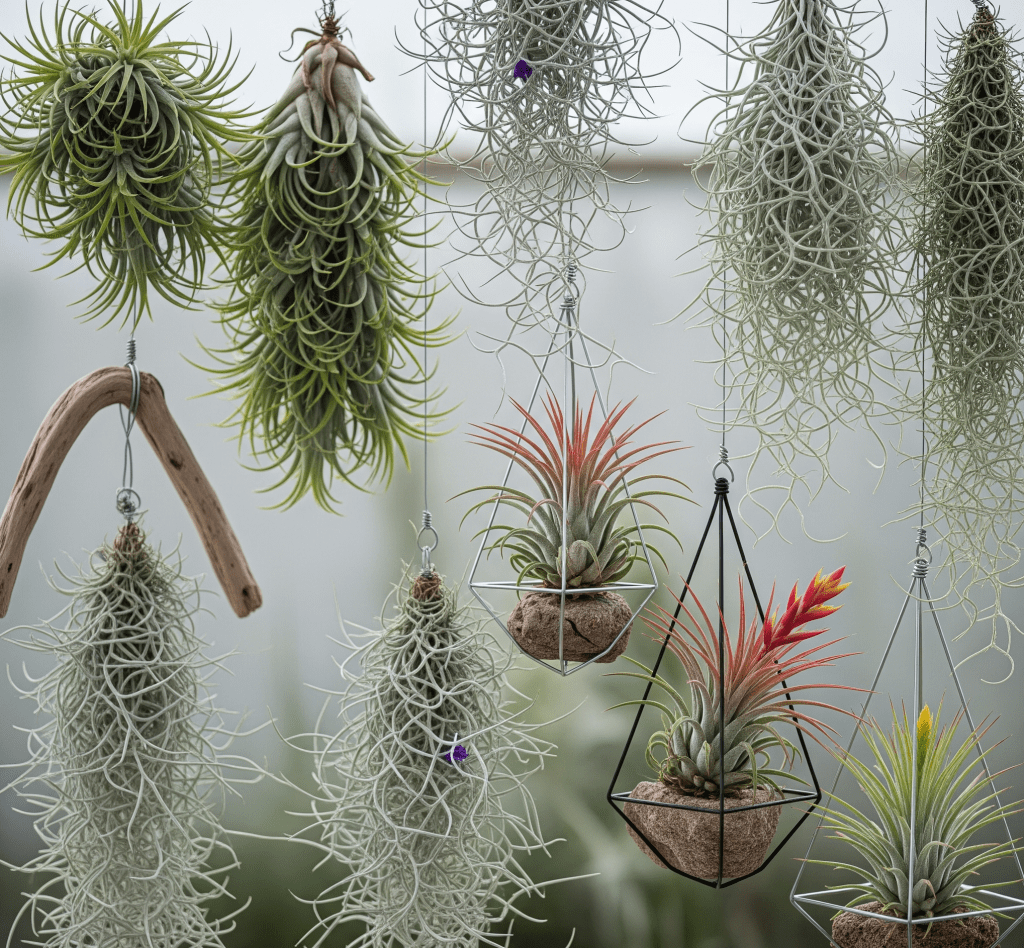
Caring for Tillandsias is surprisingly simple once you understand their unique needs. It all comes down to three key factors: light, water, and air circulation.
- Light: Air plants thrive in bright, indirect sunlight. A location near a window with plenty of light, but away from direct afternoon sun, is best. If natural light is limited, they can also grow under fluorescent lights. Be cautious with direct sunlight, as it can dry them out and harm them. Adjust their position to ensure they get the right amount of light for healthy growth.
- Water: This is often where people get confused, leading to misunderstandings about Tillandsia care. Tillandsias don’t need soil, but they do need water, which is essential for their survival and health. There are two main ways to hydrate them to ensure they thrive:
- Misting: For plants in a humid environment, a regular misting with a spray bottle every few days might be enough to provide adequate moisture. This method works well, particularly in areas where humidity levels are consistently high, mimicking their natural habitat.
- Soaking: To care for your Tillandsia, give it a “bath” every 1-2 weeks by submerging it in room-temperature water for 20-30 minutes. Make sure the water isn’t too hot or cold. After soaking, shake off excess water and let it dry in a ventilated area. This is important to prevent rot, which is a common problem. Keep an eye on their hydration levels to ensure their health.
- Air Circulation: Good air circulation is crucial for your plants’ health. Tillandsias, or air plants, must dry out completely within a few hours to avoid fungal problems and rot. Placing them in a well-ventilated area or near an open window is beneficial. This ensures they get the fresh air they need and promotes a healthy environment for growth. In less ventilated spaces, consider using fans or gentle breezes to improve air circulation.
Getting to Know Different Varieties
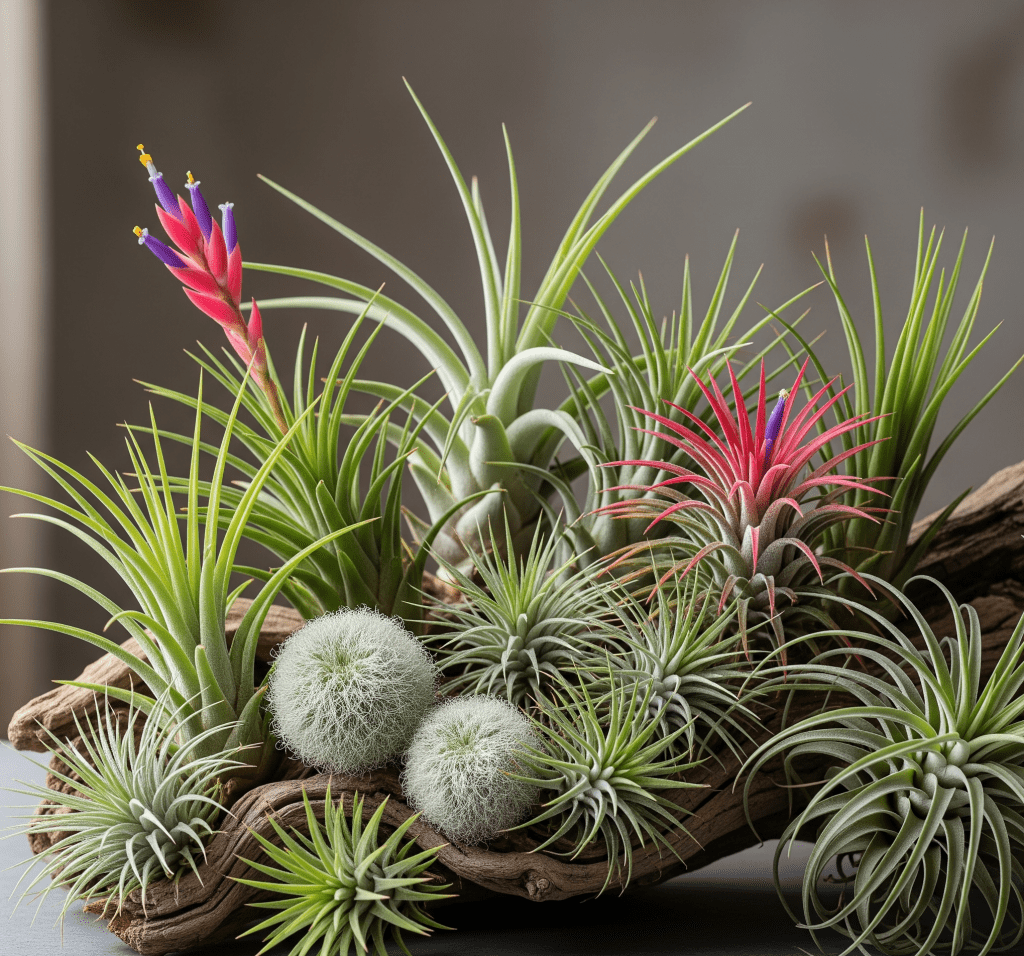
There are many Tillandsia species with diverse shapes, sizes, and textures, making them appealing for indoor gardening. While they share similar care requirements focused on light and humidity, types like Tillandsia ionantha and Tillandsia xerographica are ideal for beginners due to their resilience. Understanding their specific needs can enhance their growth and display vibrant colors in living spaces.
- Tillandsia ionantha:
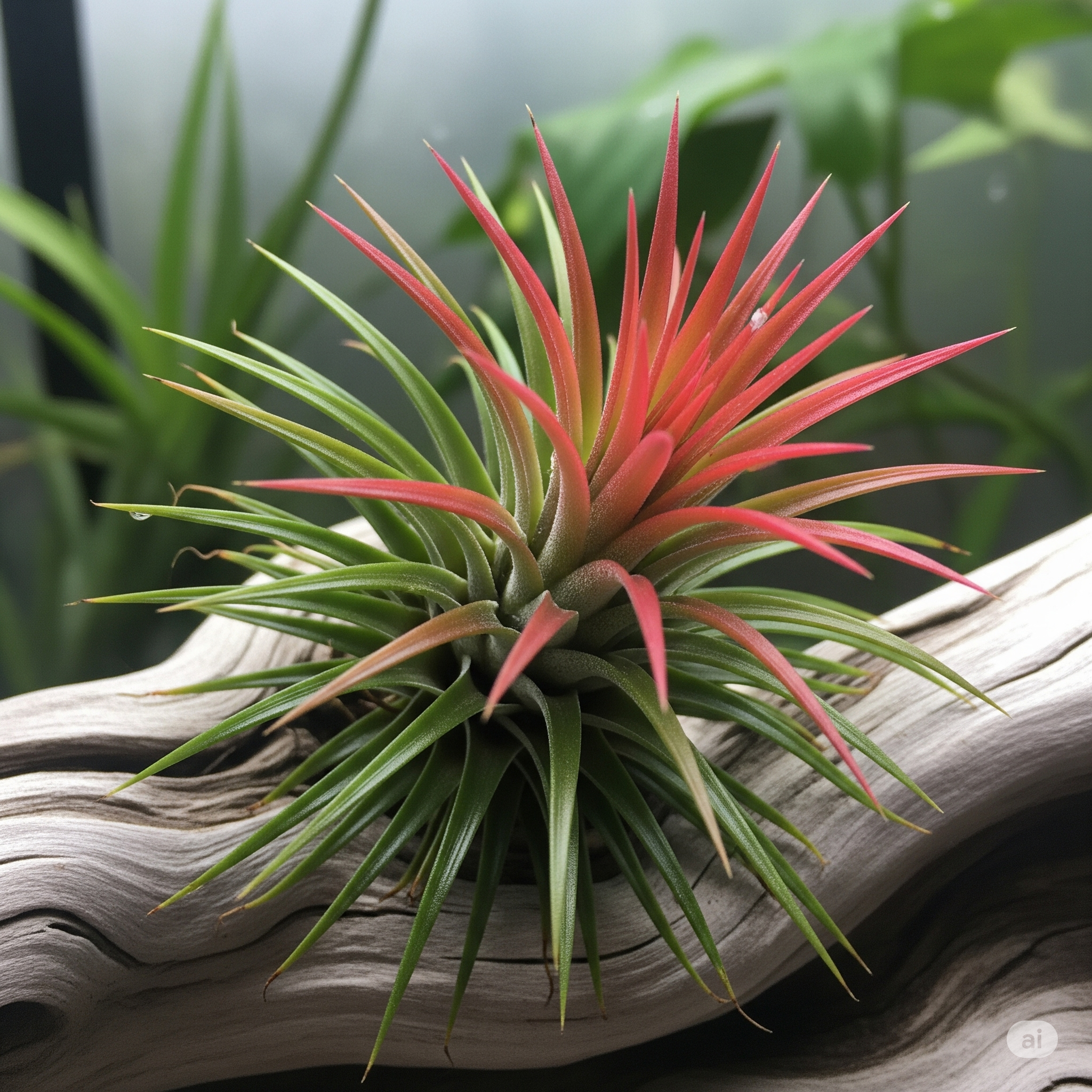
This is one of the most common air plants you’ll find. It has small, compact leaves that often blush a vibrant red when it’s about to bloom, a beautiful sign of a happy plant. - Tillandsia xerographica:
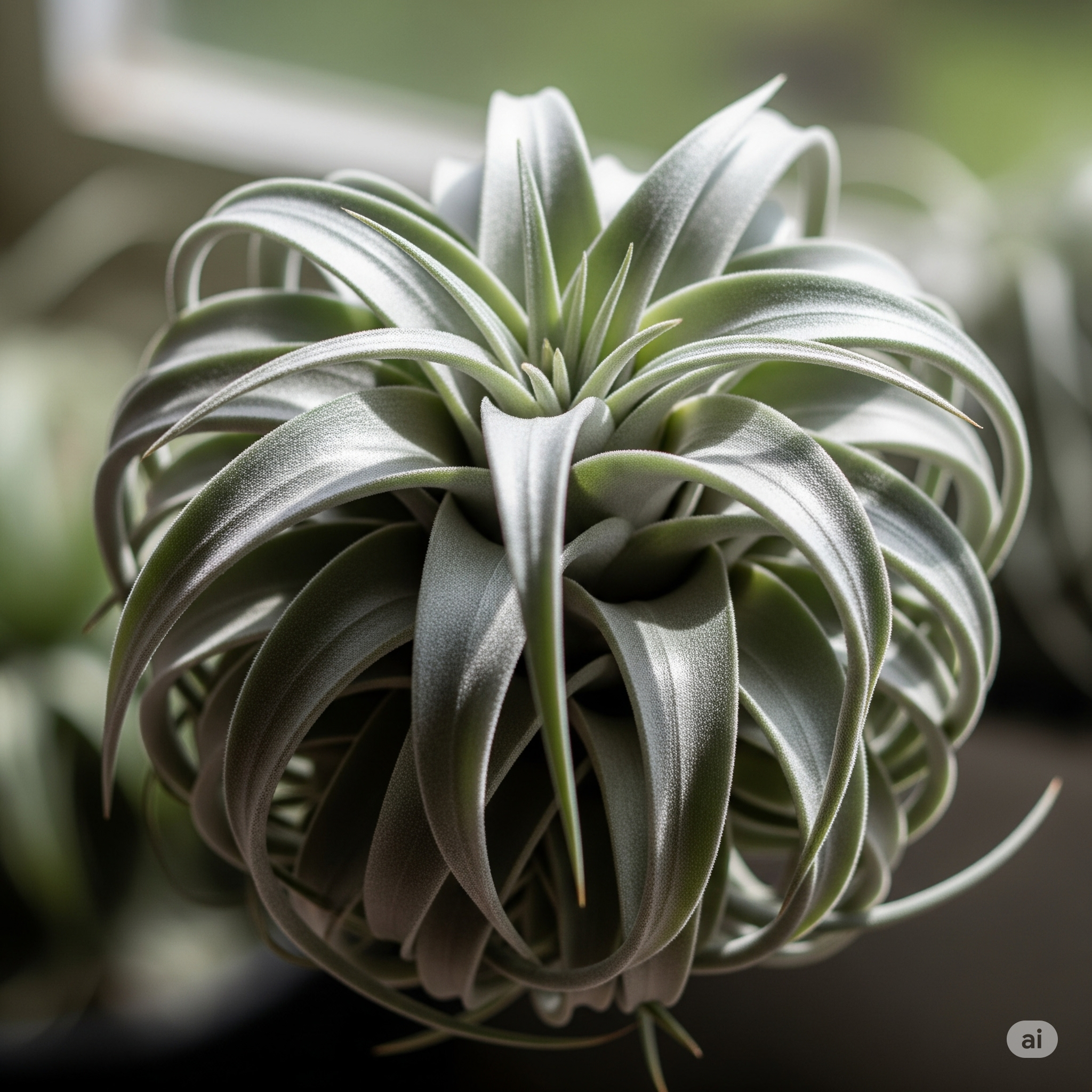
Known as the “King of Air Plants,” this variety features a large, striking, rosette shape with silvery-gray leaves. Because of its thick leaves, it needs a little less water than other varieties. - Tillandsia cyanea:
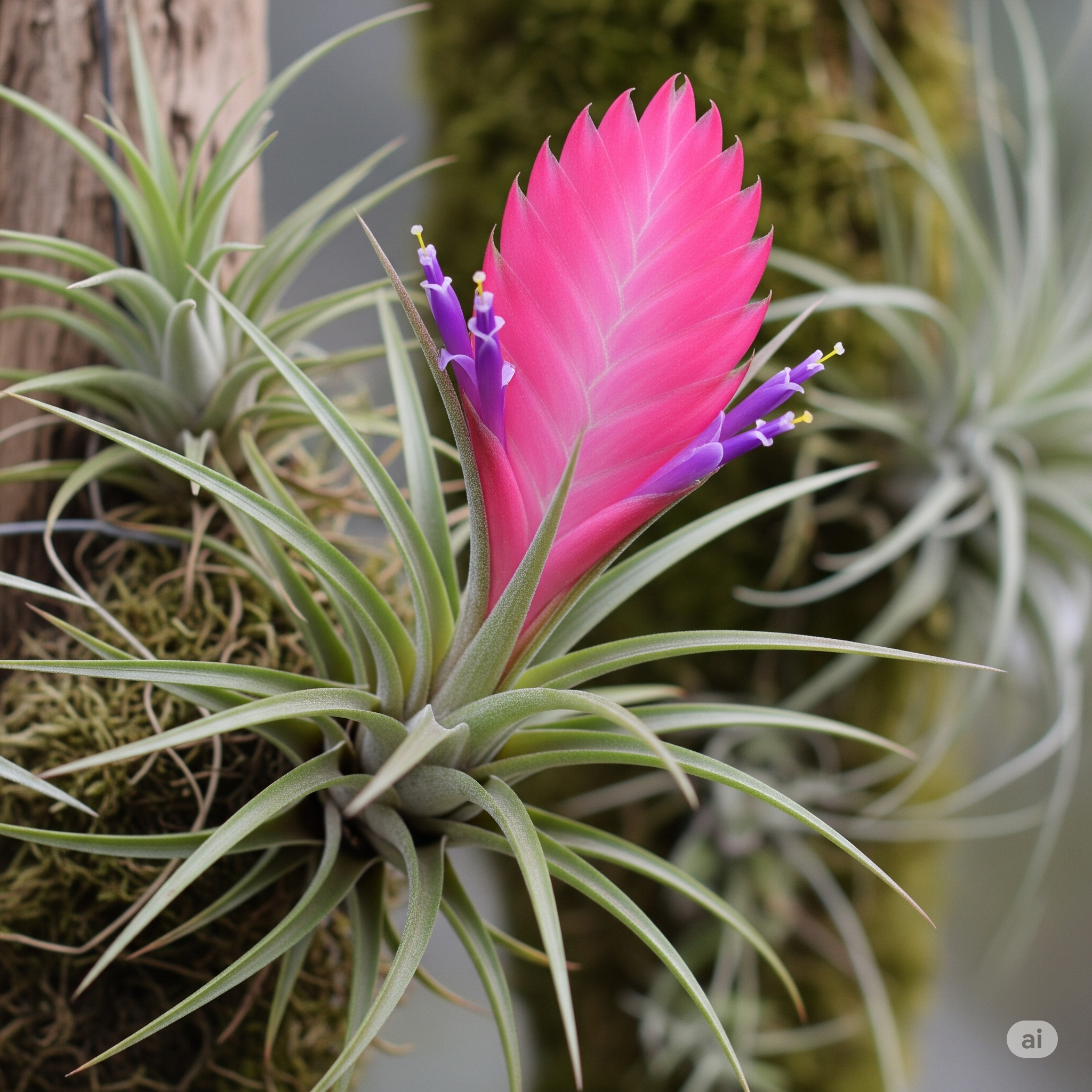
Also known as the “Pink Quill,” this plant is famous for its vibrant pink bract, from which beautiful purple flowers emerge. It’s a showstopper and a must-have for any collection.
Troubleshooting Common Problems
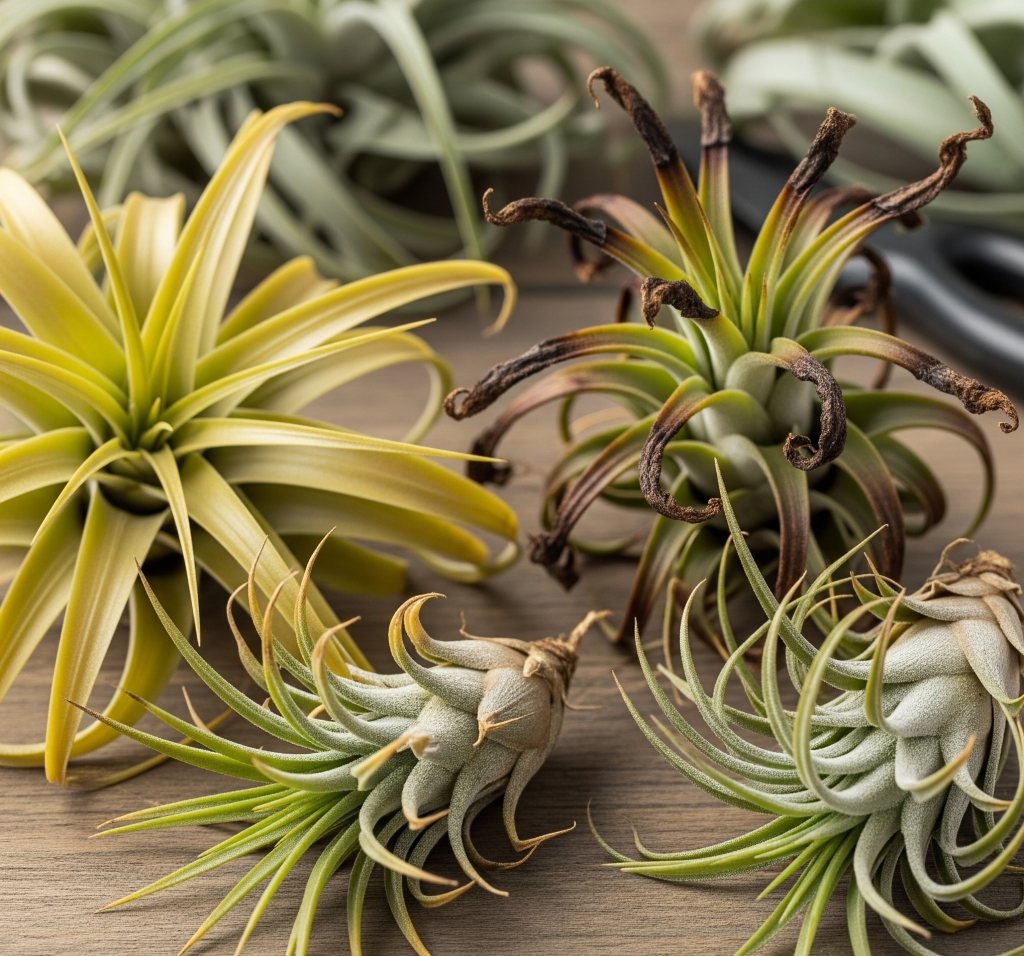
Even with proper care, issues can arise unexpectedly in well-maintained items or systems. It’s important to recognize signs of problems, such as unusual noises or changes in performance. The paragraph also outlines practical steps to address these concerns promptly to maintain optimal functionality.
- Rot:
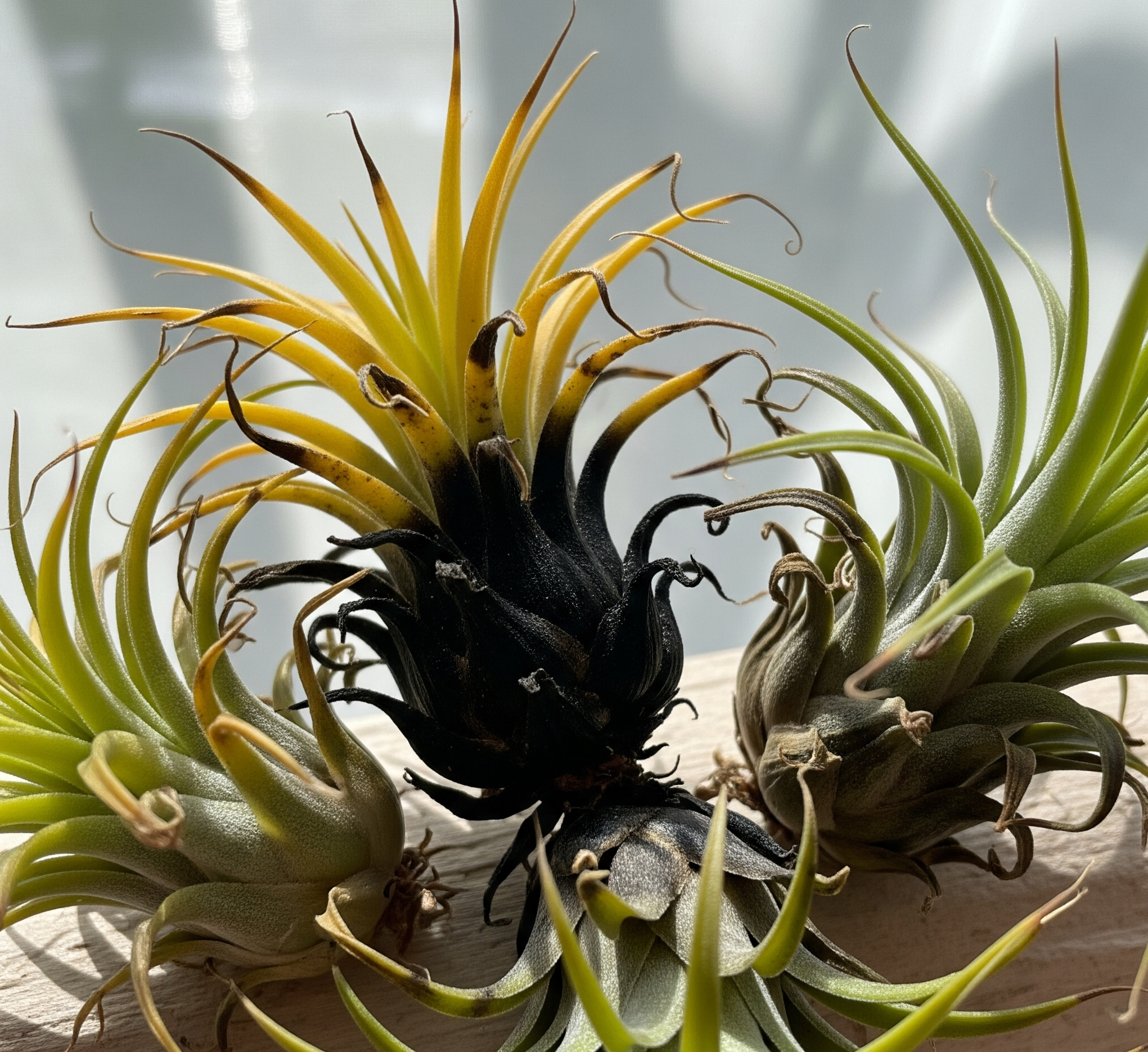
Rot occurs when a plant does not dry properly after watering, causing the base to turn brown or black and feel mushy with a foul smell. It’s usually hard to save a rotting plant, so prevention is essential. Ensure good drainage, use well-aerated soil, and monitor your watering schedule to minimize the risk of rot. - Dehydration:
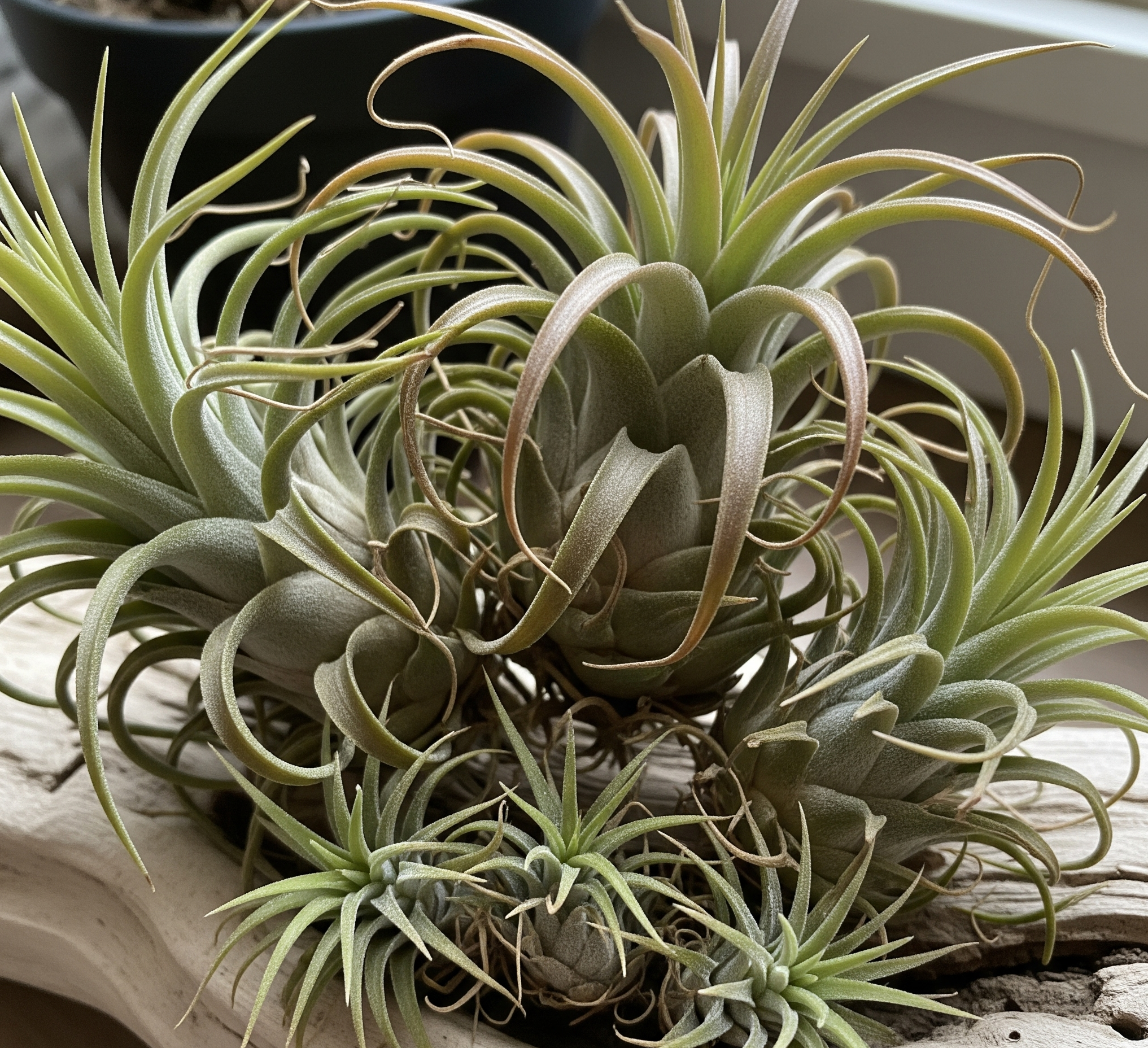
When leaves curl tightly and tips turn brown and crispy, your plant needs more water. Soak it longer and water more frequently. Ensure good drainage and adjust the plant’s location to avoid excessive heat or dryness. Monitor the soil’s moisture to find the right watering schedule for your plant. - Scale or Mealybugs:
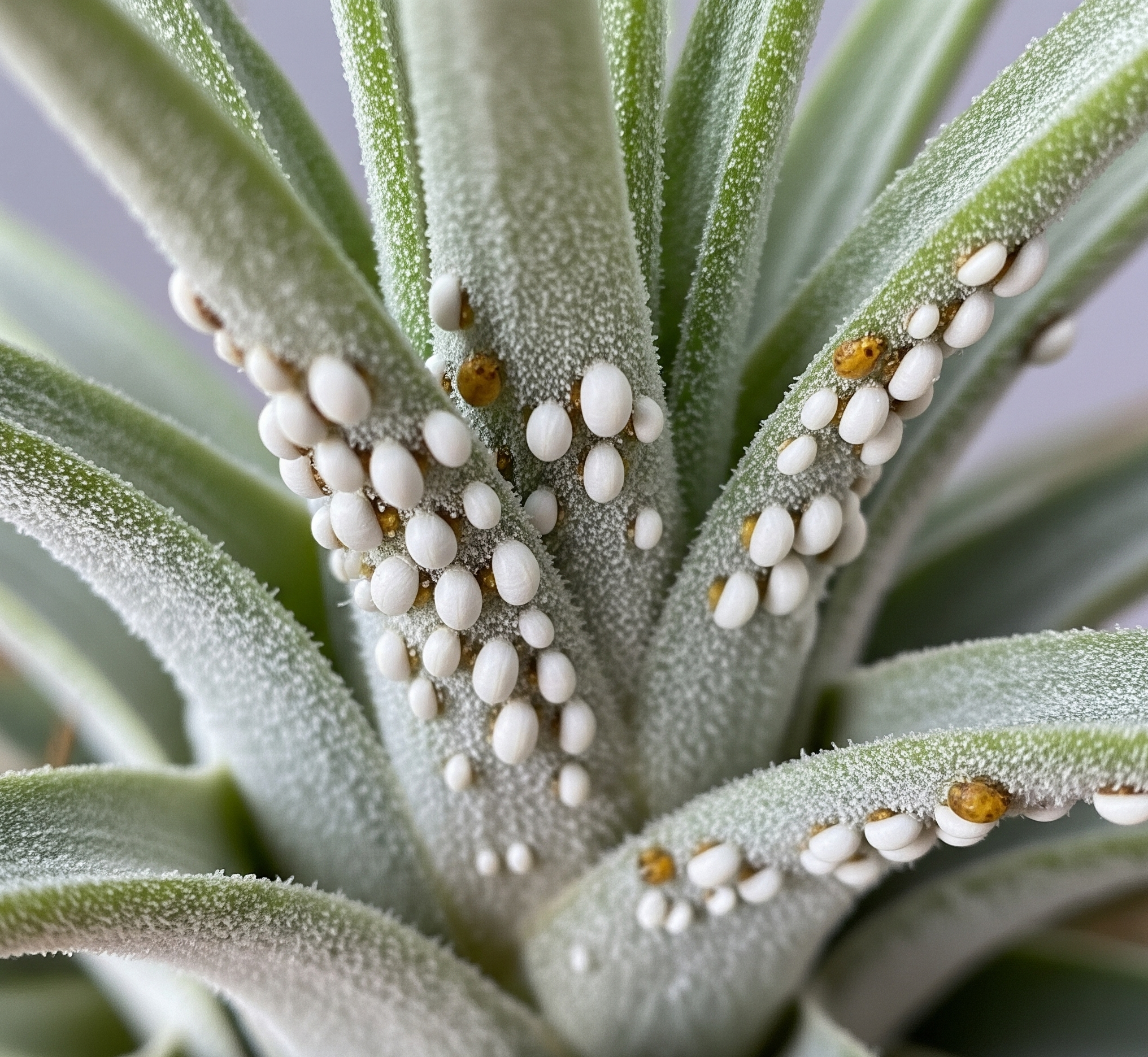
These pests can sometimes infest Tillandsias, causing damage to the plant by sucking out its sap and leading to a decline in health. You can often remove them by gently scraping them off or dabbing them with a cotton swab dipped in rubbing alcohol. Regular inspections can help prevent severe infestations, and it’s essential to act quickly to safeguard your plants from their detrimental effects.
Creative Ways to Display Your Air Plants
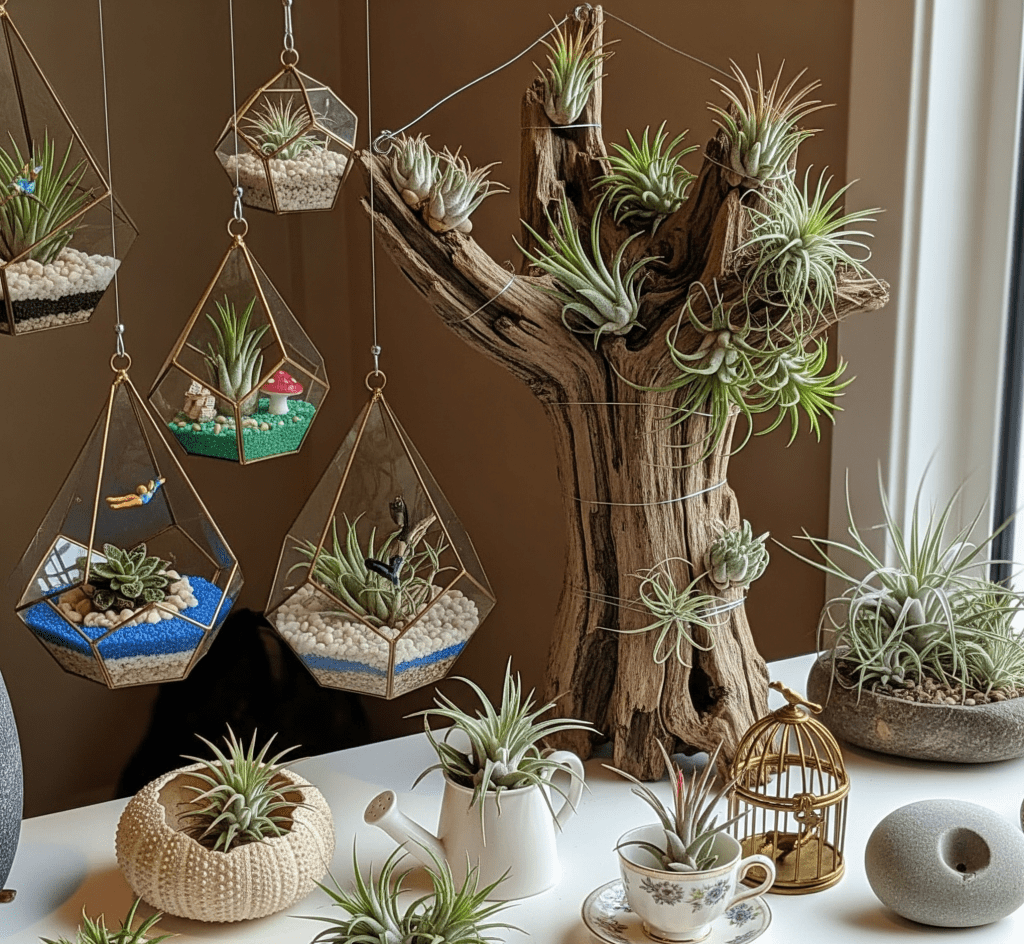
Growing Tillandsias allows for creative displays since they don’t require soil. These air plants can be arranged in various ways, such as in hanging terrariums or as centerpieces, and can be clustered or placed in unique containers to enhance their beauty. Experimenting with different heights and orientations adds visual interest, showcasing personal style while nurturing these resilient plants.
- On Wood or Rocks:
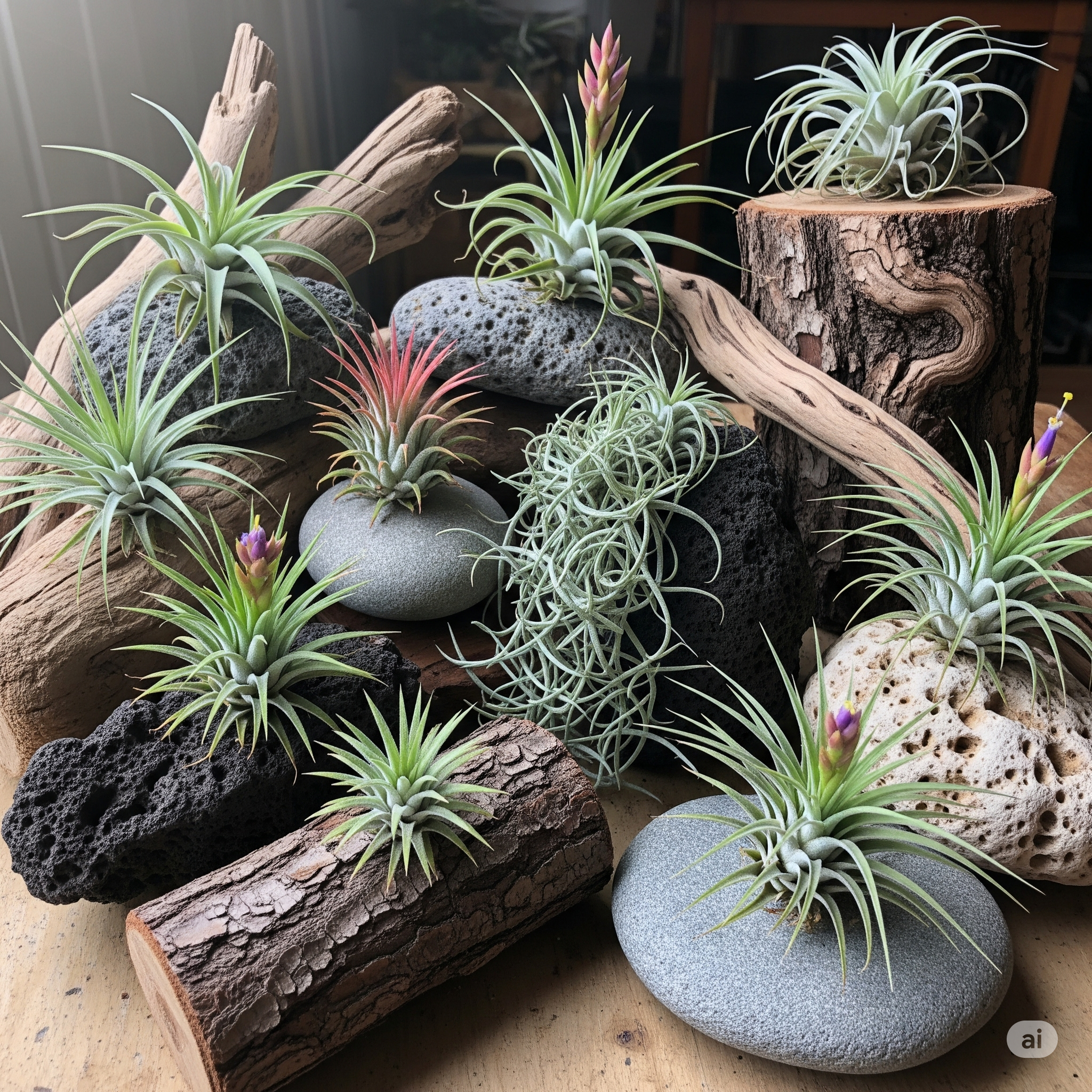
Simply glue them onto a piece of driftwood or a decorative rock using a plant-safe adhesive. This creates a unique and rustic display, allowing you to incorporate natural elements into your decor while ensuring that the materials used are safe for both the plants and the environment. - In Terrariums or Glass Ornaments:
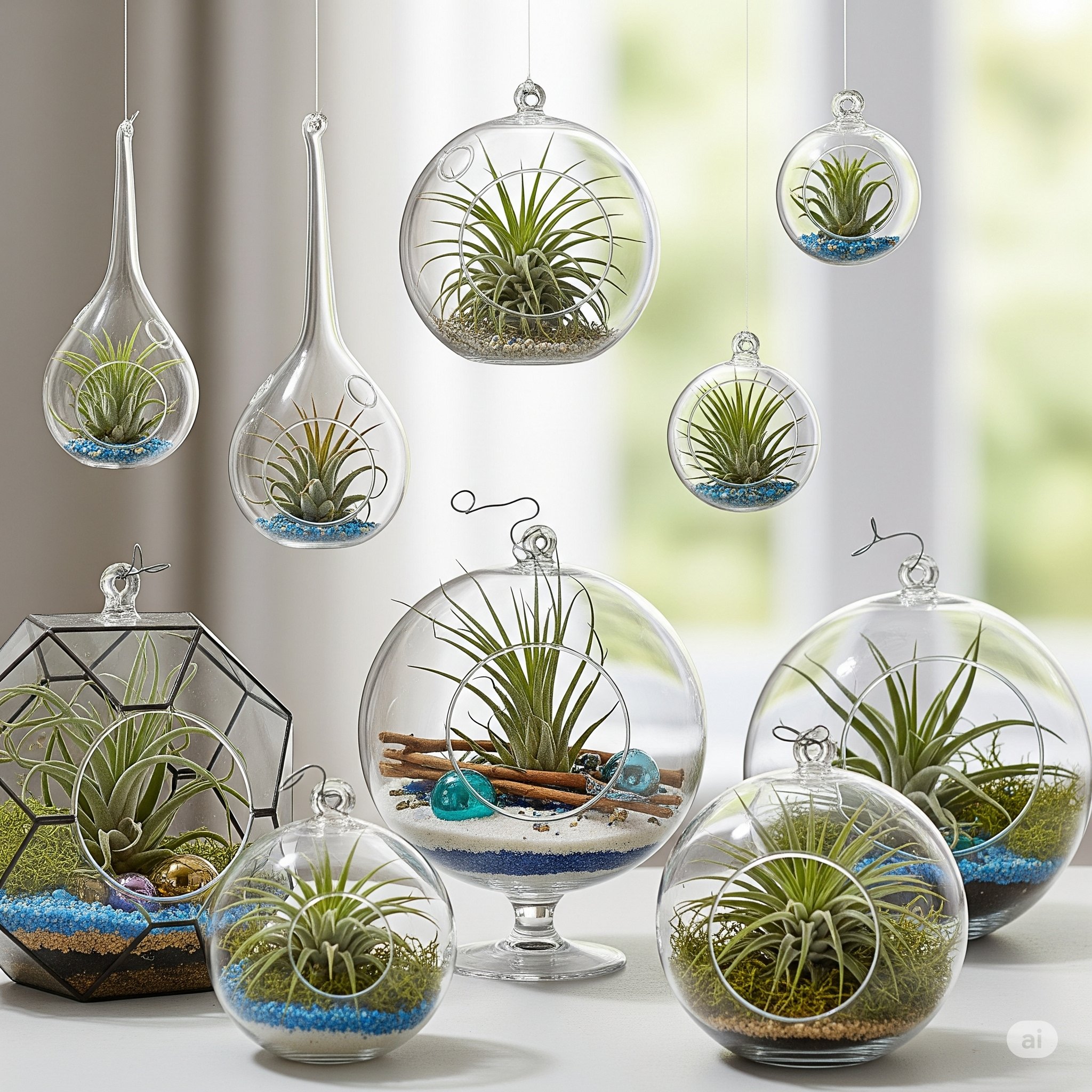
Place them inside glass orbs or terrariums for a minimalist, modern look that complements your decor beautifully. Just be sure there is enough air flow to maintain their health and vitality! This approach not only enhances the visual appeal of your space but also creates a serene atmosphere, perfect for any setting. - Hanging Displays:
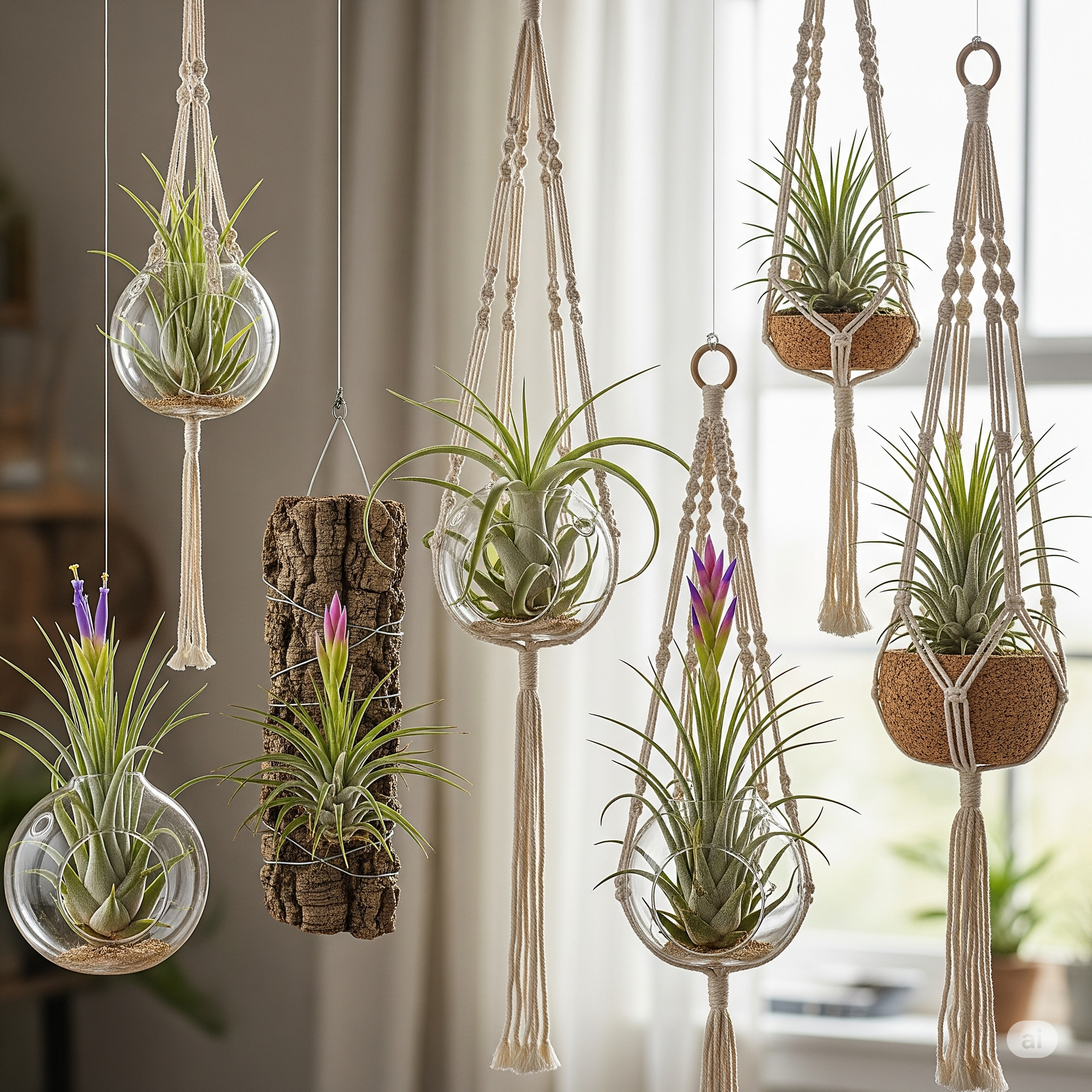
Use a simple wire hanger or a specially designed air plant holder to hang them securely and create a beautiful vertical garden that not only saves space but also adds a unique aesthetic appeal to your indoor or outdoor area.
With their captivating beauty and low-maintenance nature, air plants are a fantastic addition to any home, enhancing both interior aesthetics and air quality. These unique plants come in an array of shapes and colors, making them a versatile decoration for any room. By providing them with the right amount of light, water, and air, you can enjoy these remarkable plants for years to come.
Regularly misting them or soaking them in water every couple of weeks ensures they thrive, while their ability to flourish in various environments means you can be creative with their placement, from hanging in macramé to resting atop a decorative shelf. Whether you are an experienced plant enthusiast or a beginner, integrating air plants into your living space not only beautifies your area but also brings a touch of nature indoors.
Happy growing!
 The Wax & The Bloom
Leave a comment