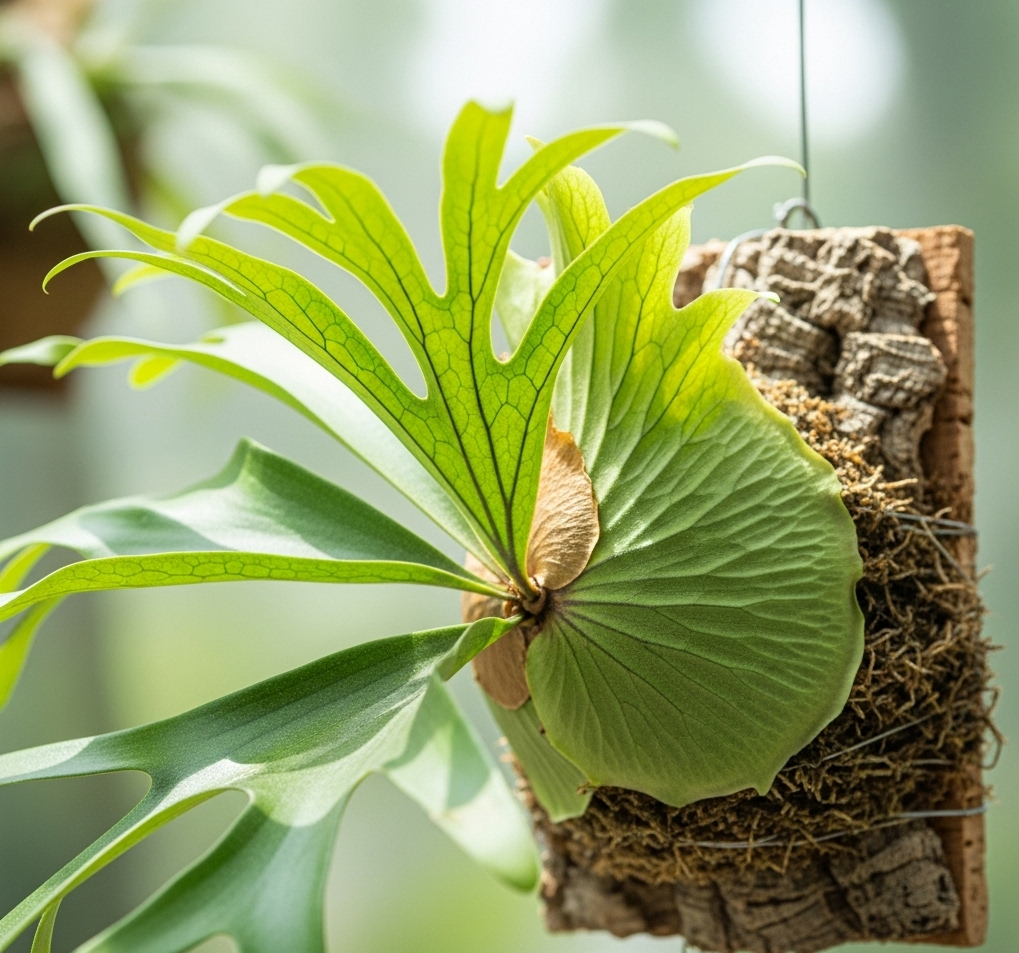
Welcome back, plant enthusiasts! Here at Epiphyte Plants, we’re always eager to explore the fascinating world of plants that defy gravity, growing high above the ground. While orchids and bromeliads often steal the spotlight, today we’re turning our attention to another captivating group of epiphytes: ferns.
You might associate ferns with shady forest floors, but a surprising number have adapted to an aerial lifestyle, thriving on tree trunks and branches without soil. These epiphytic ferns bring unique textures, forms, and lush greenery to any collection. Let’s delve deeper into their world!
Introduction to Epiphytic Fern Families: A Glimpse into Diversity
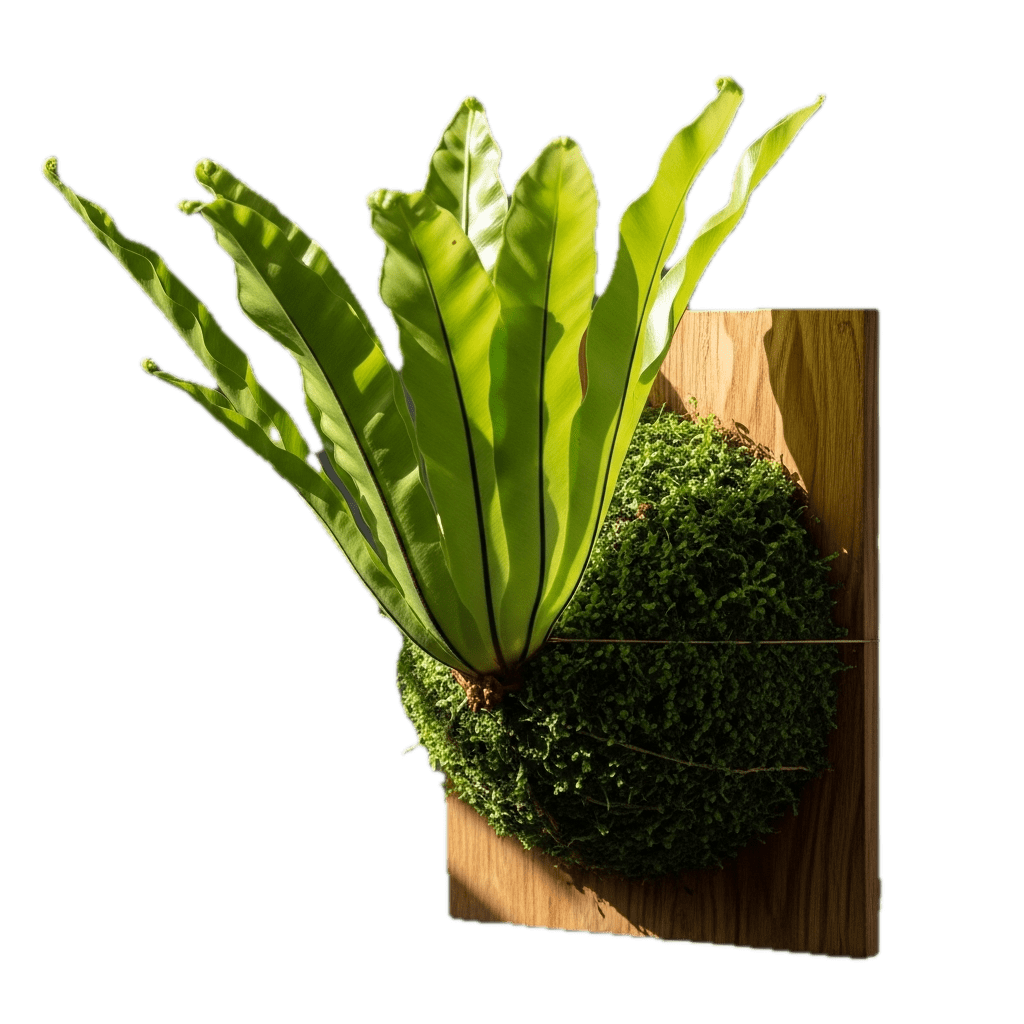
Epiphytic ferns are diverse, with many genera showing interesting adaptations to living in the air. These plants can grow without soil, taking in moisture and nutrients from the air around them. Here are some popular families you’d find: the resilient Polypodiaceae, which can thrive on various surfaces, and the graceful Lycopodiaceae, known for their unique growth and reproduction. Their lifecycle, which involves spores rather than seeds, makes these ferns fascinating to study for both botanists and plant lovers.
- Platycerium (Staghorn Ferns):
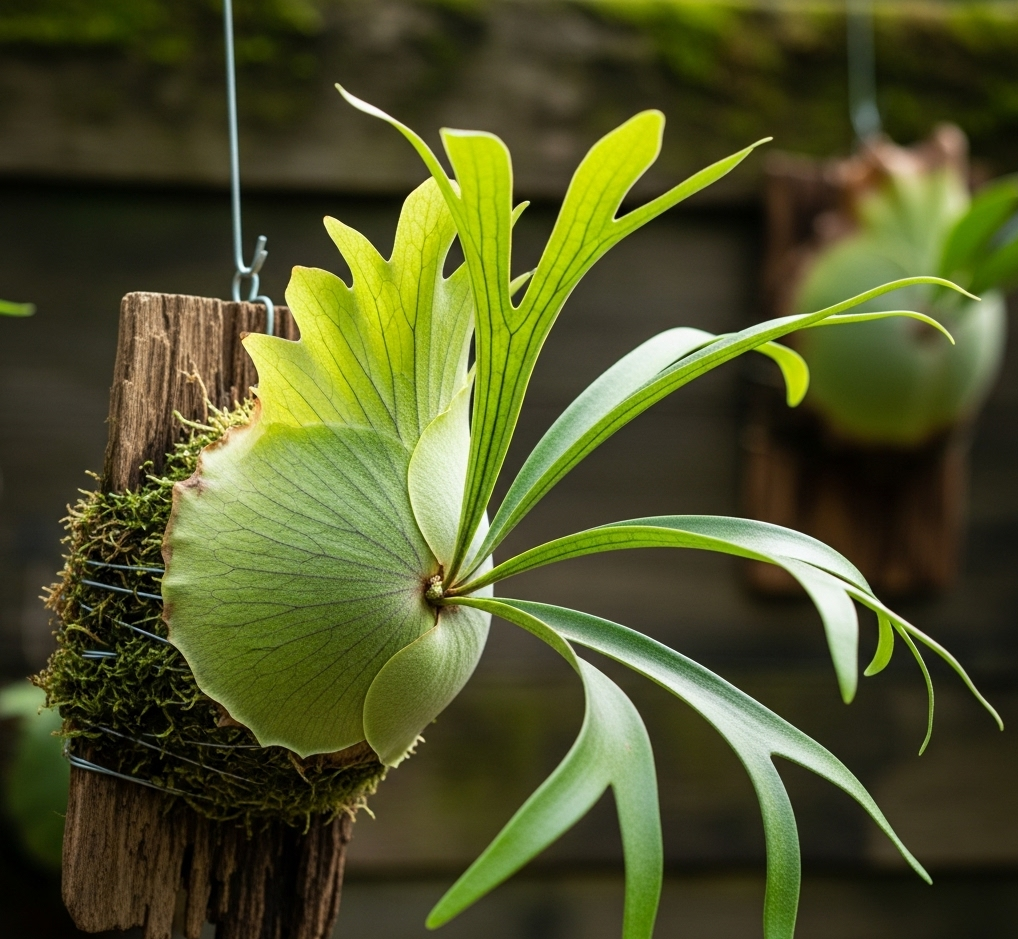
Perhaps the most iconic epiphytic ferns, Staghorn ferns are easily recognizable by their two distinct frond types: sterile “shield fronds” that flatten against their host (or mount) to collect water and debris, and fertile “foliage fronds” that resemble deer antlers. Their unique appearance makes them a dramatic focal point. - Asplenium (Bird’s Nest Ferns):
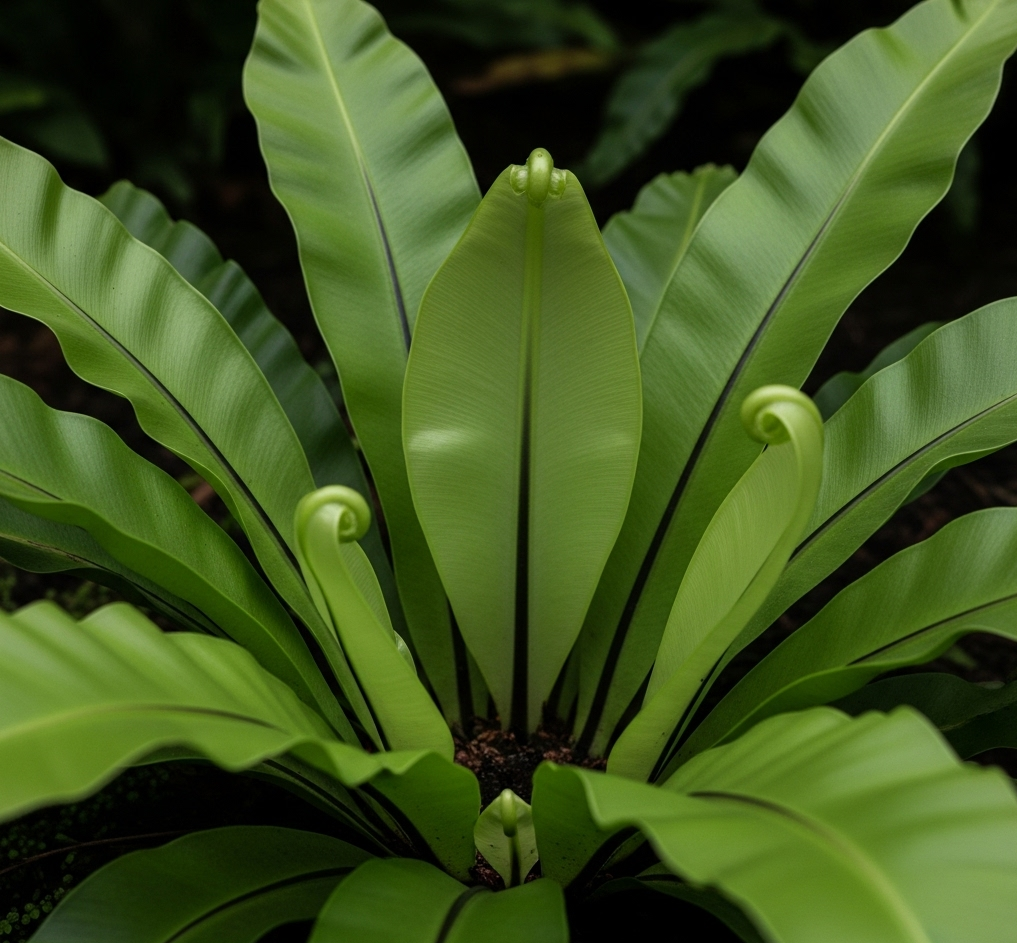
These ferns, particularly Asplenium nidus and its cultivars, form a central, cup-like rosette of broad, bright green fronds, resembling a bird’s nest. This structure helps them catch falling leaves and rainwater. They are relatively straightforward to care for and add a tropical flair. - Polypodium (Resurrection Ferns & Others):
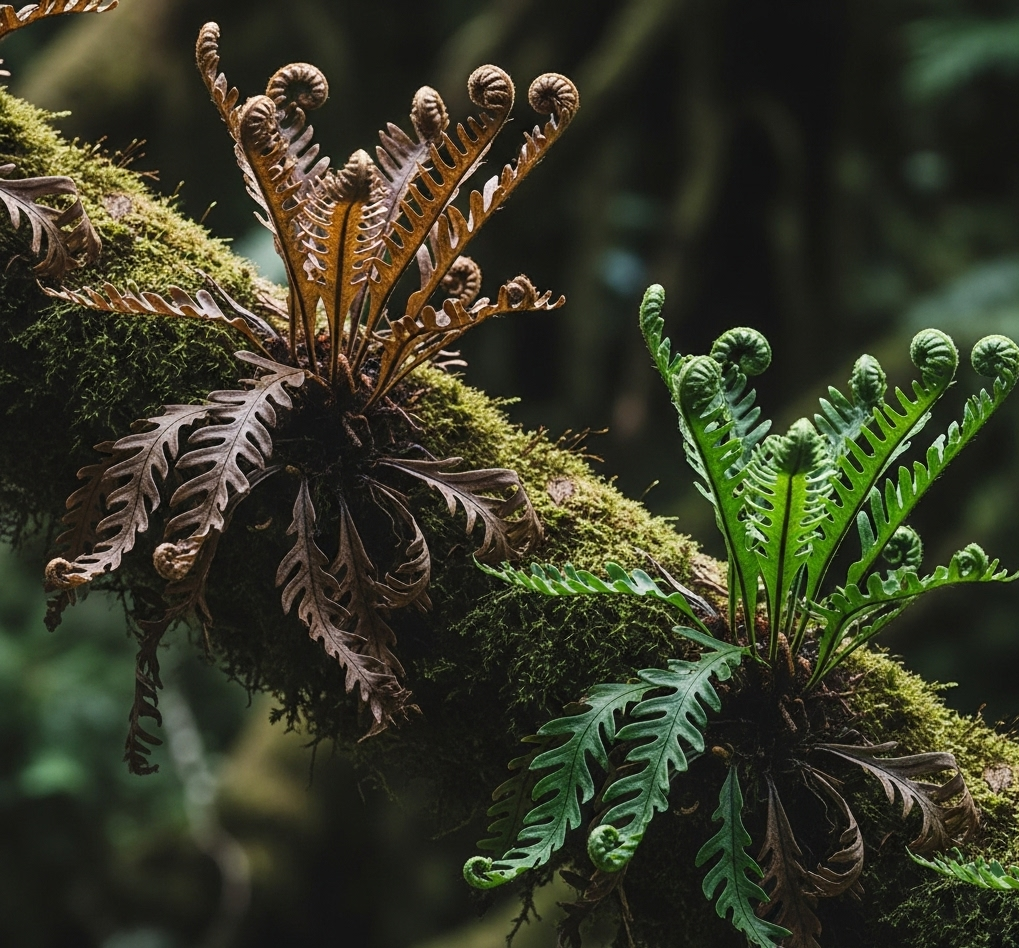
This large genus includes many epiphytic species, such as the famous “Resurrection Fern” (Polypodium polypodioides). True to its name, this fern can shrivel and appear dead during dry periods, only to unfurl and green up beautifully with the return of moisture. Other Polypodium species offer a variety of frond shapes and textures. - Davallia (Rabbit’s Foot Ferns):
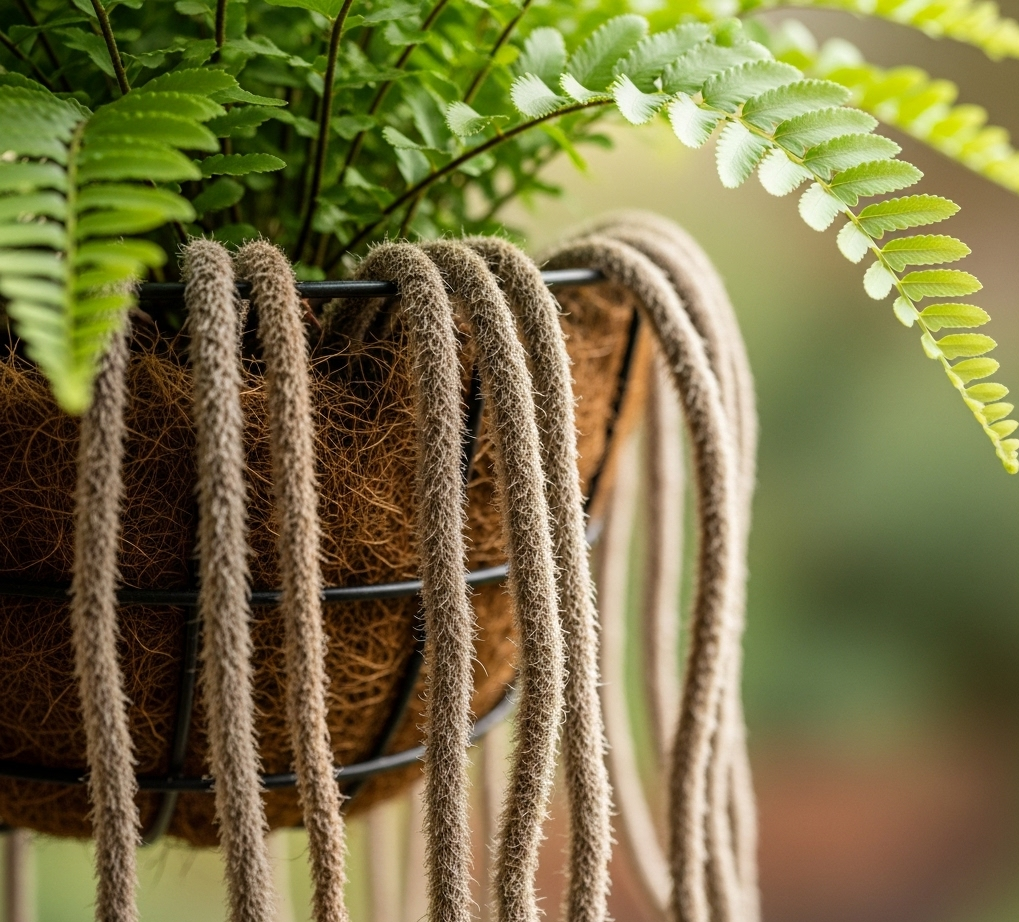
Known for their fuzzy, creeping rhizomes that resemble rabbit’s feet, these ferns are often grown in hanging baskets or mounted, allowing their rhizomes to cascade. The delicate, lacy fronds are an added bonus.
Specific Care Requirements: Tailoring to Their Aerial Needs
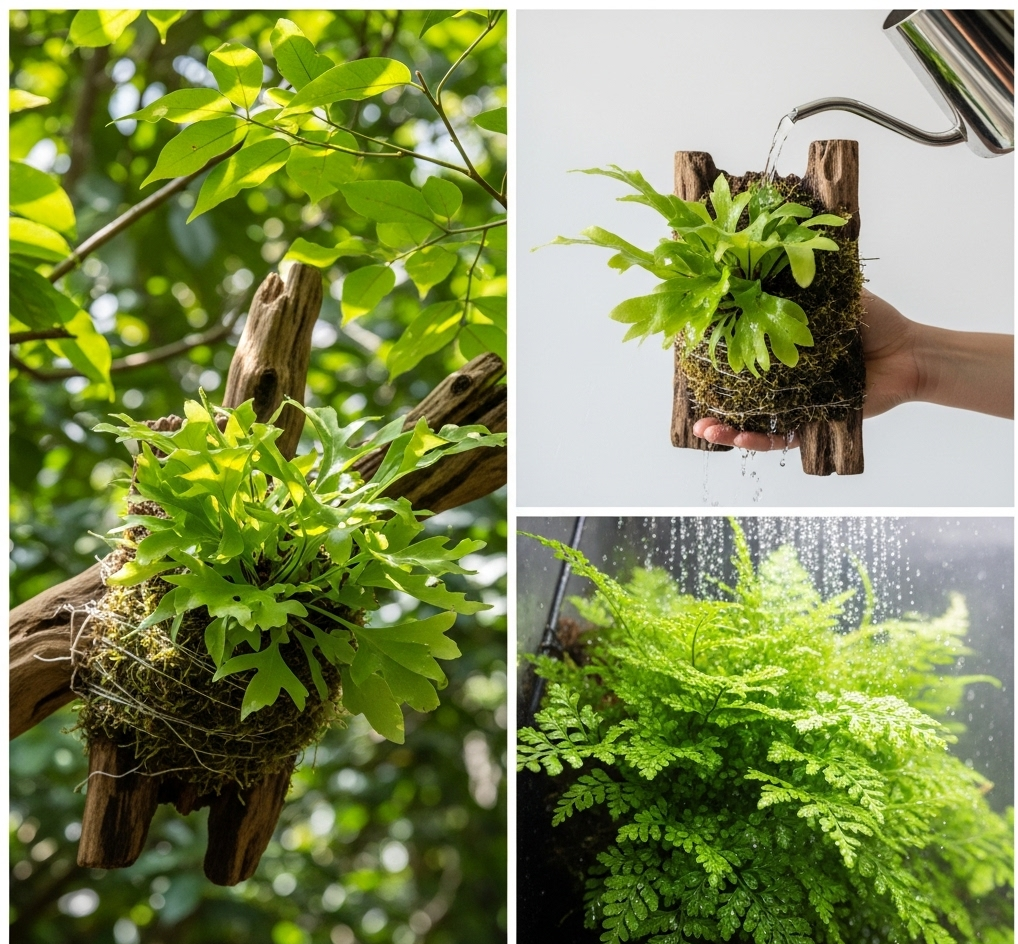
Caring for epiphytic ferns is different from caring for regular ferns because they grow on trees and other surfaces instead of in soil. To help them thrive, mimic their natural habitat by providing humidity, good air circulation, and well-draining soil. These ferns like indirect sunlight, so place them where they get bright, filtered light without direct sun. Regular misting and occasional fertilizing during the growing season will support healthy growth and vibrant leaves. Knowing these needs is important for successfully growing these plants at home.
- Light: Most epiphytic ferns prefer bright, indirect light. Direct sun can scorch their fronds and lead to detrimental effects on their overall health and appearance. Think of dappled light under a tree canopy, which provides a gentle yet adequate light source for growth. A north or east-facing window is often ideal indoors, as it allows soft light to filter through, creating the perfect environment for these delicate plants to thrive while avoiding the harshness of full afternoon sun.
- Humidity: This is crucial! Epiphytes absorb moisture from the air to thrive in their natural habitat. Aim for high humidity levels, ideally 60% or more, as this ensures their health and growth. Grouping plants together, using a pebble tray filled with water, or employing a humidifier are all excellent strategies to maintain this environment. Misting can provide a temporary boost to humidity but isn’t a long-term solution on its own, as the moisture will evaporate quickly and may not sufficiently meet the plants’ needs over time. Maintaining consistent humidity levels is key to preventing stress and promoting growth in these specific types of plants.
- Mounting & Substrate: Unlike potted plants, epiphytic ferns don’t grow in soil. They thrive by attaching themselves to various substrates that provide support and moisture.
- Mounted Ferns: This is the most natural way to grow them. They are attached to pieces of cork bark, driftwood, or tree fern fiber, which mimic their natural habitat. A small amount of sphagnum moss can be used around the roots to retain moisture as they establish, helping them adapt to their new environment.
- Basket Grown: Some, like larger Staghorn ferns, can be grown in wire or wooden slat baskets lined with sphagnum moss or coco fiber. This method allows air circulation around the roots while providing a suitable moisture reservoir.
- Watering: This is where many struggle. Since they aren’t in soil, their roots dry out quickly, requiring attentive care. Frequency depends on humidity, light, and temperature, it could be daily in hot, dry conditions or once a week in cooler, humid environments. Regular monitoring is essential to balance moisture levels and keep the ferns healthy.
- Mounted Ferns: Submerge the entire mount in a bucket of room-temperature water for 15-30 minutes, or until the moss is saturated. Allow it to drain completely before re-hanging, ensuring the roots do not sit in water, which can lead to rot.
- Basket/Pot Grown: Water thoroughly when the top layer of media feels nearly dry, allowing excess water to drain freely, preventing over-saturation.
- Fertilizing: Use a weak, balanced liquid fertilizer (e.g., 1/4 to 1/2 strength) specifically formulated for epiphytes or ferns. This ensures that the delicate root systems of these plants receive the necessary nutrients without risk of burning. Apply every 2-4 weeks during the growing season (spring and summer) to promote healthy growth and vibrant foliage. For mounted ferns, you can add it to their soaking water to allow for better nutrient absorption while keeping the plants adequately hydrated.
Mounting Techniques
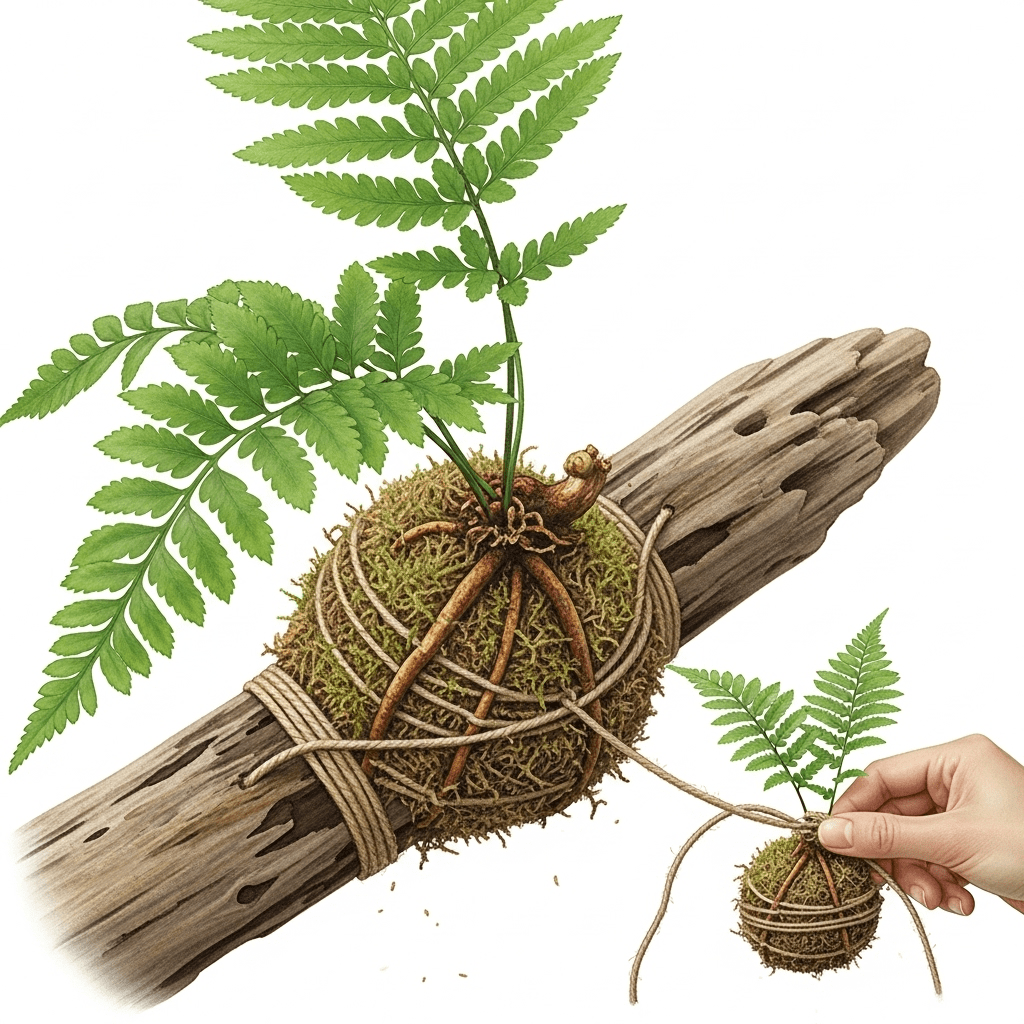
Mounting your epiphytic fern is a rewarding process that enhances its beauty and mimics its natural growth. To start, gather essential materials like driftwood or a wire mesh for the base. First, select a healthy fern with a strong root system and vibrant leaves. Then, secure the roots to the base with fishing line or soft twine, taking care not to damage the plant. As you do this, imagine how the fern will blend into its environment, creating a beautiful display that enhances your space and appreciation for these unique plants.
- Choose Your Mount: Select a piece of cork bark, driftwood, or sturdy wood that complements the size of your fern. Ensure it’s clean and free of pests by thoroughly inspecting it for any signs of unwanted insects or mold. Additionally, consider how the texture and color of the chosen mount will enhance the overall aesthetic of your fern display, creating a harmonious environment for your plant to thrive.
- Prepare the Fern: Gently remove any old soil or loose debris from the fern’s root ball. For larger ferns, you may need to carefully divide them, ensuring that each section has sufficient roots and fronds to thrive. After cleaning, inspect the roots for any signs of rot or disease and trim any unhealthy portions to promote better growth.
- Position the Fern: Carefully place the fern on the mount, ensuring that you position its base exactly where you want it to establish itself for optimal growth and visibility. Take your time to adjust its placement, considering factors such as light exposure and surrounding plants, to enhance the overall aesthetic of your arrangement and encourage the fern to thrive in its new environment.
- Add Sphagnum Moss: Surround the root ball with a generous amount of moist sphagnum moss. This not only provides initial moisture to aid in the establishment of the plant but also offers a natural medium for the roots to grip, enhancing stability and supporting healthy growth during the critical early stages of development.
- Secure the Fern: Use fishing line, floral wire (covered in moss to prevent cutting), or non-toxic twine to carefully secure the fern to the mount, wrapping around the moss and the mount in a methodical manner. Be gentle with the fronds and avoid excessive pressure to ensure no damage occurs. The goal is to hold it firmly until the roots have the opportunity to attach securely to the surface. Patience is key during this process, as your goal is not only stability but also allowing the fern to thrive in its new environment.
- Hang and Admire: Hang your newly mounted fern in a suitable location with appropriate light and humidity, considering the specific needs of the species you’ve chosen. Over time, the roots will attach to the mount, establishing a beautiful natural connection. You can eventually remove the securing material if desired, allowing the plant to grow freely and showcase its unique character as it adapts to its new environment. Regularly check on your fern’s growth and make adjustments to its placement if necessary to optimize its light exposure and moisture levels.
Troubleshooting Common Issues
Even with the best care, you might encounter some common challenges:
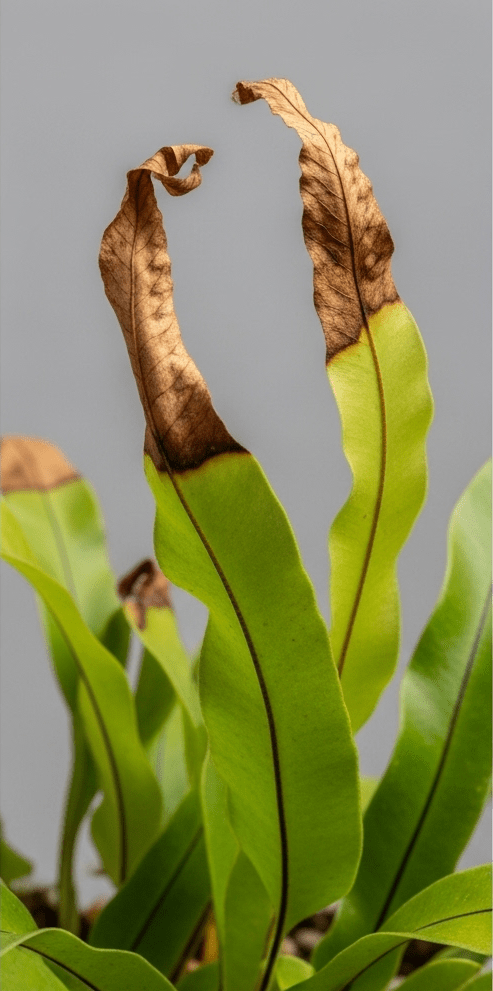
- Brown, Crispy Frond Tips: Almost always a sign of low humidity in the environment. In order to ensure the health of the plant, it is crucial to increase humidity levels immediately. This can be achieved by misting the leaves regularly, placing a humidifier nearby, or using a pebble tray filled with water to create a more favorable atmosphere for growth.
- Yellowing Fronds: Can indicate overwatering (roots are suffocating) or nutrient deficiency. This condition can lead to poor overall health in your plant, affecting its growth and vitality. It is essential to check your watering schedule thoroughly, ensuring that your plant receives the right amount of moisture for its specific needs. Additionally, consider a weak fertilizer application to replenish any lost nutrients, which can help in restoring the lush green color of the fronds and support the plant’s recovery.
- Slow Growth/Stunted Appearance: Often due to insufficient light or lack of nutrients, which can significantly impact overall plant health and vigor. Ensure adequate indirect light during the day and regular, dilute fertilization to promote proper growth and development. Additionally, monitor watering practices and adjust as needed to prevent root issues.
- Pests: Epiphytic ferns are generally resistant, but mealybugs or scale can sometimes appear, particularly in conditions that are overly moist or where air circulation is restricted. Isolate affected plants immediately to prevent the pests from spreading to other healthy plants, and treat them with horticultural oil or insecticidal soap, applying as directed for best results. Ensure good air circulation around your plants to help mitigate moisture levels and discourage future infestations.
Top 5 Easy-Care Epiphytic Ferns for Beginners
Looking to start your epiphytic fern journey? Here are some excellent choices known for their forgiving nature:
- Bird’s Nest Fern (Asplenium nidus):
Adaptable to a range of indoor conditions, robust, and beautiful. - Staghorn Fern (Platycerium bifurcatum):
The most common Staghorn, relatively hardy once established, and incredibly rewarding to watch grow. - Lemon Button Fern (Nephrolepis cordifolia ‘Duffii’):
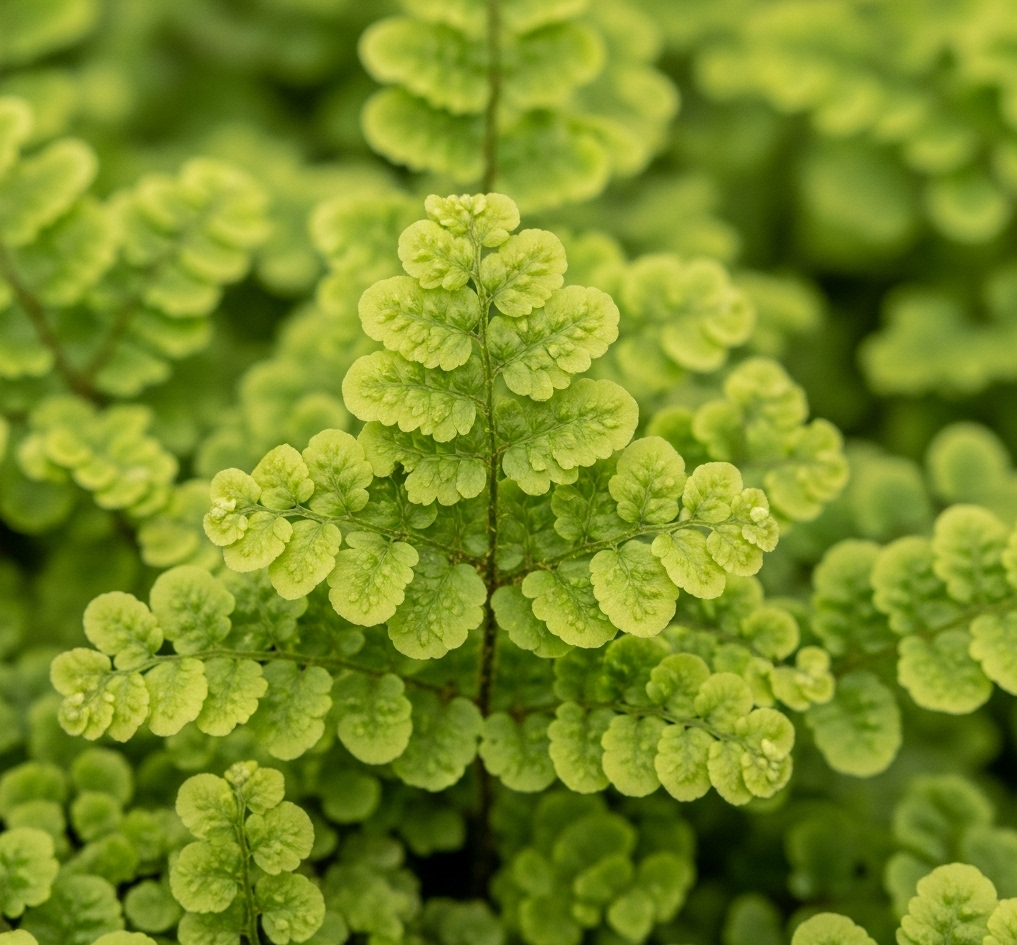
While often grown in pots, its small size and preference for high humidity make it a great candidate for terrariums or smaller mounts. - Kangaroo Paw Fern (Microsorum diversifolium):
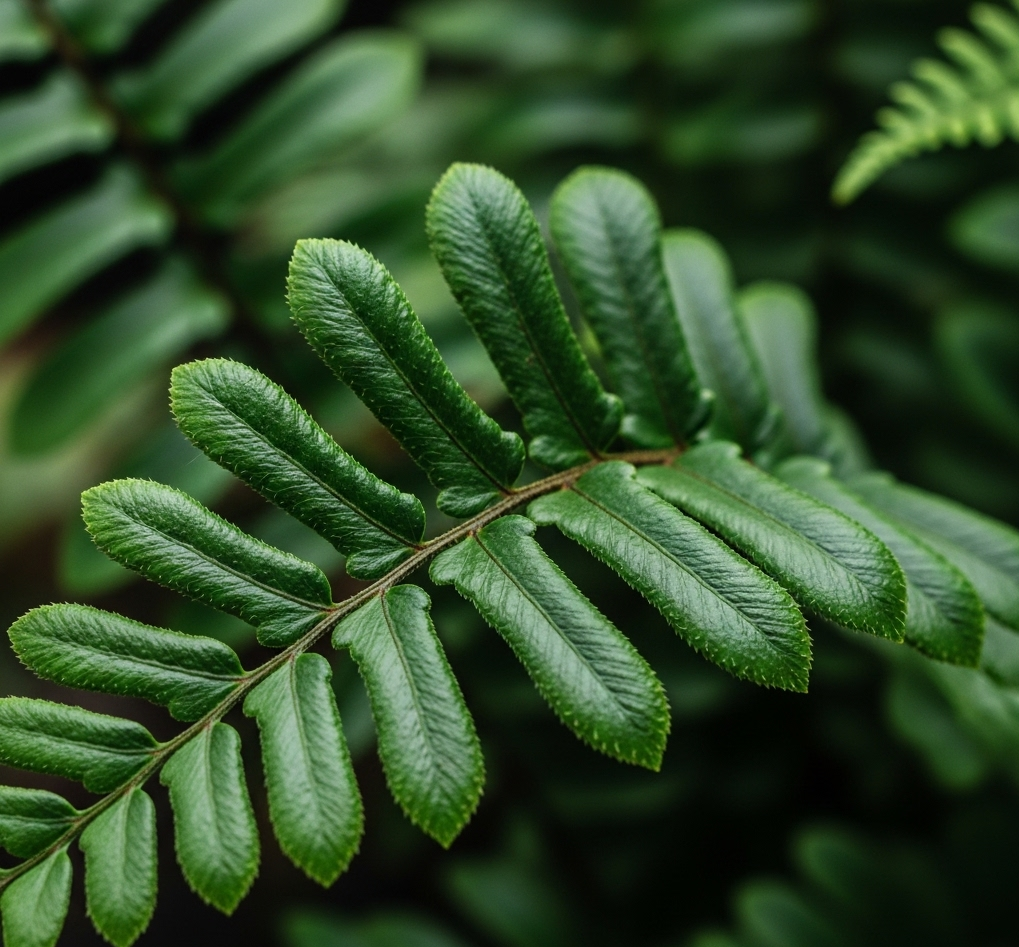
Known for its unique, glossy fronds and vigorous growth, it tolerates slightly drier conditions than some other epiphytes. - Rabbit’s Foot Fern (Davallia fejeensis):
Its charming fuzzy rhizomes and delicate foliage are a delight, and it’s quite resilient.
We hope this deep dive has inspired you to explore the captivating world of epiphytic ferns! These extraordinary plants not only enhance the aesthetics of your indoor and outdoor spaces, but they also offer a unique way to bring lush, living art into your home and garden.
By incorporating epiphytic ferns into your landscape, you create a stunning visual display that connects us to the vibrant ecosystems of their natural habitats, showcasing their extraordinary adaptability and beauty. Whether you choose to mount them on driftwood, hang them in terrariums, or allow them to cascade gracefully from shelves, these ferns are sure to spark joy and curiosity.
Happy growing!
 The Wax & The Bloom
Leave a comment