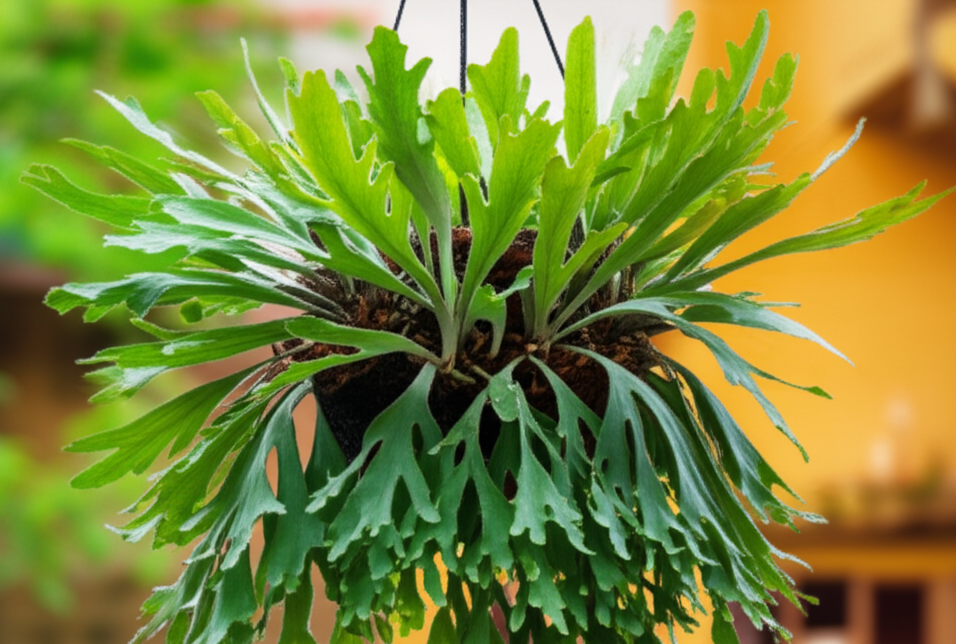
Hello, fellow epiphyte lovers! In our last post, we took a “deep dive” into the general care and fascinating nature of epiphytic ferns. Today, we’re going even further, exploring the incredible diversity of species and varieties within this captivating group. Just like with orchids or bromeliads, the world of epiphytic ferns offers a vast array of forms, textures, and growth habits, ensuring there’s a perfect aerial fern for almost any plant enthusiast.
Let’s journey through some of the most popular and unique epiphytic fern genera, uncovering the specific varieties that make them so special.
The Majestic Staghorn Ferns (Platycerium spp.)
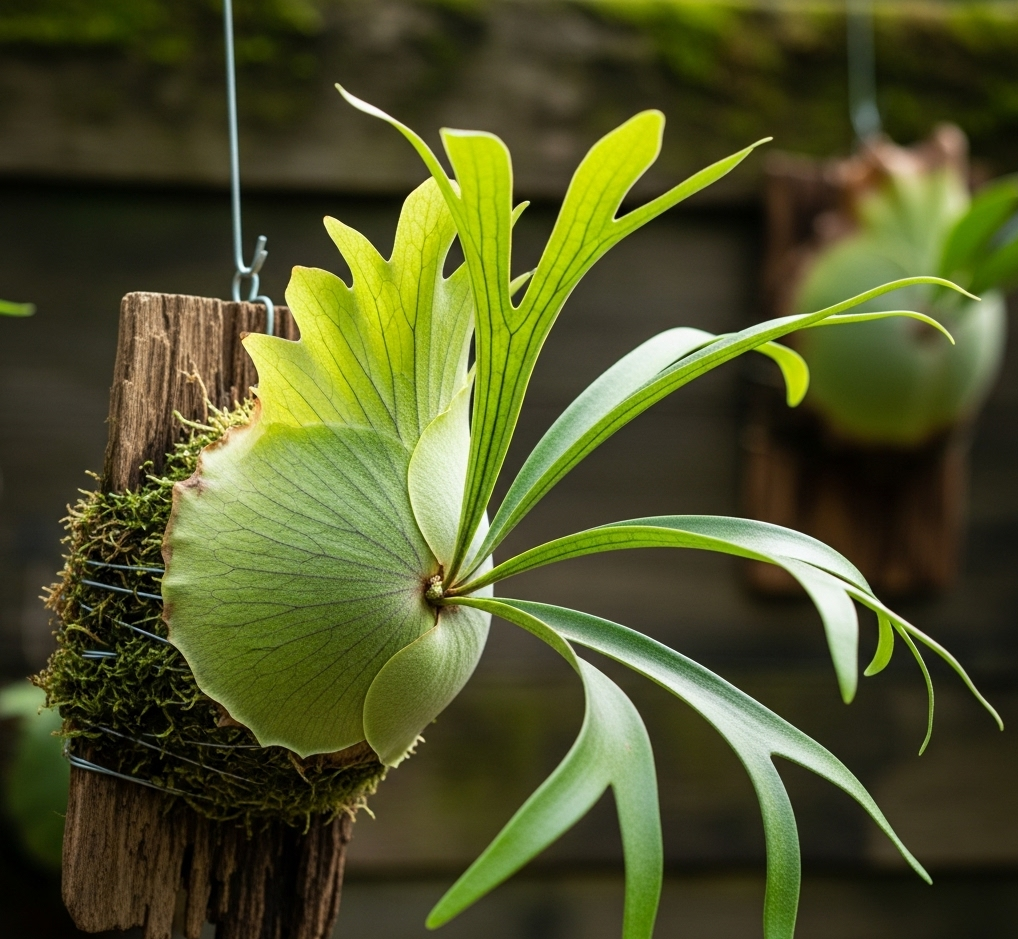
Staghorn ferns are undoubtedly the rockstars of the epiphytic fern world, and their popularity is well-deserved. While many beginners start with the common Platycerium bifurcatum (often simply called “Staghorn Fern”), the genus offers much more to explore:
- Platycerium bifurcatum (Common Staghorn Fern):
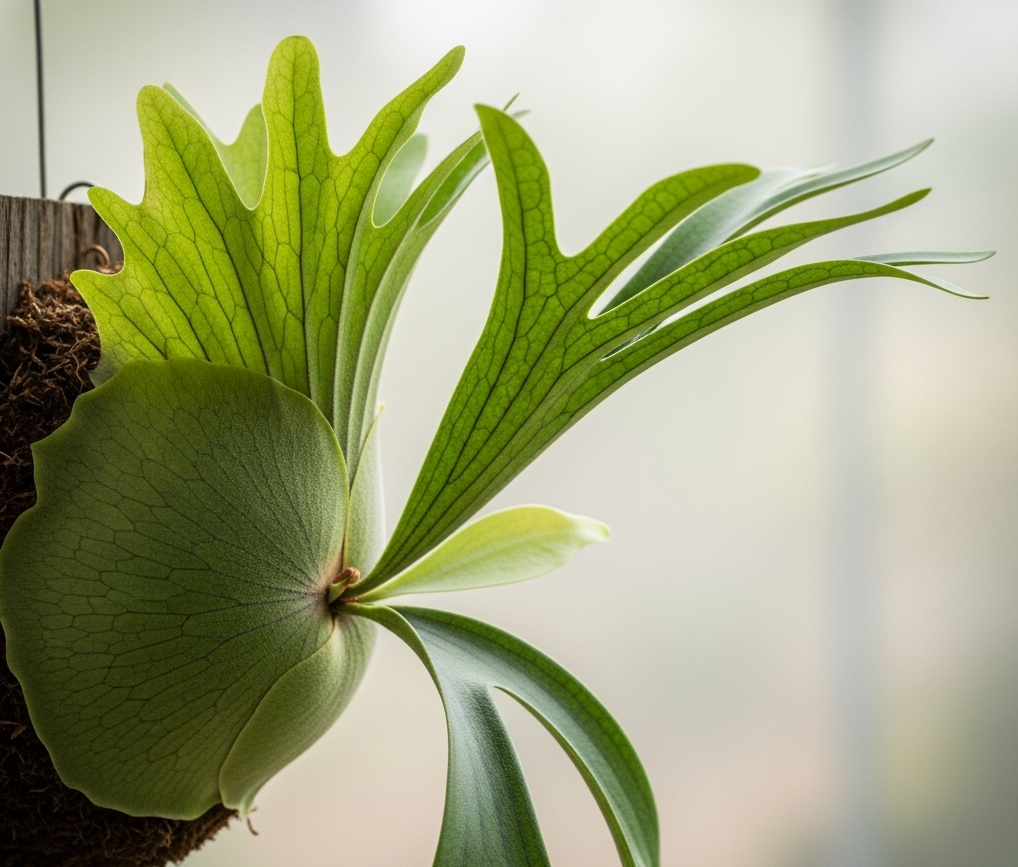
This is your go-to for its relative hardiness and classic antler-like fronds. It’s often found in both “normal” and “Netherlands” forms, which might have slightly different frond characteristics. - Platycerium superbum (Superb or Crown Staghorn):
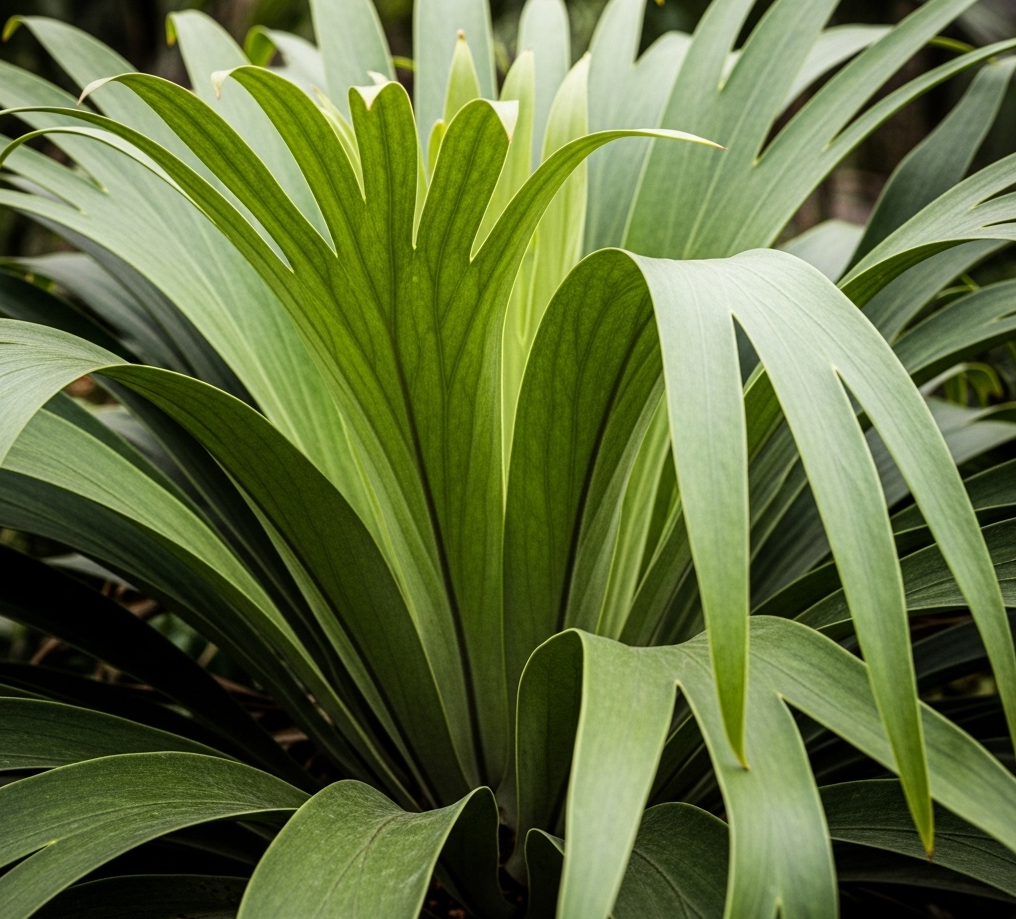
A truly impressive species known for its large, upright, crown-like sterile fronds and dramatic, arching fertile fronds. It requires more space and often higher humidity. - Platycerium ridleyi (Elephant Ear Staghorn):
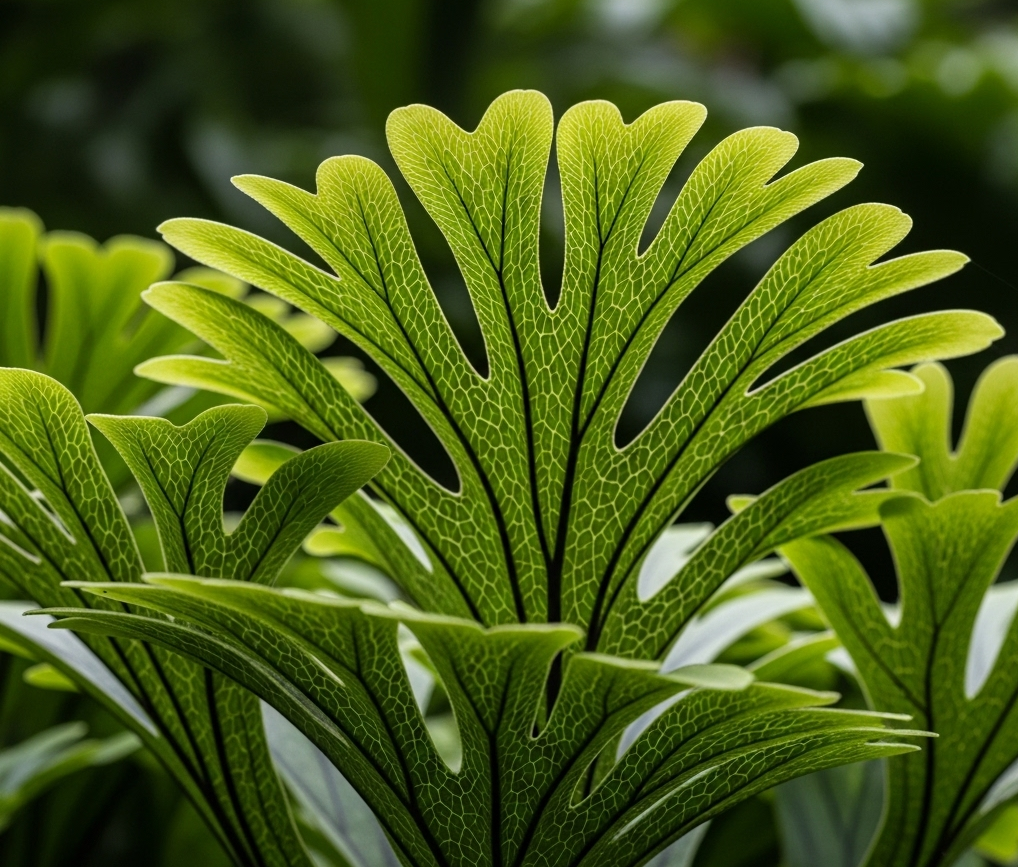
Recognizable by its deeply lobed, veined shield fronds that resemble an elephant’s ear. This is a more challenging species that thrives in very high humidity and specific care. - Platycerium wandae (Queen Staghorn):
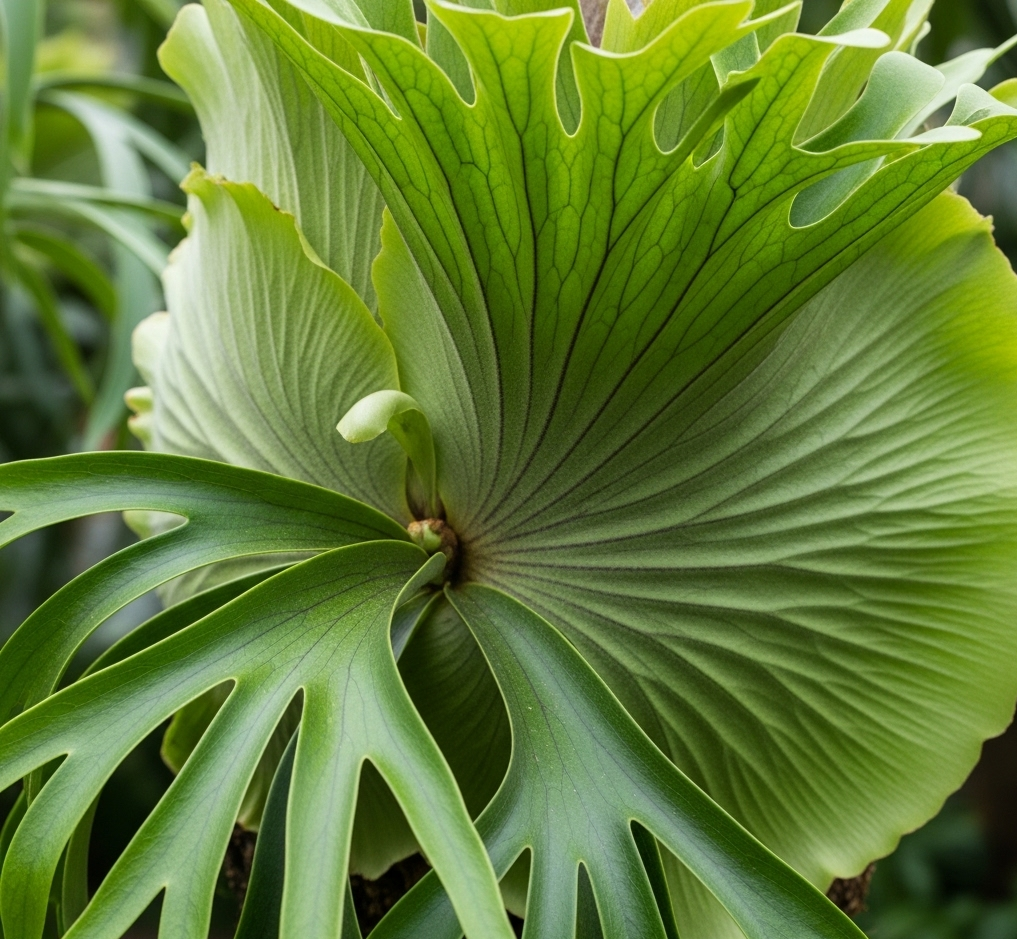
Similar to P. superbum but with distinctive, ruffled lobes on its shield fronds. Another large, show-stopping specimen.
Key Characteristic: All Platycerium species have two types of fronds (shield and fertile) that differ in shape, texture, and size. The shield fronds anchor the plant and are usually broad, creating an impressive display. In contrast, the fertile fronds are elongated and dynamic, with textures ranging from soft to slightly coarse. This diversity enhances the beauty of these ferns and shows their adaptability to different environments, making them intriguing to horticulturists and nature lovers. Each species has subtle differences, adding to the complexity and interest of these ferns.
Elegant Bird’s Nest Ferns (Asplenium spp.)
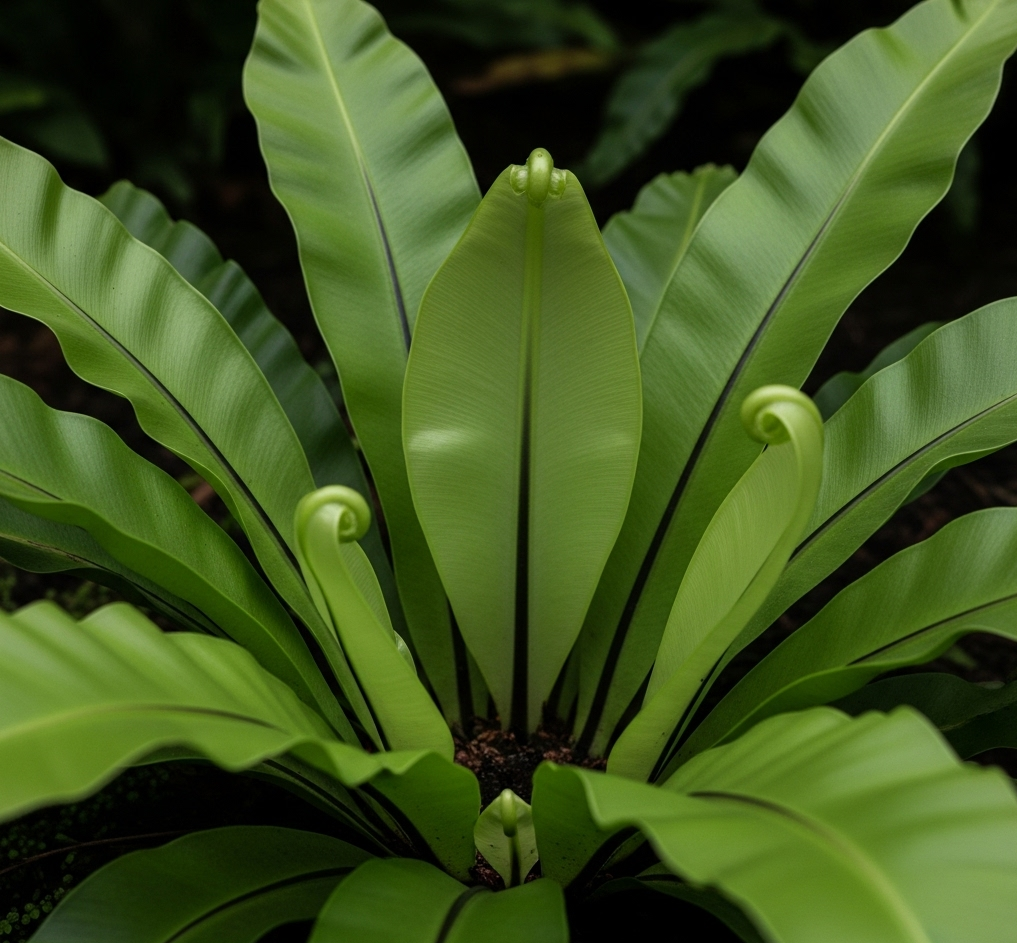
Known for their beautiful, rosette-forming growth, Bird’s Nest Ferns are a staple for indoor epiphyte collections. While Asplenium nidus is the most common, breeders have introduced some stunning variations:
- Asplenium nidus (True Bird’s Nest Fern):
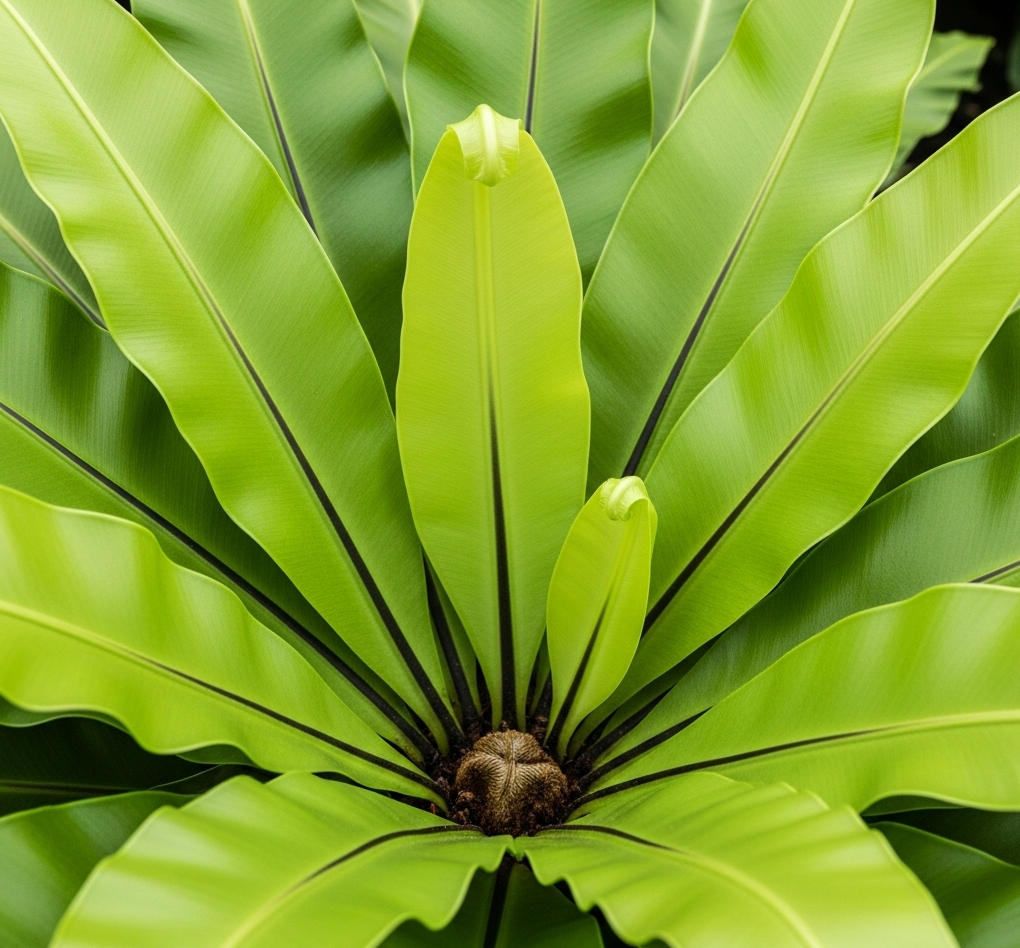
The classic, with broad, bright green, undivided fronds forming an upright, vase-like shape. - Asplenium nidus ‘Crispy Wave’:
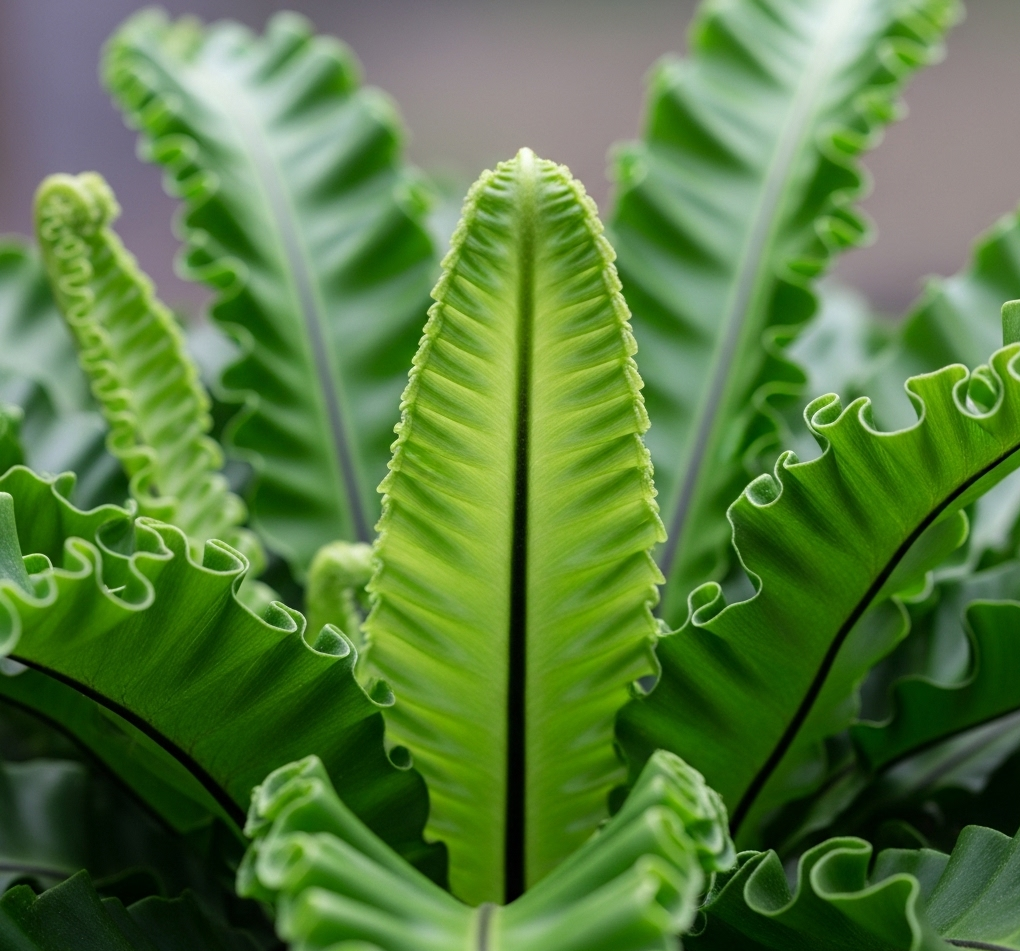
A very popular cultivar with strikingly ruffled and wavy frond margins, giving it a unique, almost sculptural appearance. It’s compact and very attractive. - Asplenium nidus ‘Osaka’:
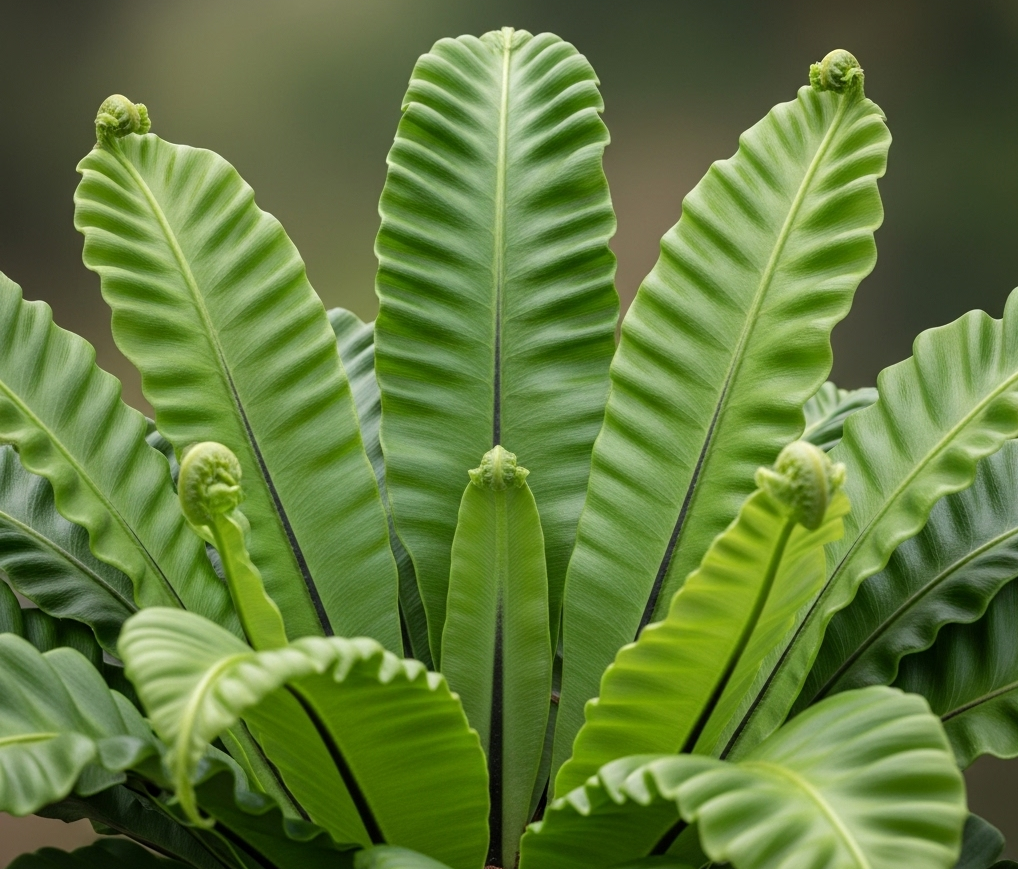
Features more elongated, rippled fronds that cascade outwards, creating a graceful, flowing effect. - Asplenium antiquum (Japanese Bird’s Nest Fern):
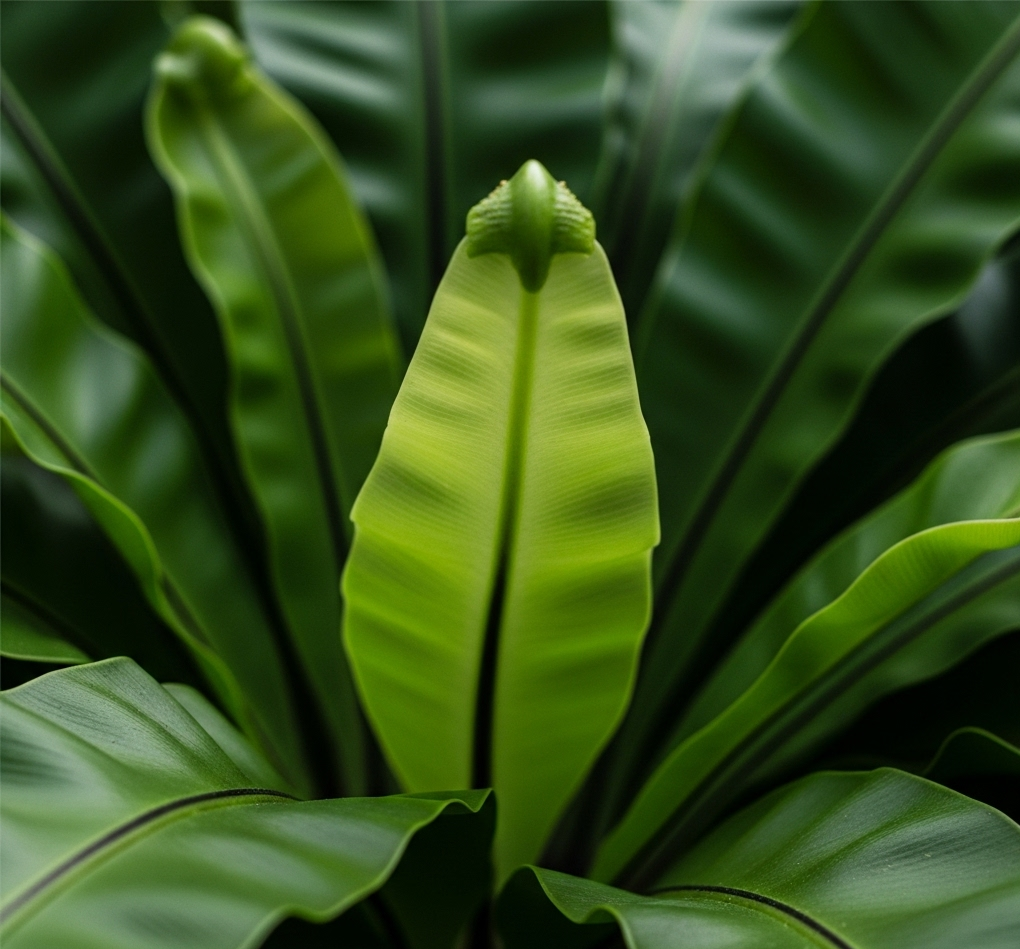
Often confused with A. nidus, but typically has slightly narrower, more lance-shaped fronds and can tolerate cooler temperatures.
Key Characteristic: Their “nest” shape effectively collects falling debris and rainwater, providing nutrients and moisture directly to the plant’s center. This unique structure acts as a natural reservoir, ensuring that the plant has constant access to essential resources, particularly during dry spells. Additionally, the design helps to promote a healthier ecosystem by attracting beneficial insects and microorganisms, which further contribute to the plant’s growth and resilience. By creating a microhabitat, these plants maximize their chances of thriving in various environmental conditions, making them an integral part of their surroundings.
Resilient Polypody Ferns (Polypodium spp. & related)
This diverse group includes some of the most adaptable epiphytic ferns, known for their ability to withstand periods of drought.
- Polypodium polypodioides (Resurrection Fern):
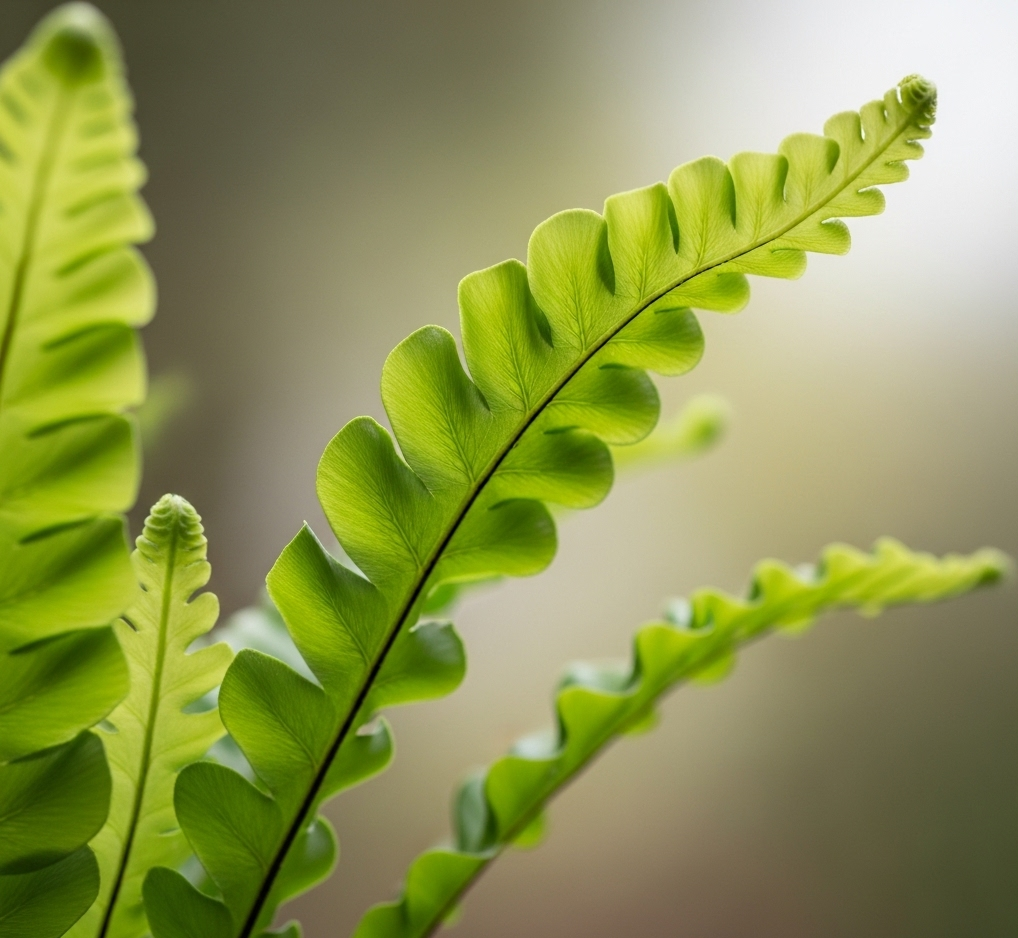
A marvel of nature, this fern’s fronds curl and shrivel during dry spells, appearing dead, only to unfurl and green up vibrant green again with moisture. Native to humid subtropical regions, it’s often seen growing on oak trees. - Phlebodium aureum (Blue Star Fern):
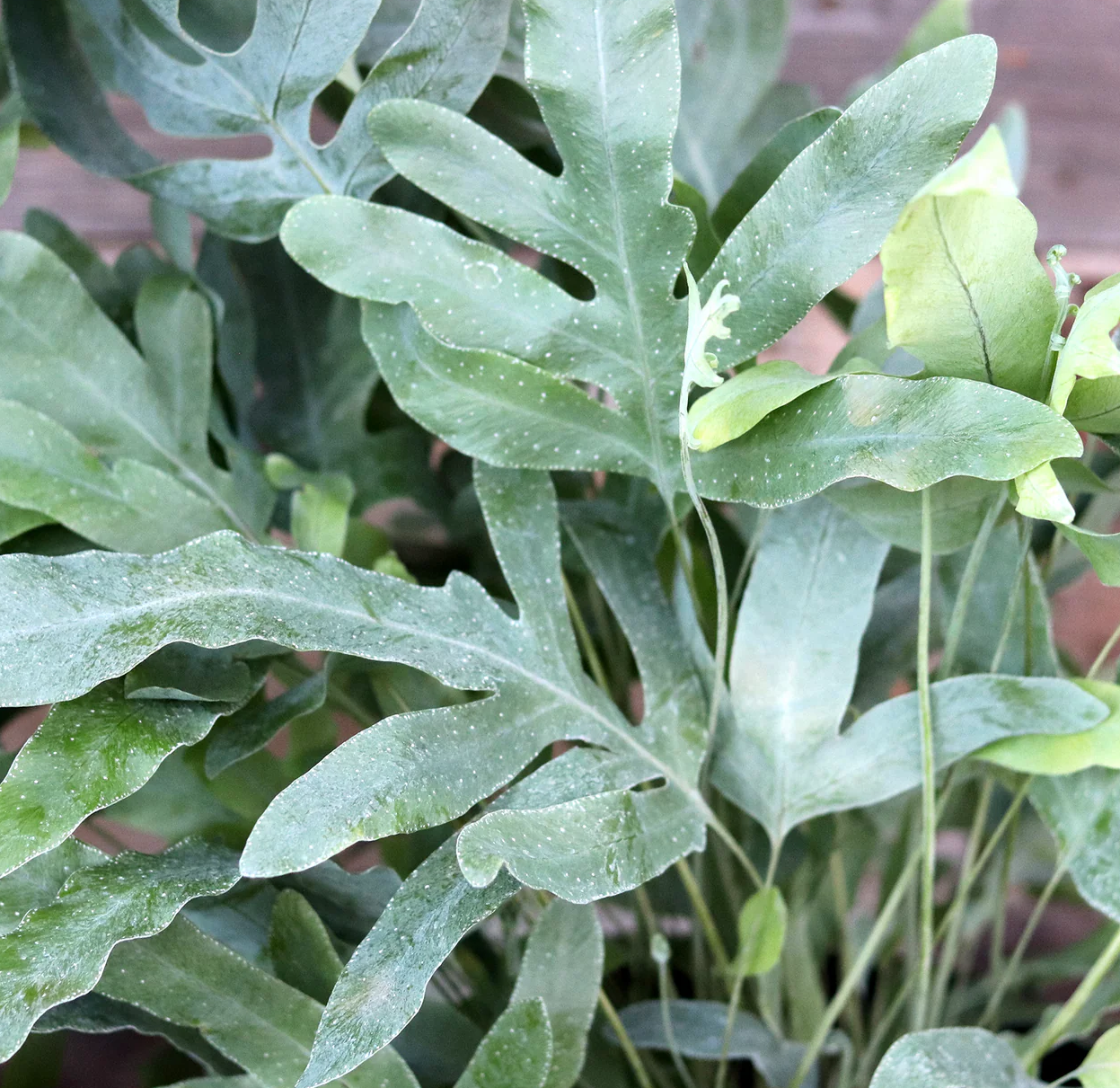
While often sold as a potted plant, its thick, creeping rhizomes and preference for good air circulation make it suitable for mounting as an epiphyte. Its fronds are a striking blue-green, sometimes with an undulating margin. Cultivars like ‘Davana’ offer even more deeply lobed fronds. - Polypodium scouleri (Scouler’s Polypody):
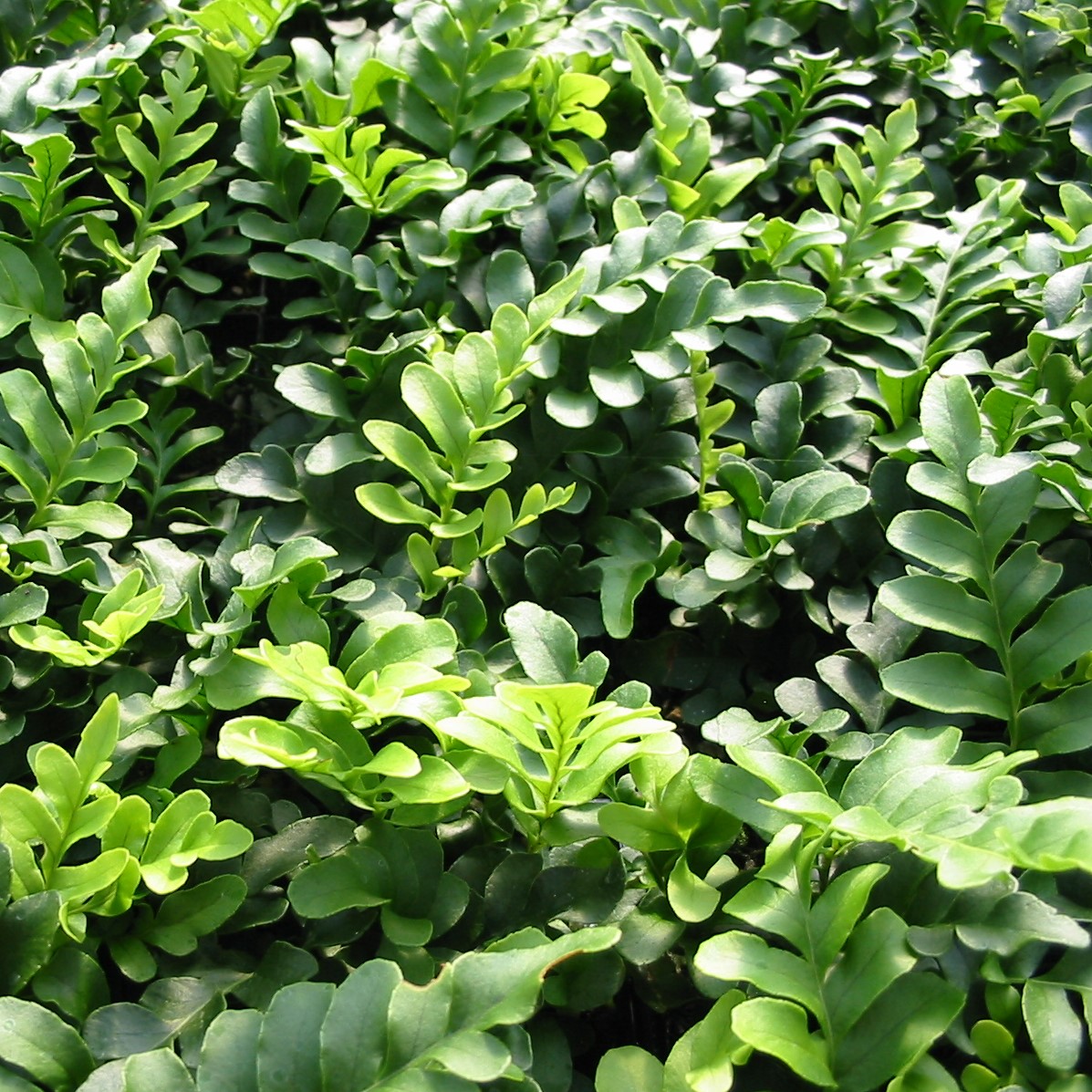
A robust, leathery-fronded species found on trees along the Pacific coast, known for its ability to tolerate salt spray.
Key Characteristic: Many Polypody ferns have prominent, creeping rhizomes (often fuzzy) that not only help them anchor to various substrates but also allow them to spread over time and create lush ground cover. These remarkable plants are well-adapted to a range of environments and possess the unique ability to recover from significant dehydration, demonstrating resilience in challenging conditions. This adaptability ensures that they can thrive in both shaded woodlands and rocky crevices, making them a versatile choice for gardens and natural landscapes alike.
Charming Rabbit’s Foot Ferns (Davallia spp.)
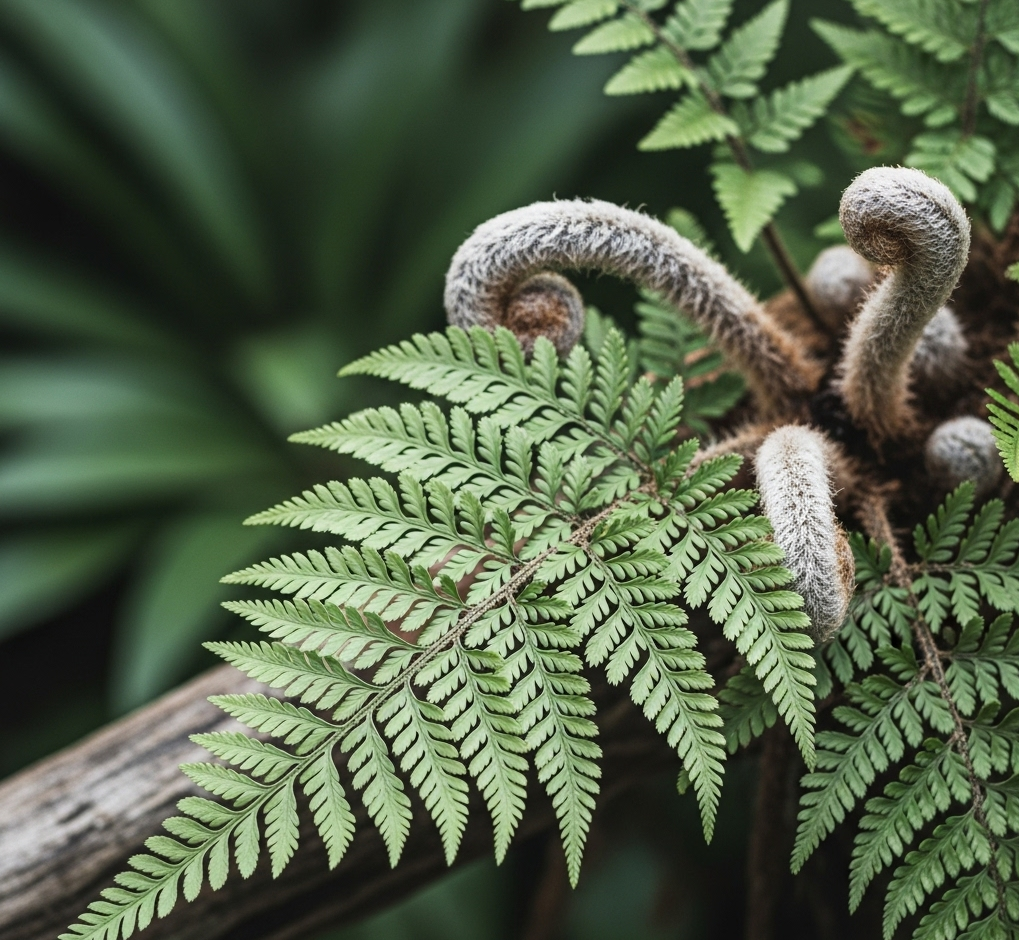
These ferns are named for their charming, fuzzy rhizomes that indeed resemble a rabbit’s foot. They are perfect for hanging baskets or mounting where their rhizomes can trail freely.
- Davallia fejeensis (Rabbit’s Foot Fern):
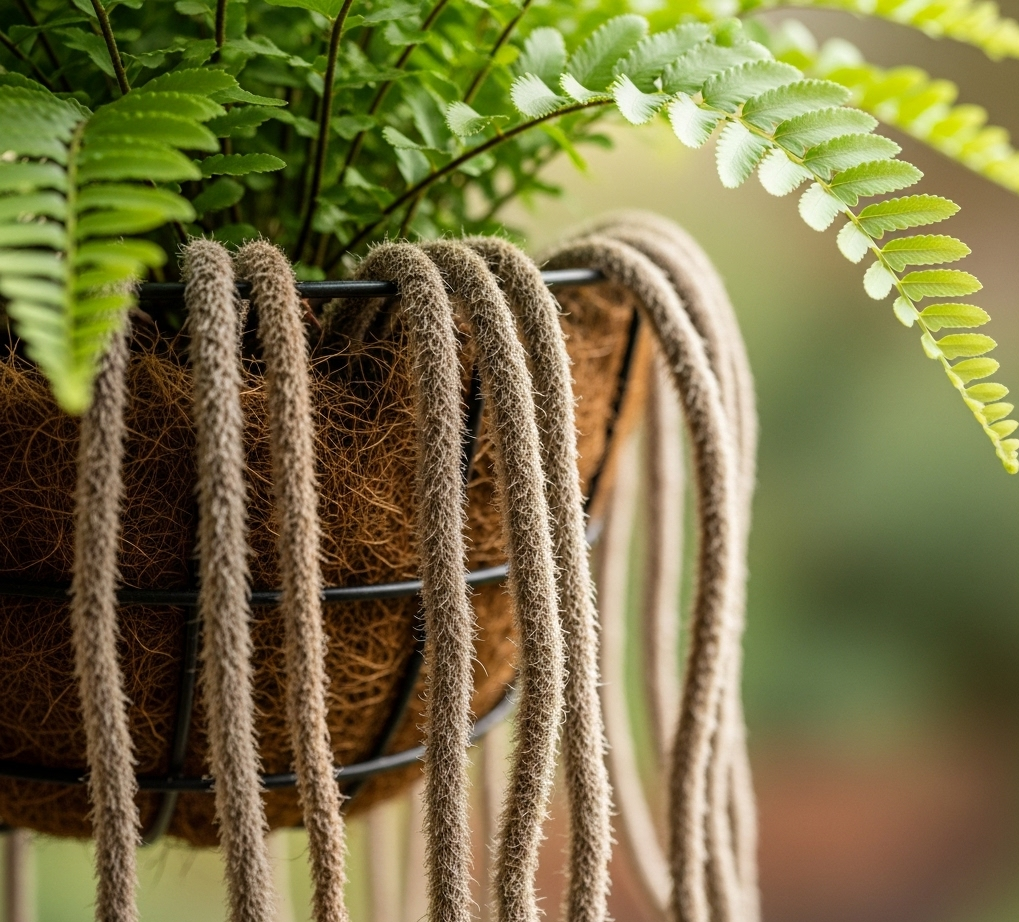
The most common species, with delicate, lacy fronds and noticeable furry, silver-brown rhizomes. - Davallia canariensis (Deer’s Foot Fern):
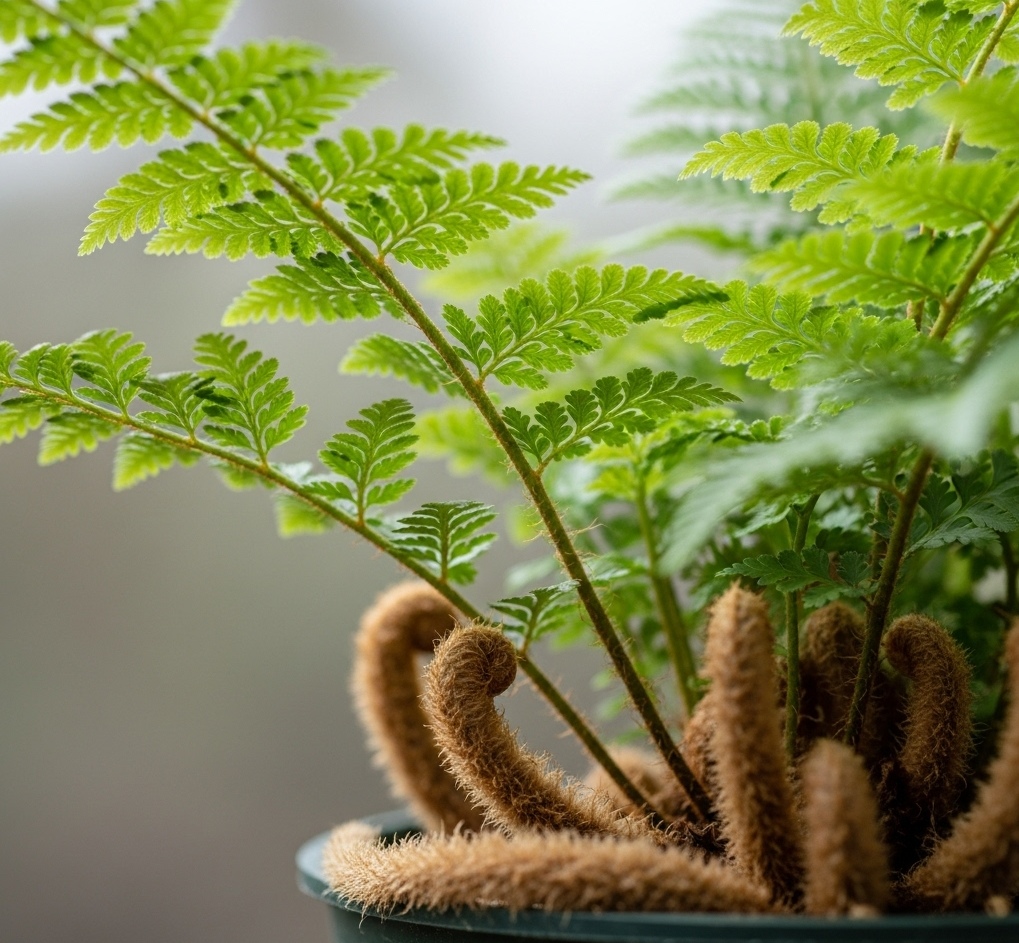
Similar to D. fejeensis but often with slightly larger rhizomes and a slightly more open frond structure. - Davallia solida (Ball Fern):
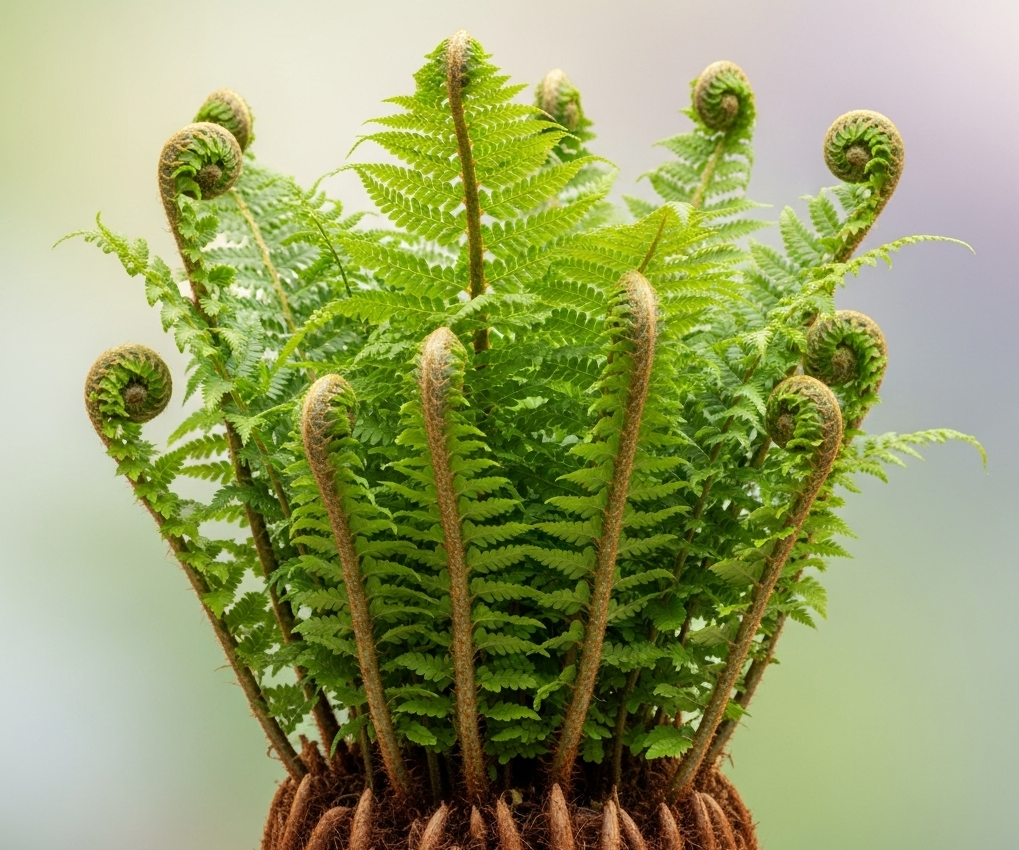
Can grow quite large, forming dense clumps with robust rhizomes.
Key Characteristic: The distinct, furry rhizomes are not just decorative; they help the plant cling to surfaces and absorb moisture, effectively anchoring it in place even in challenging environments. These specialized structures play a vital role in the plant’s overall health, allowing it to draw essential nutrients from the surrounding soil while also providing stability during strong winds or heavy rains. Additionally, the unique texture of the rhizomes enhances the plant’s ability to interact with its ecosystem, fostering relationships with beneficial microorganisms that further aid in nutrient absorption and moisture retention.
Unique Felt Ferns (Pyrrosia spp.)
For those seeking something a bit more unusual, Pyrrosia ferns offer unique textures and fascinating adaptations. Their fronds are typically leathery and often covered in a fine, star-shaped hair (indumentum), giving them a felt-like appearance.
- Pyrrosia lingua (Tongue Fern):
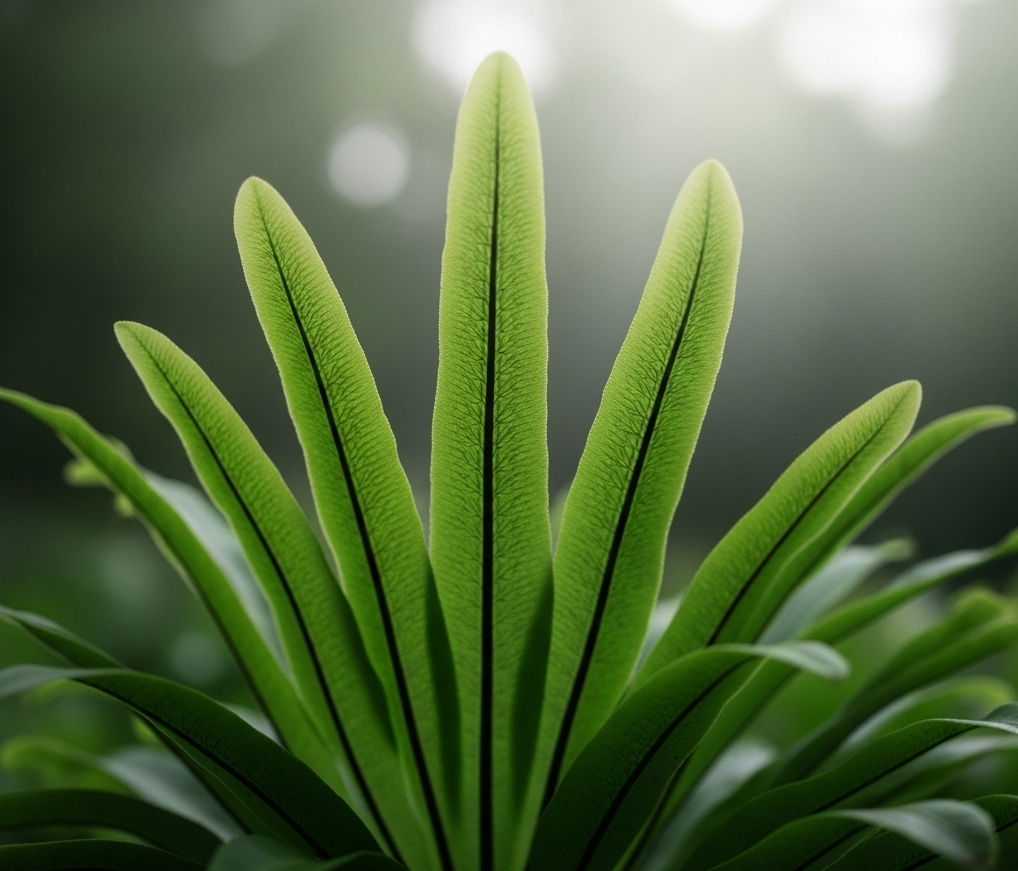
Known for its elongated, tongue-shaped fronds that can be quite rigid. Varieties like ‘Cristata’ have crested or bifurcated tips. - Pyrrosia hastata:
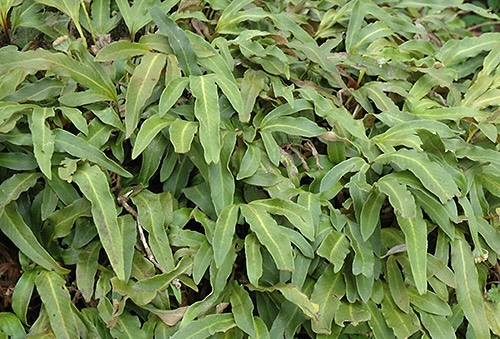
Features distinctive, spear-shaped fronds. - Pyrrosia piloselloides (Coin Fern):

A smaller, creeping species with round, coin-like sterile fronds and longer, narrower fertile fronds. Often used in terrariums or on smaller mounts.
Key Characteristic: The felt-like coating on their fronds plays a significant role in reducing water loss, making these unique ferns remarkably more tolerant of drier air compared to many other epiphytic ferns. This adaptive feature not only ensures their survival in challenging environments but also contributes to their ability to thrive in various conditions, allowing them to flourish in places where humidity may fluctuate. As a result, these ferns display a remarkable resilience that enables them to capture moisture effectively, which is essential for their growth and overall health while also enhancing the biodiversity of the ecosystems they inhabit.
Choosing Your Next Epiphytic Fern Adventure
When choosing a new epiphytic fern species, it’s essential to consider growing conditions such as humidity and space requirements, as these ferns thrive in high moisture environments. The variety of epiphytic ferns, from the delicate Lecanopteris to the striking Platycerium, offers options for both beginners and experienced gardeners. Incorporating these ferns into indoor spaces not only enhances aesthetics but also contributes to a lush atmosphere. With the right care, including proper light, suitable substrates, and humidity maintenance, these ferns can flourish, enriching your indoor gardening experience.
Happy growing!
 The Wax & The Bloom
Leave a comment