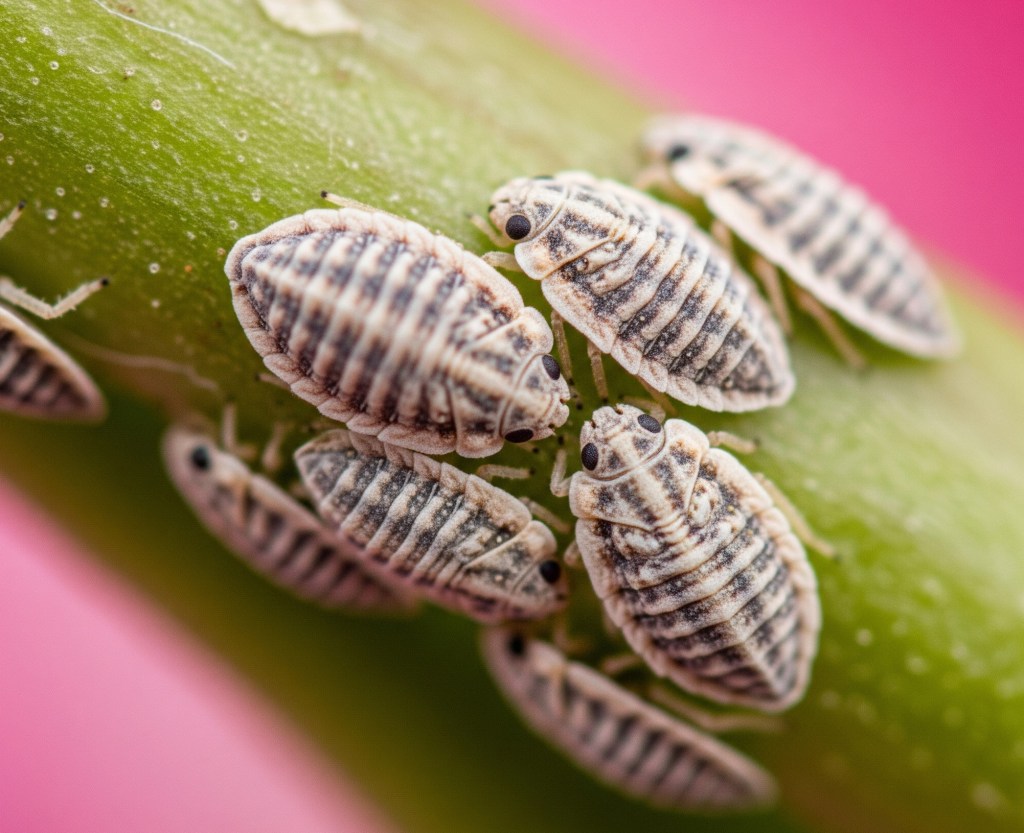
You love your plants. You spend time watching them grow, admiring their beauty. But what if something super tiny, almost invisible, slowly drains their life, making them look sad and lackluster over time? It’s a frustrating mystery for many plant parents. Say hello to the sneaky, silent assassins of the plant world: scale insects! People often mistake them for weird bumps, tiny scabs, or just part of the plant because they blend in well. But don’t be fooled, these little terrors can quickly become a real headache for your green buddies, causing subtle damage that can add up!
In this guide, we’ll examine scale insects in depth. We’ll show you how to spot them, explain why they’re so damaging, and give you the best ways to eliminate them and keep them from returning.
What Exactly Are Scale Insects? The Basics
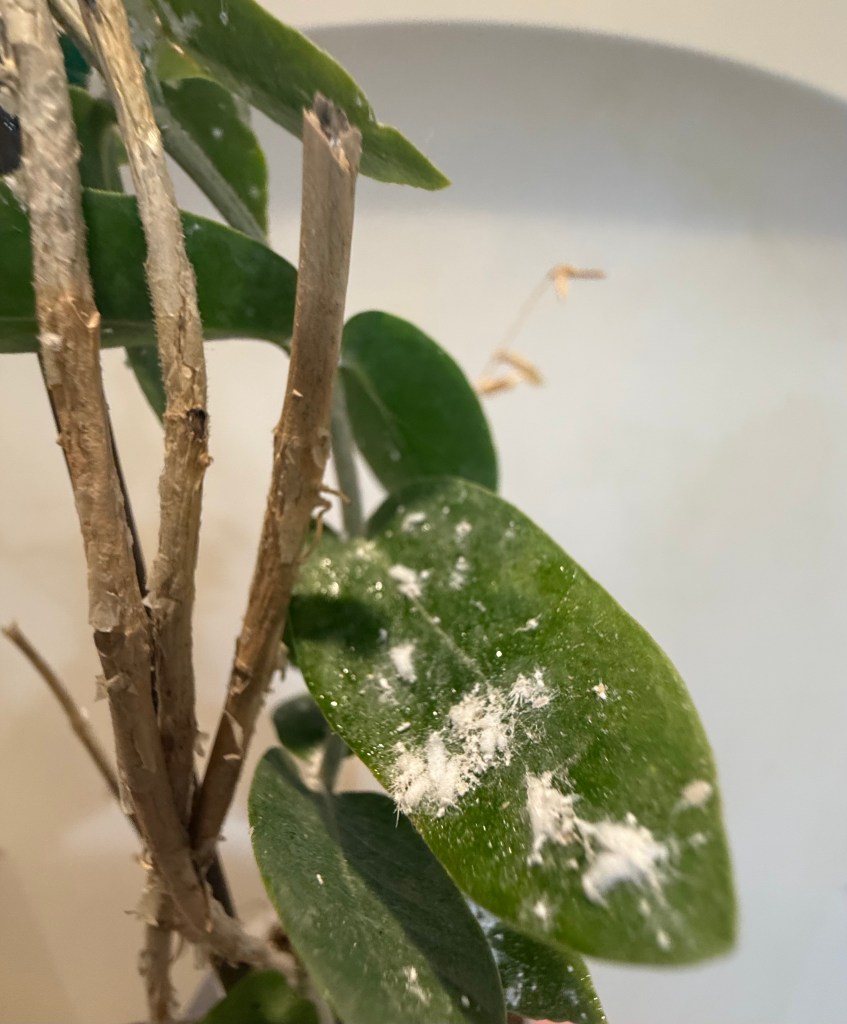
Scale insects are a diverse group of sap-sucking pests from the superfamily Coccoidea. They’re equipped with specialized mouthparts, almost like a tiny straw, to pierce the plant’s tissues and draw out its vital sap. This constant feeding weakens the plant over time. Unlike more mobile pests like aphids, adult scale insects are largely immobile once they settle down to feed. They cement themselves onto stems, leaves, and fruit, fixing them in place. This stationary nature, combined with their often camouflaged appearance, sometimes looking like tiny scabs, unusual growths, or even just natural bumps on the bark, makes them incredibly tricky to spot until an infestation is underway. You might not realize what you’re looking at until the problem is significant!
There are thousands of species, but they generally fall into two main categories:
- Soft Scales produce a smooth, waxy covering that can be easily scraped off with a fingernail. They’re notorious for excreting a sticky, sugary substance called honeydew. This honeydew is essentially excess plant sap that they’ve processed, and it can make your plant feel tacky to the touch. Examples include common culprits like brown soft scales and hemispherical scales, often found on citrus, ferns, or scheffleras.
- Armored Scales: These create a much harder, more protective “armor” over their bodies. This shell isn’t part of their body; it’s a separate covering made from shed skins and wax, providing them with a rigid shield. Because of this armor, they do not produce honeydew. Examples include the notorious San Jose scale on fruit trees and the obscure scale on oak trees. This hard shell makes armored scales particularly challenging to control with contact pesticides, as the spray can’t penetrate their tough exterior easily.
Their life cycle typically involves eggs, which hatch into a mobile stage called “crawlers.” These tiny, newly hatched nymphs are the most vulnerable stage. They’re actively moving around, seeking out new feeding sites on the plant before they settle down, lose their legs (in many species), and develop their characteristic protective scale. This “crawler” stage is often your best window for effective treatment!
Signs of a Scale Infestation: How to Spot Them

Catching a scale infestation early is key to successful management. Here’s what to look for:
- Visual Identification: The most obvious sign is the presence of small, immobile bumps on plant stems, leaves (especially the undersides!), and sometimes even fruit. These “bumps” can vary in color (white, brown, black, gray, even pinkish) and shape (oval, circular, elongated), often blending in with the plant’s natural texture.
- Honeydew: If you have soft scales, you’ll notice a shiny, sticky residue on the leaves, stems, or even the floor or furniture beneath the plant. This is the sugary honeydew they excrete.
- Sooty Mold: A black, powdery growth often accompanies honeydew. This is sooty mold, a fungus that grows on the sugary excretions. While sooty mold doesn’t directly infect the plant, it blocks sunlight, hindering photosynthesis and weakening the plant over time.
- Plant Symptoms: As scales feed, your plant will show signs of distress. Look for yellowing leaves, stunted growth, wilting, premature leaf drop, and in severe cases, branch dieback.
- Ants: If you see ants crawling on your plant, investigate closely! Ants often “farm” soft scales for their honeydew, protecting them from predators in exchange for the sugary treat.
Why Are Scale Insects So Damaging?
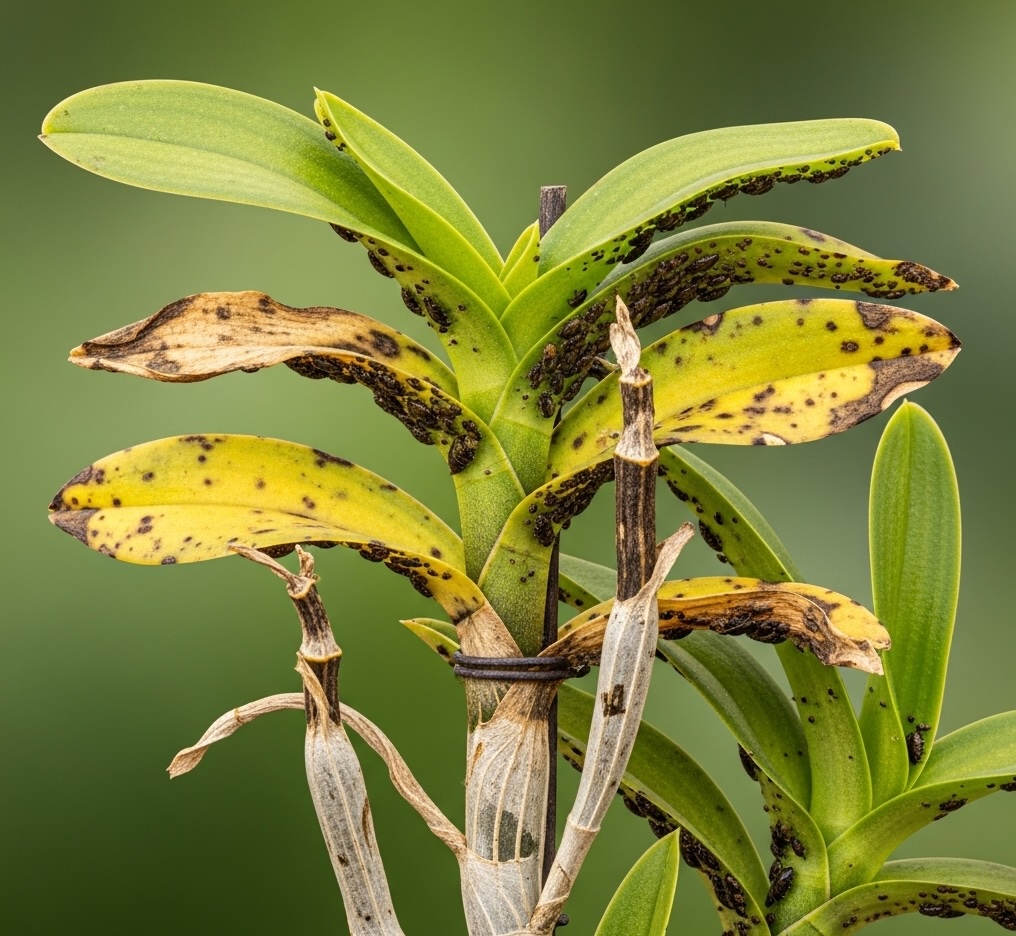
Scale insects are voracious sap-suckers, meaning they have a serious appetite for your plant’s internal fluids. As they feed, they essentially siphon off the plant’s vital nutrients and water, much like tiny vampires slowly draining the life out of it. This continuous drain on your plant’s resources can lead to a cascade of problems:
- Nutrient Deficiency: Imagine trying to thrive when your food supply is constantly stolen! That’s what happens to your plant. This depletion of essential nutrients results in noticeable symptoms like yellowed, dull, or stunted foliage. Leaves might not grow to their full size or turn pale and sickly, signaling that the plant isn’t getting the building blocks it needs to stay strong and vibrant.
- Reduced Photosynthesis: This is a big one! Sooty mold, particularly when covering leaves, acts like a dark blanket, blocking precious sunlight. Since plants use sunlight to create their energy through photosynthesis, reducing light means reducing “food” production. This directly impacts the plant’s ability to grow, flower, or maintain basic health. Think of it like trying to run on an empty stomach!
- Stress and Weakness: A plant constantly attacked by feeding scales is under immense stress. This ongoing drain weakens its immune system, making it much more susceptible to other problems. It becomes an easier target for diseases, fungal infections, or environmental stressors like temperature fluctuations or inconsistent watering. A healthy plant can usually bounce back from minor issues, but a scale-ridden plant is already fighting an uphill battle.
- Death: If left unchecked, a severe, untreated scale infestation can be truly devastating. The cumulative effect of nutrient depletion, hindered photosynthesis, and overall stress can lead to significant defoliation (all the leaves falling off), branch dieback, and ultimately, the complete demise of your beloved plant. It’s a slow, sad decline, but one that’s preventable with timely intervention.
Controlling Scale Insects: Your Battle Plan
Don’t despair if you find scale! While they can be persistent and tricky to eliminate, know that a multi-pronged approach usually brings success. It might take patience and consistency, but your plants are worth it!
- Manual Removal (for light infestations): This is your first line of defense, especially for smaller plants or when you catch the infestation early.
- Scraping: For thicker stems or leaves, gently scrape off scales with a fingernail, a dull plastic card, or even an old toothbrush. The goal here is to physically detach them from the plant, which often kills them or at least dislodges them so they can’t feed. Just be careful not to damage the plant tissue!
- Rubbing Alcohol: This is a fantastic trick for those stubborn scales. Dip a cotton swab or ball in rubbing alcohol (70% isopropyl alcohol is perfect) and gently wipe or dab each scale. The alcohol works by dissolving their protective waxy coating, which then dehydrates and kills them. It’s super effective for small to moderate indoor plant infestations. Make sure to get into all the nooks and crannies! You’ll want to repeat these manual checks regularly, every few days, to catch any new scales that might appear.
- Horticultural Oil or Neem Oil: These are popular and generally safer options for pest control.
- How they work: These oils are designed to smother insects by blocking their breathing pores. They’re highly effective against scales, especially the vulnerable “crawler” stage and soft scales without a super hard shell. Neem oil also has insecticidal and repellent properties.
- Application: The key here is thorough coverage. You need to spray all plant surfaces until it’s dripping, including the leaves’ undersides and stems, where scales love to hide. As directed by the product label, you’ll likely need to repeat applications every 7-10 days to catch newly hatched crawlers that emerge after the initial spray.
- Caution: Always test on a small, inconspicuous area of the plant first to ensure no adverse reaction before spraying the whole plant. Also, avoid spraying directly in hot sunlight, which can cause leaf burn. Early morning or late evening sprays are usually best.
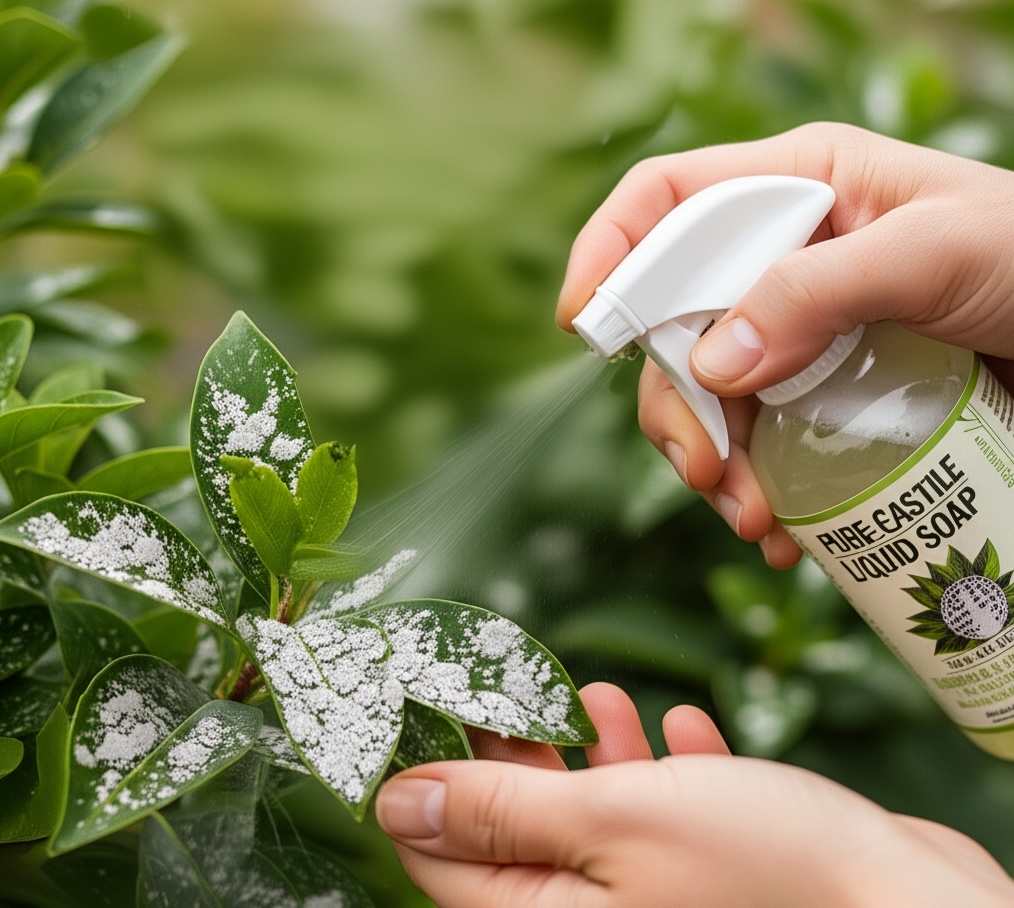
- Insecticidal Soap is another great contact killer for many soft-bodied pests, including scale crawlers. I use Dr. Bronner’s Pure-Castile Magic Liquid Soap (Peppermint, 8 Ounce) found on Amazon.
- How it works: Insecticidal soaps disrupt the insect’s cell membranes, leading to dehydration and death. They are a “contact kill,” meaning the soap has to hit the pest directly to be effective.
- Application: Like oils, thorough coverage is crucial. Spray all infested areas until the plant is dripping wet. Repeat applications as needed, typically every 5-7 days, to keep up with the scale life cycle.
- Note: Make sure you’re using an actual insecticidal soap product, not just dish soap, as dish soap can contain detergents that might harm your plant. If you notice a residue building up on your leaves from repeated applications, you can gently rinse the plant with plain water after a few hours or the next day.
- Systemic Insecticides (for severe cases, use caution): These are generally considered a “last resort” for very heavy infestations or plants that are difficult to treat with contact sprays.
- How they work: The plant absorbs these pesticides (often through the roots if applied as a soil drench or granules) and moves them through its vascular system. When scale insects feed on the plant’s sap, they ingest the insecticide, which becomes toxic. Active ingredients like imidacloprid are common in these products.
- Considerations: It’s essential to use these cautiously, especially for outdoor plants or edibles. Systemic insecticides can impact beneficial insects, including crucial pollinators like bees, if they visit treated plants. Always read product labels meticulously and follow all safety instructions, including warnings about use near water sources or during flowering periods.
- Pruning: Sometimes, the simplest solution is the most effective.
- If branches or leaves are covered in scale and seem beyond saving, it’s often best to simply prune them off. This immediately removes a large portion of the infestation, reducing the overall pest load on the plant.
- After pruning, dispose of the infested plant material in a sealed bag to prevent the scales from spreading to other plants. Also, always remember to sterilize your pruning shears with rubbing alcohol before and after use to avoid spreading pests or diseases!
- Beneficial Insects (for outdoor plants or greenhouses): Nature has its pest control!
- Natural predators like ladybugs, parasitic wasps, and lacewings can be incredibly helpful in controlling scale populations, especially in larger outdoor settings like gardens or greenhouses. These beneficial insects feed directly on the scales (predators) or lay their eggs inside them, eventually killing them (parasitic wasps).
- While less practical for typical indoor houseplants (it’s hard to keep them contained and happy indoors), they are a valuable tool in an integrated pest management strategy for outdoor plants. Encouraging these natural enemies can significantly reduce pest problems if you’re growing outdoors.
Prevention Tips: Keep Your Plants Scale-Free

An ounce of prevention is worth a pound of cure, especially when discussing scale insects! Since they’re so good at hiding and can reproduce quickly, stopping them before they even get a foothold is your best bet.
- Inspect New Plants: This is the most crucial step! Whenever you bring a new plant home from the nursery, a friend, or even a plant swap, it’s like getting a new pet into the house; you want to ensure it’s healthy before it mixes with your existing family. Always quarantine new plant additions for at least 2-4 weeks in a separate area, away from your other green buddies. During this time, become a detective! Thoroughly inspect them daily for visible scales and other hitchhiking pests like spider mites, mealybugs, or aphids. Check the tops and undersides of leaves, along the stems, leaf axils, and even the soil surface. This isolation period gives any hidden eggs time to hatch or any existing pests a chance to show themselves before they can jump onto your established collection. Catching them early here saves you so much trouble down the line!
- Good Plant Hygiene: Consider this as keeping your plant’s living space clean and healthy. Healthy plants are naturally more resilient and better able to fight off pests. Ensure proper watering (not too much, not too little!), adequate light (give them what they need!), and appropriate fertilization (don’t overdo it!). A stressed plant is weak, and weak plants are like a flashing “Eat Me!” sign for pests. Also, make it a habit to remove any dead, yellowing, or decaying leaves or plant debris from the pot and the surrounding area. These can be perfect hiding spots for pests or even breeding grounds for fungal issues. A clean environment means fewer places for pests to lurk and multiply.
- Regular Inspection: Even if you don’t have new plants, make plant inspection a routine. It’s like a health check-up for your green friends! Make it a habit to inspect your plants regularly, once a week when you water them. Pay close attention to the undersides of leaves, where scales love to hide, and all along the stems, especially in crevices or where leaves meet the stem. The earlier you spot even one or two scales, the easier it is to manually remove them or treat the plant before an infestation gets out of hand. Early detection truly makes control much, much easier and less intensive.
- Avoid Over-fertilizing: While feeding your plants is good, too much of a good thing can backfire. Excessive nitrogen can promote lush, soft, rapid new growth. While this might sound great, this tender new growth is especially appealing and easy for sap-sucking pests like scale insects to pierce and feed on. It’s like serving them a gourmet meal! So, stick to your specific plants’ recommended fertilization schedule and amounts. A balanced diet is key.
- Clean Tools: Pests and diseases can easily hitch a ride on dirty gardening tools. Sterilize your pruning shears, scissors, and other tools you use between plants. A quick wipe down with rubbing alcohol or a bleach solution (1 part bleach to 9 parts water) will do the trick. This simple step prevents you from accidentally transferring scale crawlers or other nasty hitchhikers from an infected plant to a healthy one. It’s a small habit that makes a big difference!
Conclusion
While scale insects can be frustrating, don’t let them get you down; they are certainly not invincible! With vigilance, meaning keeping a close eye on your green pals, and prompt action when you spot those tiny invaders, you can get the upper hand. You’ve got the right tools now, from simple rubbing alcohol to more advanced treatments. With a consistent approach, you can effectively manage and even prevent these pesky critters from wreaking havoc on your beloved plants. Seeing your plants bounce back and thrive after you’ve helped them fight off an infestation is incredibly rewarding. It’s all part of the journey of being a plant parent, and you’re doing great!
Now, we’d love to hear from you! Have you ever battled scale insects on your plants? What methods have you found most effective? Or do you have any tried-and-true tips for keeping your plants healthy and pest-free? Share your experiences and advice in the comments below – let’s help each other keep our green companions thriving!
Disclaimer: Following links on this page may result in Aquarium Adventures earning a small commission at no additional cost to you. Thank you for supporting us!
Happy plant parenting!
 The Wax & The Bloom
Leave a comment