
You’ve got your Hoyas growing, maybe even blooming. But if you’re ready to move past just keeping them alive and see them truly thrive, you’re in the right place. These beautiful epiphytes have unique needs, and understanding them is key to unlocking their full potential and encouraging those stunning blooms.
Let’s dive deeper into advanced care that will help your wax plants flourish like never before.
Master the Art of Watering (and Not Overwatering!)
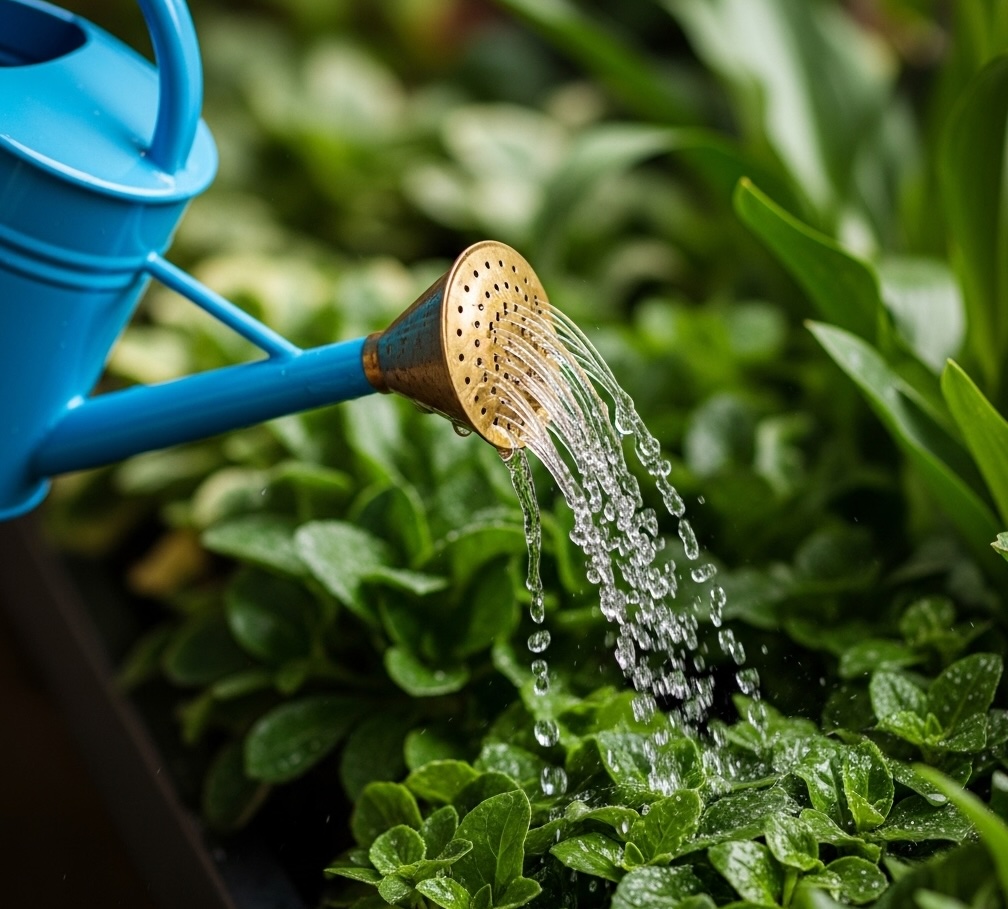
Watering is often the trickiest part of Hoya care. Their roots, designed for quick moisture absorption and efficient drying in nature, demand a precise approach.
The “Weight Test” Method
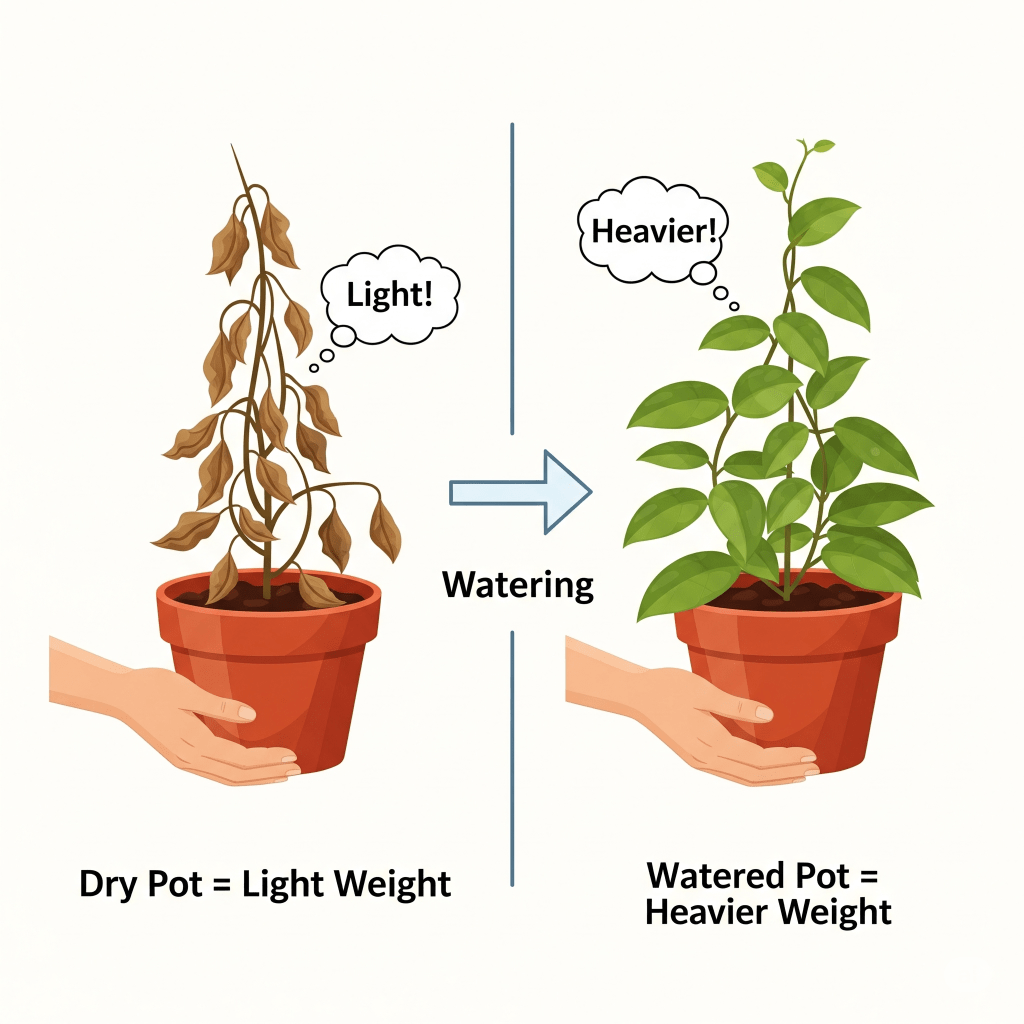
- Instead of checking the soil, lift your Hoya pot when it’s completely dry to get a sense of its weight.
- Water thoroughly until it drains from the bottom, then lift it again to feel the difference. You’ll notice a significant weight difference, which can be quite striking when you compare the two.
- Use this “weight” as a practical guide to gauge when it’s time to water; when the pot feels surprisingly light in your hands, it’s generally safe to assume that it needs a good drink. This method can help prevent overwatering and ensure your Hoya thrives.
Preventing Root Rot: The Importance of Drying Out
- Hoyas hate wet feet. Allowing the potting mix to dry out almost completely between waterings is essential to prevent root rot, their most common killer.
- This practice not only keeps the roots healthy but also encourages the plant to seek moisture deeper in the soil, promoting a stronger root system.
- It’s important to monitor humidity levels, especially in environments with high moisture, to ensure that the Hoya thrives rather than succumbs to excess water.
Maintaining Optimal Humidity
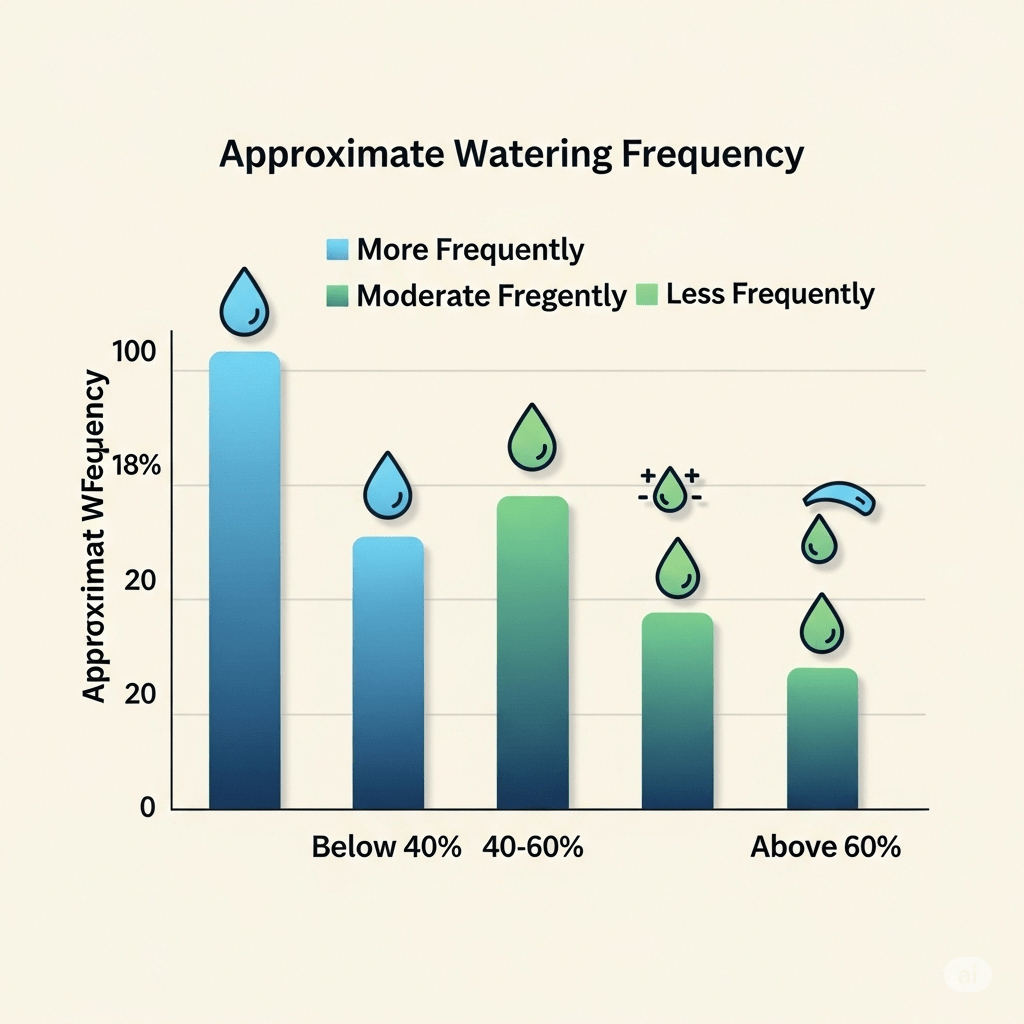
- Hoyas appreciate high humidity, especially during active growth. While misting offers temporary relief, a pebble tray (a shallow tray with pebbles and water, with the pot sitting above the water) or a humidifier provides more consistent benefits, reducing watering frequency slightly and preventing leaf crisping.
- Additionally, maintaining humidity levels above 50% can promote healthier foliage and encourage flowering, making it essential for the vibrant growth of your Hoyas. Regular monitoring of humidity with a hygrometer can help you adjust your approach, ensuring optimal conditions for these beautiful plants.
Fueling the Bloom: Fertilization Techniques for Hoyas
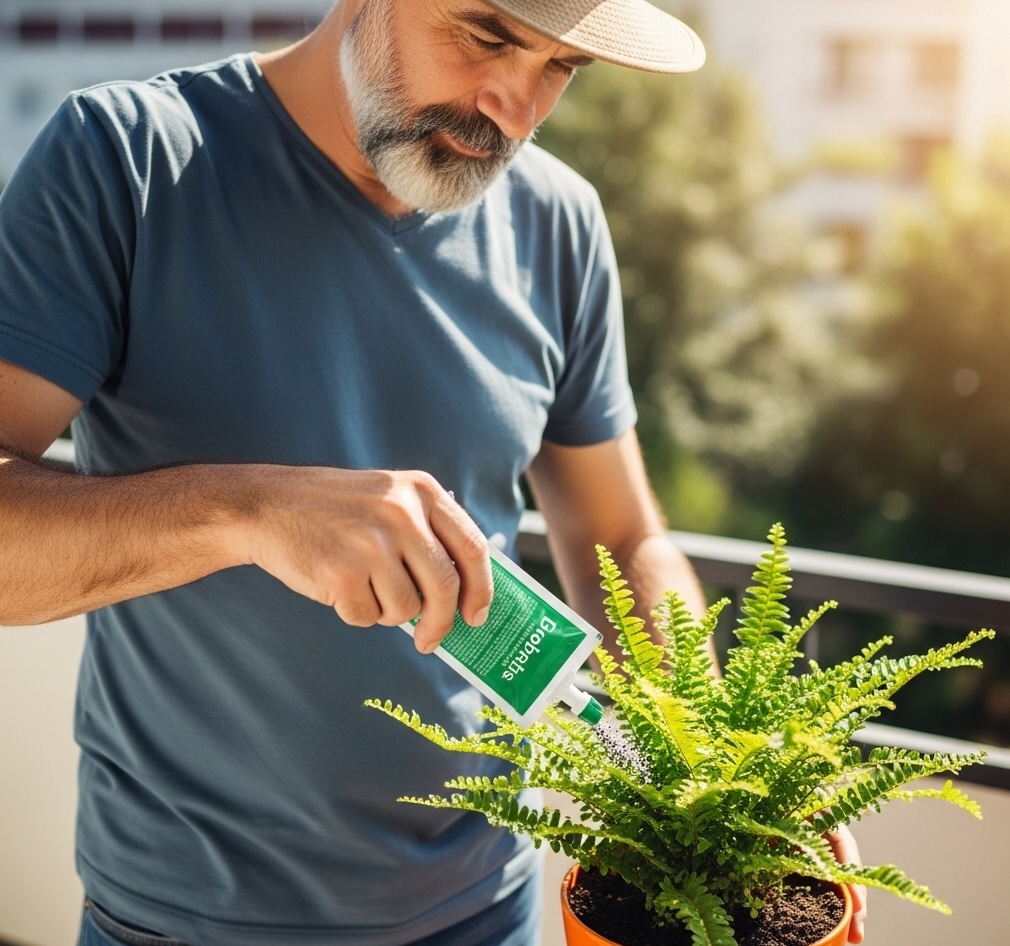
Like all living things, Hoyas need nutrients to grow and bloom, but their needs are specific, and over-fertilizing can be detrimental.
- During Growing Season: Use a balanced liquid fertilizer (e.g., 20-20-20 or similar) at half strength every 2-4 weeks during their active growing season (typically spring and summer).
- Encouraging Blooms: When your Hoya is actively putting out new growth or developing peduncles (flower spurs), consider switching to a bloom-boosting fertilizer with a slightly higher phosphorus content (the middle number in the NPK ratio, e.g., 10-30-20).
- Flush Regularly: Every few months, flush the pot with plain water to prevent harmful salt buildup from fertilizers.
- Don’t Fertilize Dormant Plants: If your Hoya enters a dormant period (often in winter when growth slows), reduce or stop fertilizing to avoid stressing it.
Repotting for Optimal Health (or Not!)
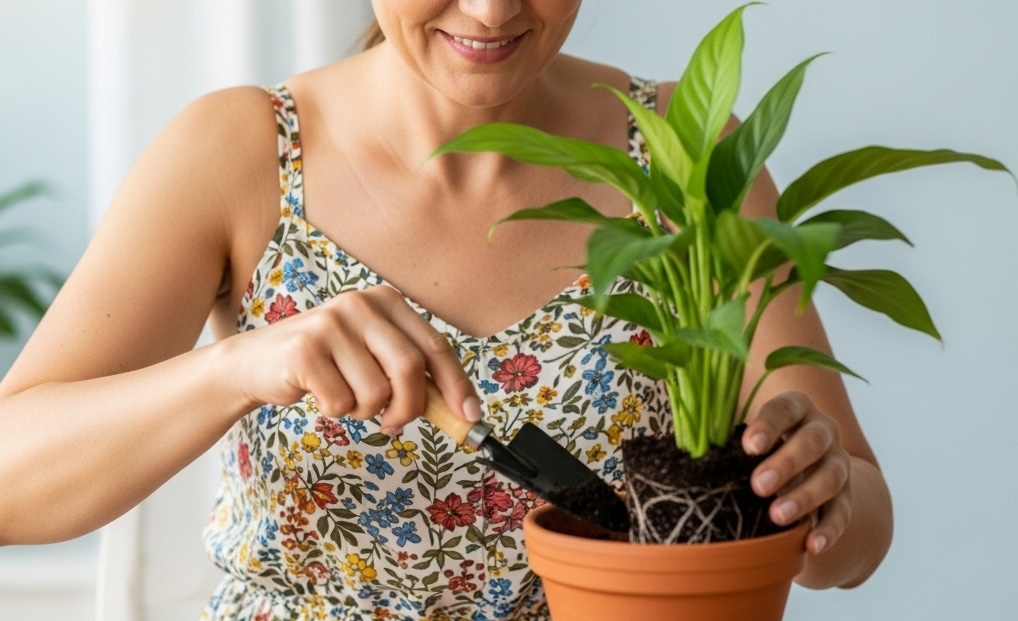
Unlike many houseplants, Hoyas don’t necessarily need larger pots as they grow. Their roots prefer to be snug.
The “Pot-Bound” Advantage
- This is a crucial advanced tip! Hoyas generally prefer tight roots and often bloom best when their root ball fills the pot, benefiting from the slight stress of being pot-bound.
- Don’t rush to repot, as doing so too early can disrupt their growth rhythm and lead to a decrease in flowering. Instead, observe their growth and wait until they truly outgrow their container before making a change, ensuring they thrive in their current environment for as long as possible.
Signs It’s Time to Repot
- Only repot when absolutely necessary – if the plant is severely root-bound and showing stress (like stunted growth despite good care), or if the potting mix has completely degraded and is no longer draining well.
- Additionally, consider repotting during the growing season, typically in spring or early summer, to minimize shock to the plant.
- It is also beneficial to choose a container that is only slightly larger than the current one to ensure the roots have adequate space to expand while not overwhelming the plant with excess soil.
Choosing the Right Pot Size
- When repotting, go up only one pot size to ensure that the plant can adapt effectively without becoming overwhelmed by too much soil.
- A pot that’s too large holds excess moisture, which can lead to water retention and subsequently increase the risk of root rot, a common problem for many indoor plants that prefer well-draining conditions.
Mounting for a Natural Aesthetic
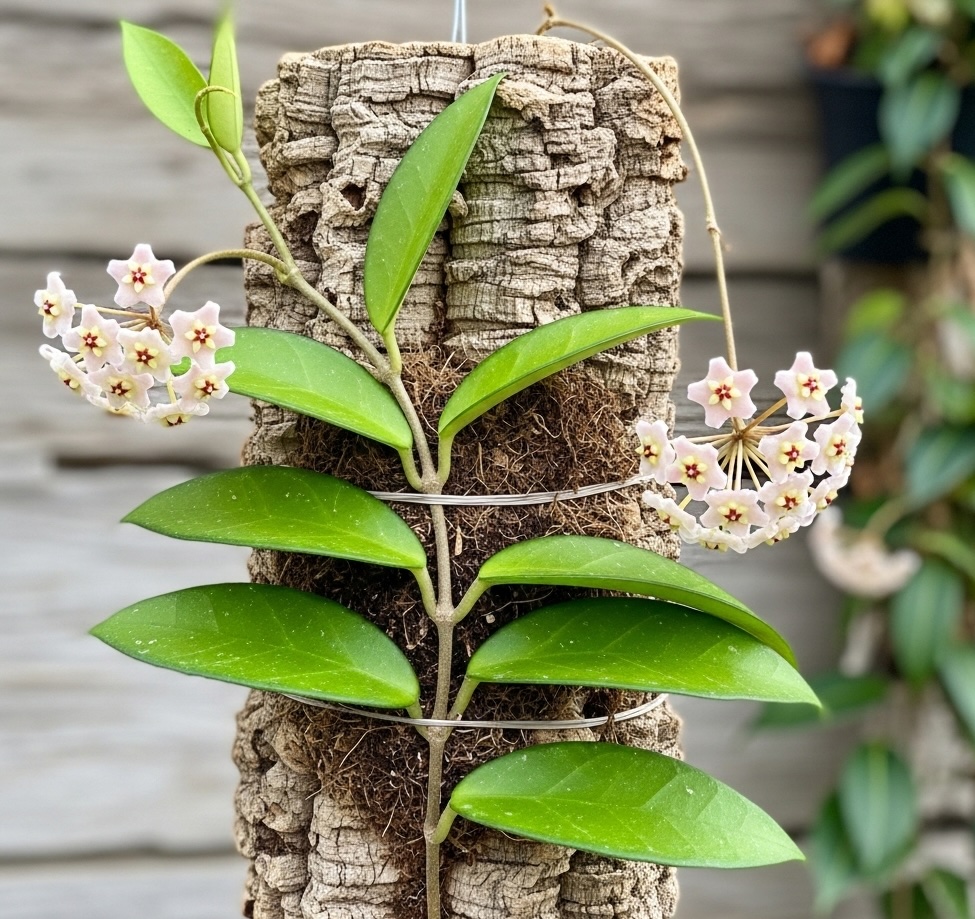
- For a truly advanced approach, mount your Hoyas! This mimics their natural growth habit and can lead to incredibly happy, thriving plants.
- Use cork bark, driftwood, or tree fern plaques, securing the plant with fishing line or floral wire and packing sphagnum moss around the roots initially to ensure moisture retention.
- Mounted plants, while offering a beautiful aesthetic, will need more frequent and careful watering to maintain their health and vibrancy, especially in drier conditions or in a low-humidity environment.
Encouraging Those Elusive Blooms
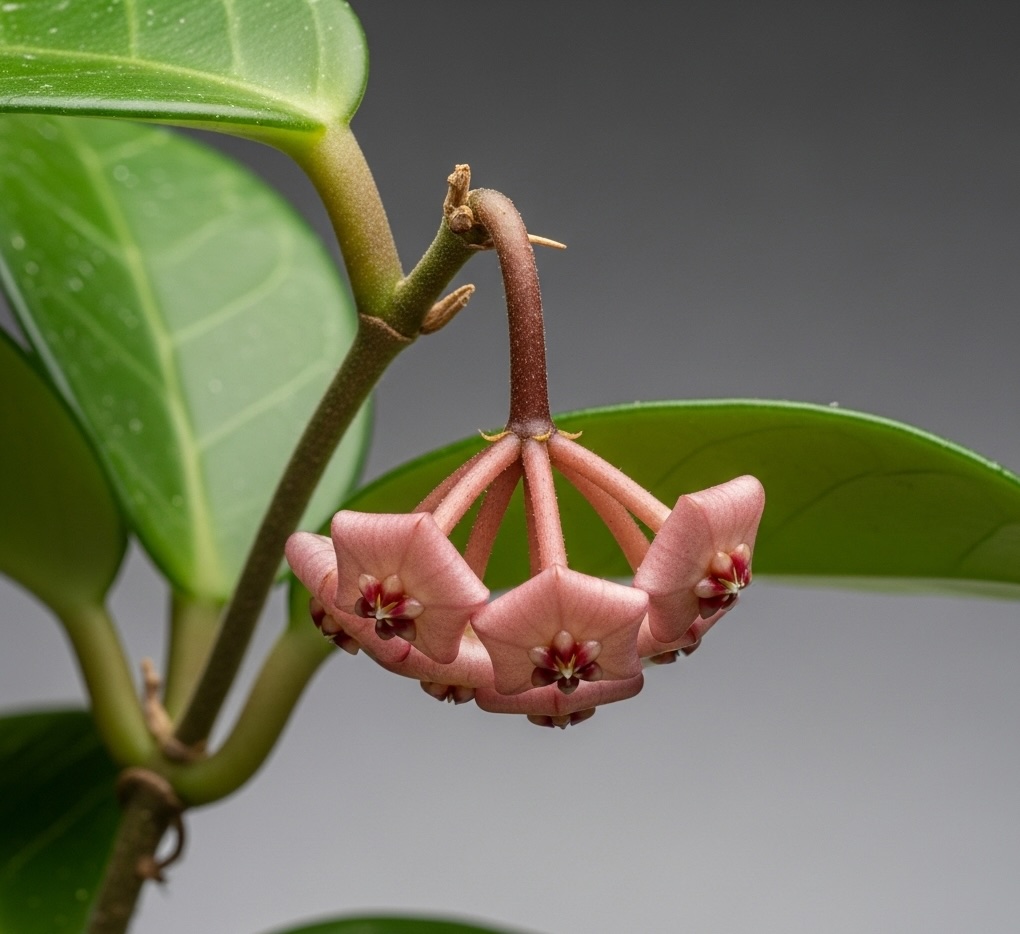
The ultimate reward for advanced Hoya care is often a profusion of flowers.
- Patience is a Virtue: Some Hoyas are notoriously slow to bloom, especially when young. They require time to acclimate to their environment and may not show signs of growth immediately. Provide consistent care, including proper watering, adequate sunlight, and the right conditions, and they’ll eventually reward you with beautiful flowers that make the wait worthwhile.
- Light is Paramount: Hoyas need ample bright, indirect light to bloom at their best and produce beautiful flowers. A grow light can be incredibly beneficial, especially in darker months when natural sunlight is limited. Providing an hour or two of gentle direct morning sun can help some varieties thrive and encourage blooming, but it’s important to avoid harsh afternoon sun that can scorch leaves and damage the plant. Consistent light conditions will support healthy growth and maximize flowering potential.
- Don’t Cut Hoya Peduncles! Once a Hoya produces a flower spur, do not cut it off after the blooms fade! Hoyas rebloom from the same peduncle year after year. Removing it will significantly delay or prevent future blooms. This means that the care you provide your Hoya, especially in terms of allowing these spurs to remain intact, will greatly influence the plant’s ability to deliver beautiful flowers in subsequent seasons. Keeping the peduncles intact is crucial for nurturing the growth and the overall health of your Hoya plant, allowing it to thrive and flourish, bringing you joy with its striking floral displays time after time.
Summary & Key Takeaways:
- Precision Watering is Crucial: Use the “weight test” to avoid overwatering, and always allow the potting mix to dry out almost completely between waterings to prevent root rot.
- Humidity Matters: Provide consistent humidity through pebble trays or humidifiers for healthier growth and reduced watering frequency.
- Strategic Fertilization: Fertilize at half strength during the growing season, using a bloom-boosting formula for flowering, and remember to flush regularly to prevent salt buildup. Avoid fertilizing dormant plants.
- Embrace Being Pot-Bound: Hoyas prefer tight roots and bloom best when snug in their pots. Repot only when absolutely necessary and go up just one pot size.
- Light Fuels Blooms: Provide ample bright, indirect light, supplementing with grow lights if needed. Gentle morning sun can also encourage flowering.
- Preserve Peduncles: Never cut off Hoya flower spurs (peduncles) as the plant will rebloom from them year after year.
Taking your Hoya care to the next level is a rewarding journey. By understanding their unique epiphytic nature and fine-tuning your watering, fertilization, and environmental conditions, you’ll be well on your way to enjoying healthier plants and more spectacular blooms.
What’s one advanced care tip you’ve successfully implemented with your Hoyas that has made a noticeable difference? Are there any specific Hoya varieties you’ve found particularly responsive to certain advanced care techniques? Share your insights and help other Hoya enthusiasts!
 The Wax & The Bloom
Leave a comment